How To Give a Builder-Grade Deck More Personality
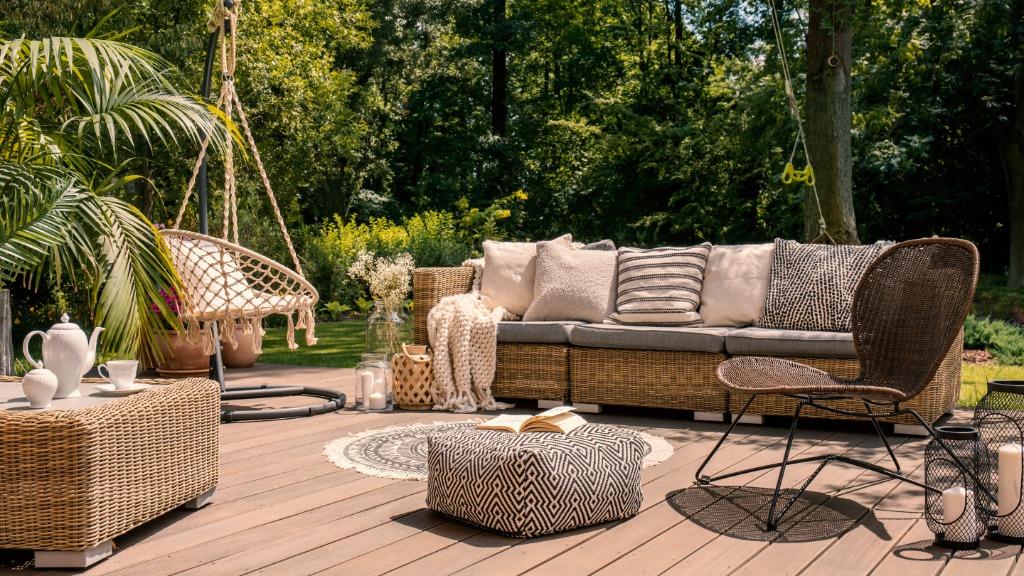
A builder-grade deck gets the job done, providing a place to step outside, set up a few chairs, and enjoy some fresh air. What it often lacks is the character that makes an outdoor space feel like a true extension of the home.
A deck can be especially valuable for homeowners along the Mississippi Gulf Coast. Mild stretches of weather make outdoor spaces useful for everything from morning coffee to family cookouts. At the same time, strong sun, humidity, rain, and salty coastal air mean decorative upgrades need to be chosen with the local climate in mind.
Fortunately, adding personality doesn’t necessarily require tearing out a perfectly functional deck. If the existing structure is sound, targeted improvements can change how the entire space looks and functions. Here’s how to give a builder-grade deck more personality without starting over completely.
Start With a Clear Style Direction
Before making any upgrades, decide how you want the space to feel. A Gulf Coast deck might take inspiration from breezy coastal interiors, traditional Southern porches, modern outdoor lounges, or colorful garden spaces.
You don’t need a rigid design plan—simply choosing a few recurring materials, colors, or textures can make a major difference. For example, pairing natural wood tones with white, navy, and woven textures creates a different atmosphere than black metal, neutral upholstery, and clean geometric lines. Having a direction also makes it easier to decide which original deck features can stay and which ones deserve updates.
Rethink the Railing
Railings occupy a surprising amount of visual space. Standard wood pickets may make an otherwise attractive area look heavier or more closed off. Changing the railing can have an outsized effect on the deck’s appearance; cable, metal, wood, and mixed-material systems each create a distinct style. Homeowners working with limited square footage may be particularly interested in railing solutions for small or compact spaces, since sightlines can influence how open a smaller outdoor area feels.
Whatever material you choose, remember that railings are safety features first. Verify that any changes you’re planning on making will comply with applicable building codes, and consider professional installation if you’re modifying structural or safety-related components.
Along the coast, material durability also matters. Fasteners, hardware, and railing components should be suitable for the conditions they’ll face, including moisture and corrosive salt air.
Define Different Zones
Even a relatively small deck can serve more than one purpose. Creating distinct zones makes the space feel intentional rather than like a platform with furniture scattered across it.
Start by thinking about what you actually do outside. If meals are a priority, dedicate enough room to a dining table and comfortable circulation around the chairs. If you mostly use the deck to relax, a pair of deep chairs and a small table may deserve a prime location. Larger decks might include separate spaces for dining, lounging, grilling, and container gardening.
Outdoor rugs and furniture placement can visually define these areas without requiring permanent construction. Turning chairs toward one another creates a conversation area, while a bench along the perimeter can add seating without dominating the center of the deck.
Upgrade the Lighting in Layers
A single glaring fixture beside the back door may provide illumination, but it rarely creates much atmosphere. Layered lighting can make a basic deck feel dramatically more inviting after sunset. Start with practical lighting for stairs, entrances, and cooking areas; then, add softer sources for ambience.mDepending on the space, options could include string lights, wall-mounted fixtures, post-cap lights, or subtle lights along steps and railings. Portable outdoor lanterns can add another layer without requiring electrical work.
Resist the urge to make the deck as bright as an indoor room. Lower, warmer illumination can make an outdoor gathering area more comfortable while providing enough visibility to move around safely.
Bring in Plants
Adding plants is one of the simplest ways to soften all the straight lines you’ll find on a standard deck. Instead of lining up identical pots against the railing, vary their sizes and heights. A tall container can anchor a corner, while medium planters add color around seating areas. Smaller pots work well on tables or plant stands, and hanging baskets can draw attention upward.
Choose plants according to the actual conditions on your deck—a space that receives intense afternoon sun requires different varieties than a shaded deck. Gulf Coast homeowners should also consider heat, humidity, rainfall, and how frequently they realistically want to water containers during hot weather.
Planters themselves can contribute to the design. Repeating a material or color across several containers helps the arrangement look deliberate even when the plants vary.
Add Architectural Interest Overhead
Depending on your house, your budget, and local requirements, you might consider a pergola, a shade structure, a covered section, or even a large outdoor umbrella to add some visual definition to the space. The shade that these options provide is particularly useful during Mississippi’s hotter months, when an exposed deck can become uncomfortable in direct afternoon sun.
Before attaching anything to the home or deck structure, determine whether permits, engineering considerations, or professional installation are necessary. Wind exposure should also factor into any decisions about umbrellas or other overhead features.
Use Textiles for Easy Seasonal Changes
Hard surfaces dominate most decks, so adding textiles is an easy way to introduce softness, pattern, and color. Outdoor cushions, rugs, pillows, and table linens can transform plain furniture without requiring a large investment or permanent commitment. They also allow homeowners to change their decks’ appearance over time.
For a subtle coastal look, you might use sandy neutrals, blues, and greens or understated stripes rather than filling the space with literal nautical decorations. Homeowners who prefer more color can use coral, yellow, or tropical-inspired patterns as accents.
The most effective deck makeover isn’t necessarily the most elaborate one—it’s the one that makes the space better suited to your everyday life. When you’re deciding how to give a builder-grade deck more personality, focus less on disguising its ordinary beginnings and more on making thoughtful choices. Updated railings, purposeful zones, layered lighting, plants, and shade can gradually turn a standard deck into an outdoor space that feels connected to both your home and life on the Mississippi Gulf Coast.