Planning a Gulf Coast Wedding on One Income
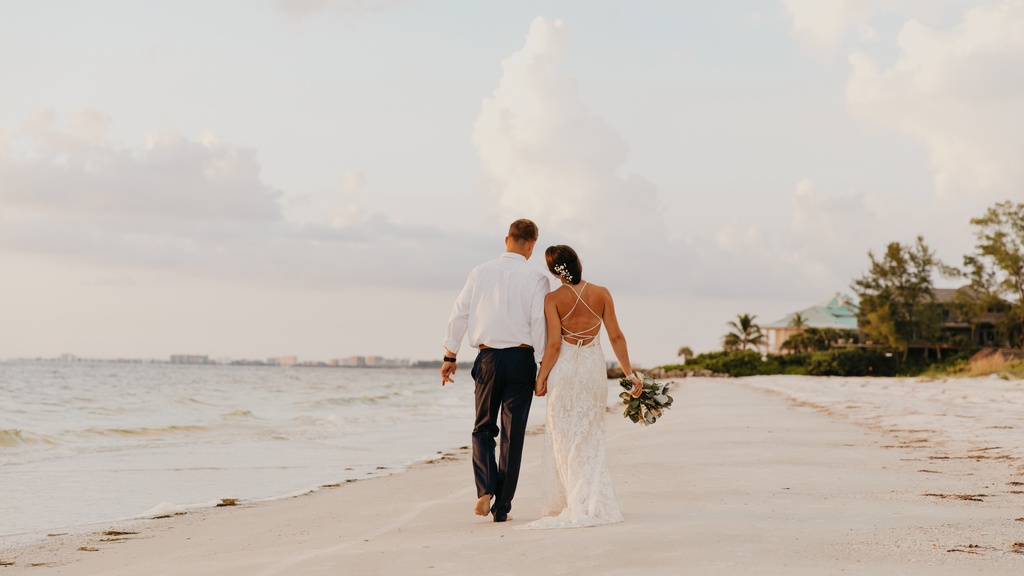
A Gulf Coast wedding can feel wonderfully personal without turning into a financial project that follows you for years. The trick is knowing where your money needs to go before deposits start leaving your account.
If you are planning a Gulf Coast wedding on one income, your budget has less room for last-minute changes. You need a plan that works with the money coming in now, not the money you hope to have later. That does not mean cutting every meaningful detail. It means deciding which parts of the day matter most, then protecting the rest of your finances while you pay for them.
Start With the Amount You Can Spend Each Month
Before you look at venues or save inspiration photos, figure out how much money you can comfortably put toward the wedding each month. Start with your regular income, then look at what already leaves your account before the wedding money goes in.
Once you know what remains, choose a monthly wedding amount that still leaves room for everyday life. Do not build the budget around your best month. Use a number you know you can repeat without stressing over every grocery trip or utility bill.
If you can comfortably put $1000 a month toward the wedding, a year’s engagement gives you a different budget than a six-month engagement. That simple math helps you make decisions before emotion starts running the show.
Pick Your Guest Count Before Your Venue
Guest count drives more of the budget than most couples expect. Every extra person affects the size of the space you need. It also affects catering costs.
On the Mississippi Gulf Coast, couples have plenty of choices, from waterfront spaces to smaller community venues. Before you tour anything, decide how many people you realistically want there.
Start with the people you truly expect to invite. Do not choose a venue for 150 guests if your comfortable budget supports 80. Once you have a working guest count, venue shopping gets easier because you can ignore spaces that do not fit your numbers.
Let the Guest List Follow Your Budget
If cutting the list feels difficult, look at relationships rather than obligation. Ask whether you regularly talk with the person. Think about whether you would invite them to dinner if a wedding were not involved. Those questions help you separate meaningful guests from names added because you feel like you should.
Choose the Date With Your Budget in Mind
The date you choose affects more than your anniversary.
Some venues charge more during popular wedding periods. Weekend dates also tend to draw more demand than less traditional options. If one income needs to cover most of the wedding, flexibility gives you an advantage.
Ask venues whether pricing changes throughout the year. Also ask whether different days of the week have different rates. Weather deserves your attention too. A Gulf Coast wedding can bring heat or storms, depending on the season. If you choose an outdoor setting, make sure the backup plan does not create another large expense.
A cheaper venue stops being a bargain if bad weather forces you to rent an entire second setup.
Protect Your Emergency Savings
Wedding money should not come from the same place as your emergency fund. If the car needs a major repair two months before the wedding, you don’t want to have to choose between fixing the car and paying the caterer.
Keep those accounts separate. Your emergency savings protect your household. The wedding fund pays for the wedding.
Before you send a large deposit, check whether you still have enough savings to handle a normal financial setback. If the answer is no, slow down wedding spending.
Decide Where You Want To Spend More
You do not need every part of the wedding to feel equally expensive. Maybe you care most about having a great photographer. Perhaps the food matters more because your family loves a good meal.
Pick a few priorities together, then let those priorities guide the budget.
You might spend more on:
- A venue that fits your guest count comfortably
- Photography you will keep for years
- Food your guests will enjoy
- Music that keeps the reception moving
- One meaningful design detail
You are not cutting corners at random. You are moving money toward the parts you actually care about.
Plan for Immigration-Related Expenses Early
Some Gulf Coast couples are planning a wedding while one partner moves to the United States. If that applies to you, the wedding budget needs to account for more than the ceremony.
Understanding K-1 visa income requirements gives you a clearer picture of the financial side of the fiancé visa process before wedding costs start competing for the same money. Keep immigration expenses separate from your wedding fund when possible.
That makes it easier to see what the wedding itself costs and what belongs to the immigration process. It also keeps you from spending money on reception extras you may need later for a required expense.
Keep the Reception Simple Where It Makes Sense
A reception does not need endless extras to feel complete. Start with the basics guests will notice first. They need somewhere comfortable to sit, and they need food. After that, look at your remaining budget before adding more.
Decor is one place where costs can climb quickly because small purchases feel harmless on their own. A few $30 decisions can add up to several hundred dollars before you realize it. Instead of buying decorations for every surface, choose one or two areas that need attention.
You can focus on the tables or put more effort into the ceremony backdrop instead. Simple usually feels more intentional when you repeat the same look throughout the space.
Keep the Wedding From Following You Home Financially
The easiest way to overspend is to treat the wedding like a deadline you have to meet at any cost. You do not.
If the numbers stop working, change the plan before you borrow money for a single day. You can trim the guest list. You can also give yourself more time to save.
Planning a Gulf Coast wedding on one income works better when the wedding fits your current financial life, not when you force your financial life to fit the wedding. Your wedding should mark the start of a new chapter. It should not leave you staring at a stack of bills the morning after.