How To Add Visual Interest to Your Backyard
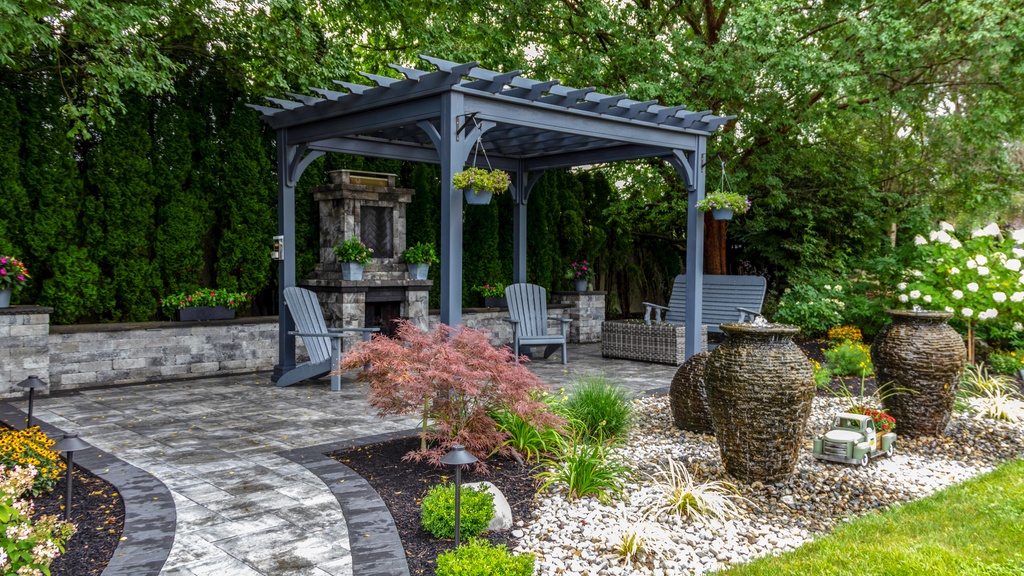
A visually appealing backyard feels welcoming before anyone takes a seat. Thoughtful design choices can turn an ordinary outdoor space into a distinctive retreat without requiring a complete renovation. Learning how to add visual interest to your backyard starts with understanding how color, texture, and proportion influence the overall appearance. You can create a more engaging setting by highlighting existing features and introducing elements that complement your home. Whether you have a compact patio or a spacious lawn, small improvements can make the entire landscape feel more intentional.
Create Defined Outdoor Areas
An open yard can feel unfinished when every section serves the same purpose. Divide the space into distinct areas using garden borders, pathways, or changes in surface materials. A stone walkway might lead from a dining patio toward a quiet seating corner, giving visitors a natural route through the landscape.
Keep each area visually connected through repeated materials or similar colors. For example, use matching pavers near the patio and around a garden bench. This consistency helps individual sections feel like parts of one cohesive design rather than unrelated additions.
Introduce Layers With Plants
Planting at different heights adds dimension to a yard that otherwise looks flat. Position taller shrubs near fences and place medium height plants in front of them. Finish the arrangement with low-growing flowers along the border to create a gradual transition toward the lawn.
Consider how each plant looks throughout the year. Evergreen varieties maintain structure during colder months, while seasonal blooms introduce changing colors. Leave enough room for mature growth so the layers remain distinct instead of blending into an overcrowded bed.
Use Color With Intention
Color draws attention and helps establish a mood in outdoor spaces. Choose a limited palette that complements your home’s exterior, then repeat those shades in flowers and furnishings. Warm colors can make a gathering area feel lively, while cooler tones encourage a calmer atmosphere.
You do not need to repaint your fence or replace your furniture to make an impact. Colorful cushions and painted planters offer affordable ways to refresh the setting. Introduce one contrasting accent near a focal point to give the eye somewhere specific to land.
Build an Inviting Focal Point
Every attractive landscape benefits from an element that naturally attracts attention. A sculptural tree, decorative arbor, or striking planter can anchor the design and establish a clear visual center. Select something that fits the yard’s scale rather than overpowering nearby features.
Position your focal point where people can appreciate it from the house or main seating area. Surround it with simpler landscaping so it remains prominent. When several features compete for attention, the overall space may feel busy instead of thoughtfully arranged.
Add Movement With Water
Water brings subtle movement into a landscape and creates an appealing contrast with stationary plants. If you are considering adding a water feature to your landscape, start by evaluating the available space and the amount of maintenance you can manage. A compact bubbling fountain can enhance a small courtyard without taking over the seating area.
Larger properties may accommodate a pond or cascading feature that becomes a central attraction. Choose a location with convenient access to electricity when necessary, and plan for cleaning and water circulation. Thoughtful placement lets the feature complement nearby planting beds while creating a relaxing atmosphere.
Experiment With Texture
Texture gives outdoor spaces depth even when the color palette stays simple. Combine broad leaves with fine ornamental grasses to create contrast within planting beds. Rough stone edging can also stand out against smooth concrete surfaces, making ordinary transitions feel more deliberate.
Pay attention to how materials interact rather than adding variety everywhere. A gravel pathway beside lush greenery creates a compelling difference in appearance. Repeating selected textures throughout the yard maintains harmony while preventing the landscape from looking too uniform.
Make Pathways More Appealing
Paths do more than connect outdoor destinations. Their shape and materials can influence how people experience the entire yard. A gently curved walkway encourages visitors to notice planting beds along the route, while a straight path emphasizes a clean architectural style.
Use stepping stones or brick pavers that coordinate with existing hardscaping. Plant low-growing greenery along the edges to soften the transition into the surrounding lawn. Keep the walking surface stable and clear so its decorative appeal never interferes with everyday use.
Highlight Features With Lighting
Outdoor lighting extends the visual appeal of your backyard after sunset. Install subtle lights along walkways to define their edges and make nighttime movement easier. Aim a carefully positioned fixture toward a favorite tree to reveal its shape against the darker surroundings.
Choose warm lighting for comfortable seating areas and avoid placing bright fixtures directly at eye level. Solar powered options can simplify installation in locations with adequate sunlight. Rather than illuminating every corner, create contrast between gently lit features and darker background areas.
Bring Vertical Surfaces Into the Design
Fences and blank walls offer opportunities to add interest without sacrificing valuable ground space. Attach a trellis and train climbing plants across it to soften a plain boundary. Hanging planters can introduce color near a patio where traditional garden beds will not fit.
Select structures that can support the expected weight of mature plants. You can also paint a garden wall in a complementary shade to create a distinctive backdrop. Vertical details help draw the eye upward, making smaller yards feel more layered and engaging.
Refresh Your Outdoor Furniture
Furniture contributes to the overall landscape just as much as planting choices. Arrange chairs to frame an attractive view instead of positioning every seat against the house. A well-placed bench beneath a tree can also turn an overlooked corner into an inviting destination.
Look for finishes that coordinate with nearby materials and withstand local weather conditions. An outdoor rug can visually define a conversation area, especially on a large patio. Keep enough space around furniture for comfortable movement so the arrangement feels welcoming rather than crowded.
Create a Backyard That Feels Complete
Understanding how to add visual interest to your backyard helps you make purposeful improvements that suit your space and personal style. Start with one area that needs attention, then build on the design using complementary colors and varied textures. Thoughtful landscaping can create a more enjoyable environment without demanding an extensive renovation. By balancing decorative details with practical needs, you can shape a backyard that looks appealing and supports the way you spend time outdoors.