5 Types of Leaks That Electronic Detection Can Find
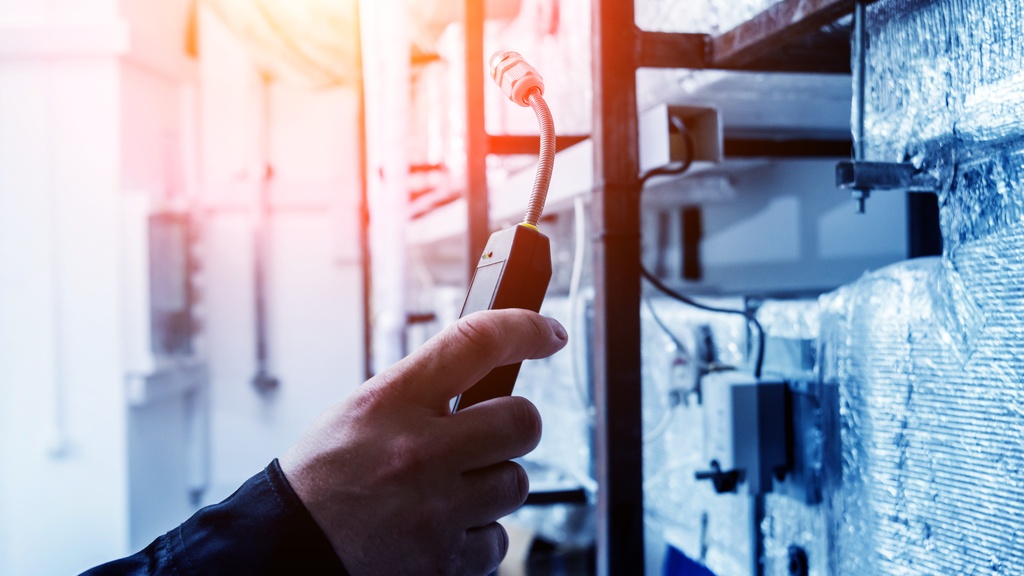
Industrial facilities along the Mississippi Gulf Coast deal with a wide range of operational challenges, and undetected leaks rank among the costliest. From oil refineries to chemical processing plants to maritime operations, a single undetected leak can disrupt production, pose safety hazards, and lead to costly repairs.
The good news is that modern leak detection technology gives facility managers a faster and more precise way to locate problems before they escalate. Here are the top five types of leaks that electronic detection can find, so Gulf Coast businesses know exactly what this technology can do for them.
1. Natural Gas Leaks
Natural gas leaks pose a danger to industrial facilities and often go unnoticed until the situation becomes critical. Gas has no color and, in many industrial applications, no detectable odor at low concentrations.
Electronic gas detectors use sensors that respond to specific gas compositions in the air, which allows technicians to pinpoint a leak location with far greater accuracy than a standard visual inspection ever could.
For facilities along the Gulf Coast operating in the oil and gas sector, electronic detection provides crews with a reliable way to monitor pipelines, storage tanks, and processing equipment on a routine basis. Catching a gas leak early keeps workers safe and prevents the kind of damage that forces a full shutdown of operations.
Many facilities now incorporate continuous monitoring systems that trigger alerts the moment gas concentrations rise above a safe threshold. This proactive approach allows facilities to respond rapidly to leaks, minimizing potential hazards and operational disruptions.
2. Underground Water and Sewer Line Leaks
Water leaks below ground are particularly difficult to locate without the right equipment. A buried pipe can lose water for weeks or even months before surface-level signs appear, and by then the surrounding soil and infrastructure have already sustained significant damage. Electronic leak detection equipment uses acoustic sensors to detect the sound frequencies produced by pressurized water escaping through a crack or joint failure.
Industrial facilities in Long Beach and throughout the Gulf Coast rely on extensive underground utility networks to keep operations running. A leak in one of those lines can undermine building foundations, compromise roadways, and waste thousands of gallons of water before anyone notices.
Electronic detection enables technicians to quickly survey large sections of underground pipes and identify the exact location of a leak without digging up the entire line. This targeted approach saves both time and money on repairs.
3. Compressed Air Leaks
Compressed air systems power much of the equipment in industrial facilities, and leaks in these systems are surprisingly common. A small leak in a compressed air line might seem minor, but it forces the compressor to work harder to maintain pressure, which drives up energy costs and accelerates equipment wear. Over time, multiple small leaks across a facility can account for a significant percentage of total energy consumption.
Electronic ultrasonic detectors detect the high-frequency sound produced by compressed air as it escapes through a leak point. Technicians can scan a facility’s air lines and connections with a handheld device and receive immediate feedback on where leaks exist.
For manufacturing operations and processing plants along the Mississippi Gulf Coast, a routine compressed air leak audit using electronic detection can deliver measurable reductions in monthly operating costs. In addition to saving energy, identifying leaks early helps extend the lifespan of compressors and related equipment.
4. Chemical and Fluid Leaks in Process Piping
Chemical processing facilities and refineries along the Gulf Coast handle a wide variety of fluids under high pressure and temperature. Leaks in process piping can range from minor drips to full-line failures, and the consequences depend heavily on the substance the pipe carries.
Electronic detection methods for chemical and fluid leaks include thermal imaging cameras, which detect temperature differences indicating fluid escaping from a pressurized line, and specialized sensors calibrated to detect specific chemical compounds. These tools allow maintenance teams to pinpoint leaks in complex piping networks without disrupting operations.
This is also where industrial electrical components crucial to safety come into play. Many modern detection systems integrate directly with a facility’s control infrastructure, triggering automatic shutoffs or sending real-time alerts to operations staff when a leak registers.
For Gulf Coast refineries and petrochemical plants, this level of integration between detection equipment and safety systems provides a critical layer of protection for workers and surrounding communities. Catching a chemical leak early reduces cleanup costs and keeps the facility in compliance with environmental regulations.
5. Refrigerant Leaks in Cooling Systems
Large-scale cooling systems serve a wide range of industrial applications along the Gulf Coast, from food processing and cold storage operations to HVAC systems in commercial and industrial buildings. Refrigerant leaks reduce the efficiency of these systems and can cause equipment to fail under the strain of maintaining proper temperatures. Refrigerants also pose environmental risks, so facilities have a regulatory obligation to detect and promptly repair leaks.
Electronic refrigerant detectors use heated diode sensors or infrared technology to identify refrigerant gases in the surrounding air. A technician can move the detector along coil lines, fittings, and valve assemblies to locate a leak without dismantling the system.
For cold storage facilities and food distribution operations in Long Beach, this targeted detection minimizes downtime and helps prevent product losses caused by a cooling system running below capacity for an extended period. Early leak identification also reduces the risk of costly emergency repairs and regulatory fines.
The Right Detection Method Keeps Gulf Coast Facilities Running
Leaks cost industrial facilities significant money and, in some cases, put their workers’ safety at serious risk. The five types of leaks that electronic detection can find are among the most common and costly issues Gulf Coast businesses face across industries.
Investing in regular leak detection inspections keeps operations efficient and gives facility managers the confidence that their systems are operating as they should. Scheduled inspections also help facilities plan maintenance activities more effectively, minimizing disruptions to production schedules. By using advanced detection tools, managers can prioritize repairs based on real-time data, ensuring resources are allocated where they are needed most.