Electric vs. Internal Combustion Engine Vehicles
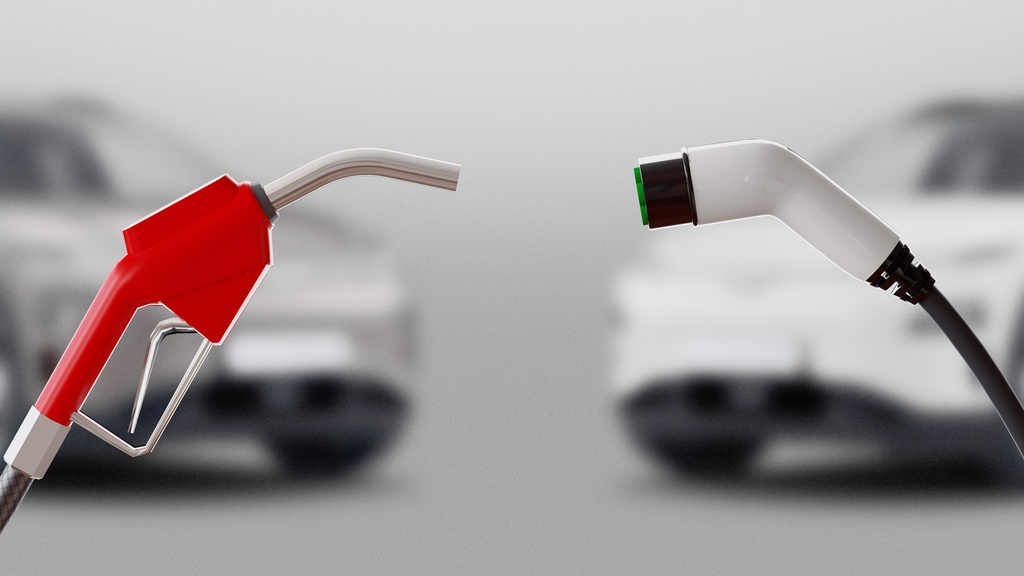
Drivers along the Mississippi Gulf Coast continue to weigh their options when buying a new car. The conversation around electric vs. internal combustion vehicles now centers on daily convenience, long-term costs, and local infrastructure. Residents in Long Beach often want practical answers that reflect how they actually drive. This guide breaks down those differences with a focus on real-world use.
How the Two Technologies Work
Gas-powered vehicles use fuel combustion to generate energy that moves the car. Engineers have refined this system over decades, and most drivers understand how it works. Electric vehicles rely on rechargeable batteries that power a motor without combustion. This design removes many mechanical components and changes how the vehicle operates.
These differences affect reliability and repair needs over time. Gas engines include hundreds of moving parts that require ongoing maintenance. Electric drivetrains use far fewer components, which reduces mechanical wear. That simplicity often leads to fewer service visits for EV owners.
Cost Considerations Over Time
Many buyers first notice the higher sticker price of electric vehicles. That upfront cost can discourage some drivers. However, electricity costs less per mile than gasoline in most cases. Maintenance also stays lower because EVs do not require oil changes or complex engine repairs.
Drivers who commute daily across the Gulf Coast often see savings over time. Those savings depend on how long they keep the vehicle and how they charge it. Buyers who plan to own a car for several years may benefit more from an EV. Others may prefer the predictable costs of a gas-powered vehicle.
Insurance and resale value also influence total cost. Some EV models retain value well due to growing demand. Insurance premiums can vary depending on repair costs and battery replacement considerations. Gas vehicles offer more predictable resale patterns, which some buyers find reassuring.
Charging vs. Refueling
Fueling a gas vehicle takes only a few minutes at widely available stations. Drivers can find gas stations throughout Long Beach and nearby areas. EV charging requires more time and some planning, especially outside urban centers. Home charging offers the most convenience for many EV owners.
This difference plays a major role in the electric vs. internal combustion vehicles decision. Drivers who take frequent long trips may prefer the speed of refueling. Those who stay local often adapt easily to overnight charging. Access to charging remains the key factor for many households.
Public charging continues to expand across Mississippi and neighboring states. Fast chargers can reduce charging time significantly, though they still require longer stops than gas stations. Planning tools and mobile apps help drivers locate available stations. These tools make EV ownership more manageable for longer trips.
Environmental Impact
Electric vehicles produce no tailpipe emissions during operation. This benefit can improve local air quality in coastal communities. Cleaner air matters in regions where weather and environment affect daily life. Many drivers see this as a strong reason to consider EVs.
Electricity sources still influence the overall environmental impact. Power plants that rely on fossil fuels reduce some of the emissions advantage. Gas vehicles release emissions directly during use, which contributes to air pollution. Each option carries trade-offs that drivers should consider carefully.
Battery production also raises environmental questions. Manufacturing lithium-ion batteries requires energy and raw materials. Recycling programs continue to develop as EV adoption grows. These efforts aim to reduce long-term environmental impact.
Safety and Emergency Considerations
Both vehicle types must meet strict safety standards before reaching the road. Gasoline fires follow patterns that emergency crews understand well. Electric vehicle fires occur less often but behave differently due to battery chemistry. These differences require specific response strategies.
Flooding also plays a role in coastal safety considerations. Saltwater exposure can damage both EVs and gas-powered vehicles. However, battery systems require careful inspection after exposure to water. Drivers in hurricane-prone areas should factor in how each vehicle type responds to extreme weather.
Driving Experience
Electric vehicles deliver quick acceleration because the motor provides instant torque. Drivers often notice the quiet ride and smooth handling right away. This experience feels different from traditional gas-powered cars. Many people find it more responsive in stop-and-go traffic.
Gas vehicles provide a familiar feel that includes engine sound and gear changes. Some drivers prefer that consistency, especially on long highway trips. Each option offers a distinct experience behind the wheel. Personal preference often plays a large role in this choice.
Noise levels also influence comfort. EVs operate quietly, which reduces cabin noise during city driving. Gas engines generate more sound, especially during acceleration. Some drivers enjoy that feedback, while others prefer a quieter ride.
Infrastructure and Local Fit
Infrastructure continues to shape vehicle decisions across the Gulf Coast. Charging stations have expanded, but availability still varies by location. Homeowners with dedicated parking spaces can install chargers more easily. Renters may face more limitations.
Local climate also affects long-term performance. Heat and humidity can influence battery efficiency over time. Gas vehicles do not face the same battery concerns but still require regular maintenance. Drivers should consider how local conditions affect each option.
Utility costs also vary by location. Electricity rates in Mississippi remain relatively stable compared to fuel price fluctuations. This stability can help EV owners predict monthly expenses more accurately. Gas prices, by contrast, can shift quickly due to market conditions.
Maintenance and Longevity
Maintenance plays a major role in long-term ownership costs. Gas-powered vehicles require routine services such as oil changes, transmission work, and exhaust system repairs. These needs increase as the vehicle ages. Repair costs can rise over time.
Electric vehicles avoid many of these requirements. They do not use engine oil or traditional transmissions. Brake systems often last longer due to regenerative braking. Battery health remains the primary long-term concern for EV owners.
Manufacturers typically offer warranties on EV batteries that last several years. Battery replacement costs remain high, but improvements in technology continue to extend lifespan. Many drivers find that reduced maintenance offsets this concern.
Which Option Makes Sense?
No single answer fits every driver in Long Beach or the surrounding region. Each household must weigh convenience, cost, and daily habits. Before making a decision, drivers should think through a few key factors.
- Budget and willingness to pay higher upfront costs
- Daily driving distance and trip frequency
- Access to reliable home or public charging
- Comfort with newer vehicle technology
These factors shape how each option performs in real life. A clear understanding of personal needs often leads to the best decision.
Looking Ahead
Automakers continue to expand electric vehicle options across different price ranges. Charging networks also grow as demand increases. At the same time, gas-powered vehicles remain widely available and easy to maintain. Both technologies will likely coexist for years.
Technology improvements continue to narrow the gap between these options. Faster charging, longer battery ranges, and better infrastructure support EV adoption. Gas vehicles also benefit from efficiency improvements and hybrid systems. These developments give drivers more flexibility than ever before.
Drivers who understand the trade-offs can make better choices for their situation. The gap between these options continues to narrow as technology improves. For now, practical considerations still guide most decisions. Gulf Coast residents benefit from staying informed as the market evolves.