The Different Types of Food-Grade Lubricants
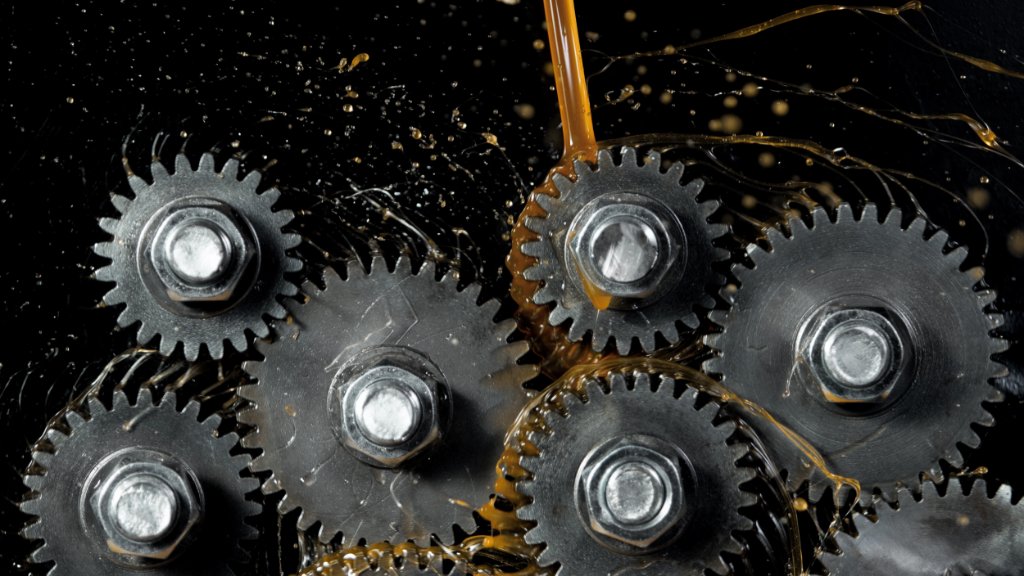
Food equipment works under heat, moisture, vibration, and constant cleaning, so the lubricant choice has to match the machine part. A slicer guide, oven chain, mixer gearbox, and hydraulic press all need different products. Understanding the different types of food-grade lubricants helps restaurant and food manufacturing teams reduce wear without guessing. The right choice protects equipment while supporting a clean maintenance program.
Why Are Food-Grade Ratings Essential?
Food-grade lubricant ratings explain where a product belongs inside a food facility. The National Sanitation Foundation (NSF) registers lubricants based on their ingredients and potential contact with food during equipment use.
NSF H1 lubricants belong near exposed ingredients, finished food, and food-contact equipment. They support incidental contact situations where a small amount of lubricant could reach the product by accident. NSF H2 lubricants belong only in areas with no food contact risk.
Placement should guide every rating choice. A lubricant near a slicer, filler, or conveyor requires an H1 rating. Clear rating choices protect equipment and support audit-ready maintenance records.
Food-Grade Oils
Food-grade oils suit bushings and small bearings. They flow into tight spaces and form a thin film between moving surfaces to decrease friction.
Viscosity controls performance. Lightweight oils suit quick movements in fine clearances, while heavy oils support slow-moving parts that endure high loads.
Oil fits parts with small channels and moving contact points. Slides and guide rods benefit from a thin film because grease might collect debris. Small gear sets in light service also use oil effectively.
Gear Oils
Food-grade gear oils are specialized oils made for enclosed gearboxes rather than general lubrication points. Standard food-grade oils suit slides or small bearings. However, gear oils serve mixers, conveyors, fillers, and processing drives to accommodate heavy loads.
Food-grade gear oils may include approved extreme pressure additives. These additives protect metal surfaces during shock loads and frequent cycling. Routine checks of oil level, color, and odor help teams catch leaks or wear before the gearbox fails.
Food-Grade Greases
Food-grade grease combines lubricating oil with a thickener that holds oil at the contact point during vibration and washdown exposure. The bearings and rollers benefit from this staying power.
Bakery mixers use grease at key bearing points. Meat processing machines rely on it near rollers and moving joints. Packaging conveyors use it in fittings that endure continuous operation.
The different types of greases contain varying consistency levels. A product with a soft consistency moves through fittings with minimal stress, while a firm grease holds its shape under immense pressure.
Temperature also affects grease selection. High-heat grease suits oven zones and heated conveyors. Low-temperature grease supports freezer doors and chilled processing rooms. Choosing a stable texture is the key to protecting parts without contaminating the food.
Food-Grade Sprays
In many working environments, teams don’t have the time to disassemble heavy machinery to reach small components. Food-grade lubricant sprays are a great solution for light lubrication and surface protection. They don’t replace bearing grease or gearbox oil; their value comes from reach and control in narrow spaces.
Quality sprays leave a clean film after the carrier evaporates. The film reduces squeaks and limits light corrosion on exposed metal. Teams must shield nearby food zones and wipe away excess product after application.
Silicone Lubricants
Rubber and plastic require silicone lubricants to prevent sticking on seals and gaskets as well as to withstand moisture during cleaning tasks. From guide rails to release points, the formula supports smooth movement without harming many common elastomers. It fits low-load areas where parts slide rather than grind.
Use silicone where parts need light lubrication or release support. A thin application works well on clean surfaces and flexible materials. Using a targeted approach will prevent the silicone from migrating onto labels or packaging surfaces.
Chain Lubricants
Oven chains need heat stability. Washdown conveyors need water resistance. Chains near flour or sugar need a product that resists buildup. The presence of chain lubricants will leave behind a durable film to prevent internal wear.
The application technique decides the lubricant’s effectiveness. Too much product traps residue and increases wear, while focusing a small amount along the pin and bushing area keeps the links moving freely and reduces drag.
Hydraulic Fluids
Hydraulic equipment uses pressurized fluid to move force through pumps, valves, cylinders, and hoses. The pressure raises lifts, moves press plates, controls dividers, and powers packaging motion. In food processing and packaging plants, the fluid supports machine movement and internal component lubrication.
Operating conditions change how hydraulic fluid behaves during production. A cold room thickens the fluid and slows machine response. A hot processing area thins fluid and reduces surface protection. The selected fluid must match the equipment’s temperature range so pressure stays steady through each shift. H1 hydraulic fluid supports food safety plans in those areas while maintaining the pressure control these machines rely on.
Compressor Oils
Food-grade compressor oils support compressors that supply air to production equipment, packaging stations, and cleaning tools. In many food facilities, compressed air moves near product zones or machine surfaces. Careful lubricant choice is necessary for the facility’s air quality program because of the exposure risk.
Compressor oil faces heat during every operating cycle. As the compressor runs, the lubricant must protect internal parts while resisting oxidation and residue buildup. Stable oil reduces varnish and carbon deposits, which can affect efficiency and shorten equipment life.
System design should guide the final product choice. Oil-flooded compressors place different demands on lubricant than oil-free systems with separate lubrication points. Maintenance teams should review compressor type, filtration, discharge location, and service schedule before choosing a food-grade compressor oil.
Dry-Film Lubricants
Choosing dry-film lubricants is essential for areas where a wet lubricant would collect dry ingredients or loose debris. After application, the carrier evaporates and leaves a low-friction coating on the surface. This makes dry films useful on slides, guides, chutes, and light-contact points in bakeries or dry packaging areas.
The main advantage is surface cleanliness. A dry film reduces sticking without leaving an oily layer that collects flour, starch, or powder. Clean surface preparation improves coating life because the film bonds better to the part.
Dry-film products suit light-duty movement; they perform on exposed surfaces that need release support or low-friction travel. Regular visual checks help crews spot worn coating before friction marks appear.
Match the Product to the Machine
Choosing among the different types of food-grade lubricants is possible when teams understand their equipment and working environment. Oils flow into fine spaces, greases stay put, sprays reach tight areas, and specialty fluids support heavy-duty systems. Evaluation your operations, and add the right product into your equipment maintenance routine.