Tips for Refreshing Your Wall Art at Home
A thoughtfully curated art collection brings personality, depth, and character into a space. However, even the most beloved pieces can start to blend into the background after years in the same location. A fresh approach to your display will breathe new life into artwork you already own and create a more engaging atmosphere throughout your home. If you’re ready for a new perspective, try out our easy tips for refreshing your wall art at home.
Rotate Pieces Between Rooms
One of the easiest ways to refresh a collection involves moving artwork from one room to another. A painting that has spent years above a dining room sideboard may take on an entirely different character in a library or primary bedroom. The artwork itself is the same, but the surrounding environment creates a new visual experience.
This approach works particularly well for collectors with multiple pieces that share a similar style or color palette. By exchanging locations, each work receives renewed attention. Guests notice pieces they may have overlooked before, and collectors gain a fresh appreciation for artwork they see every day. Room function can also influence how you look at your artwork around the house. A vibrant abstract canvas may bring energy to a living area, yet the same artwork creates a sophisticated focal point in a home office.
Reconsider Your Arrangement
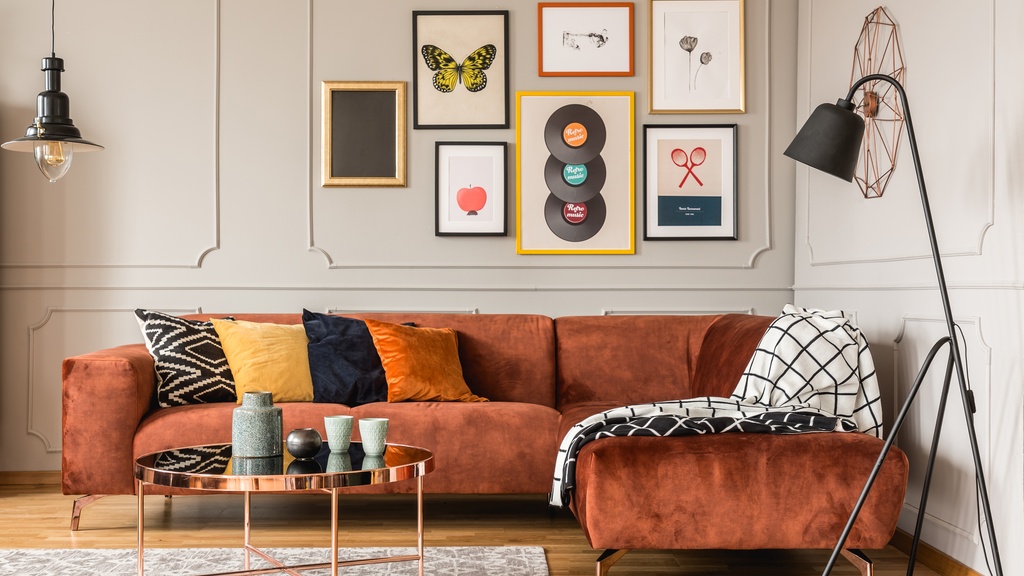
Gallery walls and grouped displays evolve over time. What felt balanced several years ago may no longer reflect your current taste or collection size. Rearranging artwork offers an opportunity to create a different rhythm throughout a space.
Try placing larger works in more prominent positions and allowing smaller pieces room to breathe. Consider the best tips for lighting large or oversized artwork so you can let each art piece shine beautifully. A collection that once relied on strict symmetry may feel more dynamic through an asymmetrical arrangement. That said, a scattered display can gain elegance through a more structured layout.
Before moving nails or hardware, place artwork on the floor and experiment with different compositions. This process allows you to evaluate spacing, scale, and visual flow before committing to a new arrangement.
Create More Breathing Room
Artwork deserves space around it. Walls crowded with furniture, decorative accessories, and adjacent pieces can diminish visual impact. Sometimes, a refresh has less to do with adding elements and more to do with removing them.
Take a step back and evaluate each display area. Consider relocating smaller decorative objects or consolidating artwork into fewer groupings. Greater separation between pieces allows viewers to appreciate individual details and artistic techniques. This approach proves particularly effective for statement works. A large canvas or striking photograph gains presence when visual competition is reduced.
Introduce Layering Techniques
Not every artwork needs to hang directly on the wall. Layering framed pieces on shelves, mantels, and consoles introduces a relaxed but sophisticated appearance. The effect feels collected rather than overly formal.
A larger piece placed toward the back can serve as an anchor, with smaller works positioned in front. Decorative objects, books, and sculptural elements add dimension and visual interest. The result creates depth and encourages the eye to move naturally through the display. This technique works especially well in transitional spaces, libraries, and living rooms where collectors want a curated atmosphere without a rigid gallery presentation.
Pay Attention to Scale
Over time, furnishings change. A wall arrangement that looked balanced around one sofa may feel undersized after a furniture update. Refreshing wall art provides an opportunity to reassess proportion throughout the room.
Artwork should relate comfortably to surrounding architectural and furnishing elements. A small piece floating above a large sectional may appear disconnected. Several smaller works grouped together can provide a stronger visual presence than a single undersized frame. Large walls benefit from thoughtful planning. Expanding a gallery wall, introducing a larger centerpiece, or combining complementary works can create a more cohesive presentation.
Revamp the Lighting
One of the best tips for refreshing your wall art at home is to take a closer look at your lighting arrangement. Even exceptional pieces can appear flat or muted under inadequate illumination. A dedicated art lighting system reveals color, texture, and detail that general room lighting may fail to showcase.
Strategic lighting brings renewed attention to pieces that have become part of the everyday background. Rich colors appear more nuanced, surface textures gain dimension, and subtle artistic details become easier to appreciate. High-quality art lighting products also support long-term preservation. Modern LED systems provide excellent color rendering with minimal heat and UV exposure, allowing collectors to enjoy their artwork under carefully controlled conditions.
Add New Context Through Color
Wall color influences artwork more than many people realize. A repaint can dramatically alter how a piece stands out without requiring any change to the artwork itself. Deep, rich tones can add drama and sophistication around traditional paintings. Lighter neutral shades create a clean backdrop that allows contemporary works to command attention.
Even subtle changes in paint color can shift the mood of an entire collection. Collectors planning a room refresh should evaluate artwork alongside paint samples rather than treating each decision independently. The relationship between art and surrounding color contributes greatly to the final presentation.
Create Seasonal Rotations
Museums routinely rotate artwork to maintain audience interest and preserve sensitive pieces. Private collections can benefit from a similar approach. Seasonal rotations provide opportunities to feature different works throughout the year. Bright landscapes and colorful abstracts may feel especially appropriate during spring and summer months.
Richer palettes and atmospheric scenes complement autumn and winter interiors. This strategy allows collectors to enjoy more of their collection without overcrowding walls. It also creates anticipation each time artwork returns to the display.
Refresh Your Home with Beautiful Results
A revamped art display does not require a major renovation or a new collection. Thoughtful adjustments to placement, arrangement, and lighting will dramatically alter how artwork feels within a space. Small changes frequently reveal qualities that have gone unnoticed for years. If you’re ready to elevate the presentation of your collection, explore techniques you can use at home right now.