Common Obstacles in Maintaining Utility Networks
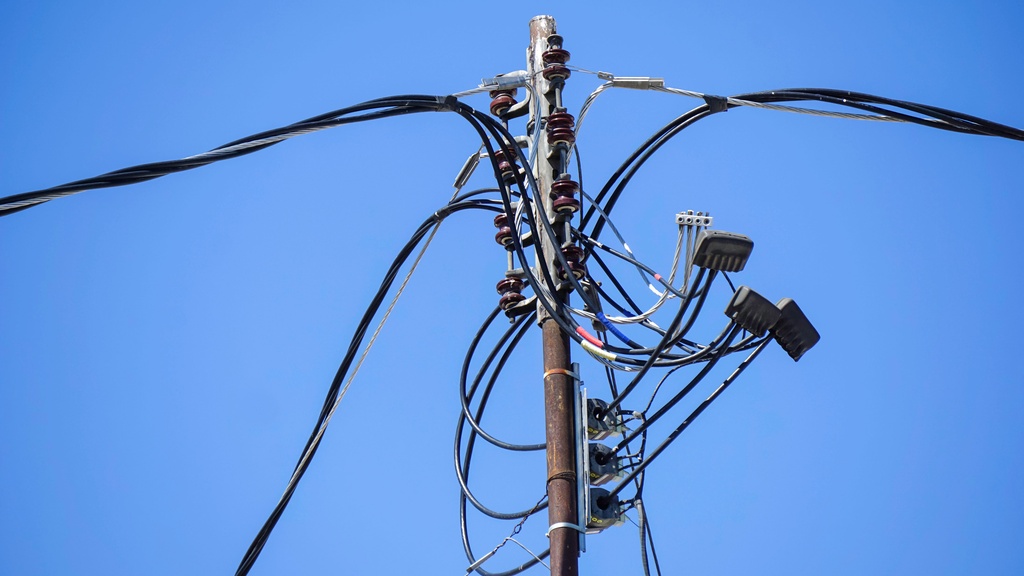
Utility networks support daily life across the Mississippi Gulf Coast. Residents depend on reliable electricity for everyday tasks, including using a computer or lighting a stove.
Coastal communities also face intense weather conditions that place constant pressure on utility infrastructure. Local utility providers must balance a variety of common obstacles to maintain reliable utility networks.
Severe Weather Creates Constant Pressure
Severe weather, such as hurricanes and heavy rain, creates serious problems for utility providers along the Gulf Coast. Strong winds damage power lines and weaken underground infrastructure throughout coastal communities.
Saltwater exposure also speeds corrosion on metal components and electrical equipment near the shoreline. Utility crews must replace damaged systems after nearly every major weather event.
Flooding creates additional complications for water and wastewater systems in low-lying areas. Heavy rainfall overwhelms drainage systems and strains treatment facilities during large storms. Standing water also slows repair work because crews cannot safely access damaged equipment in flooded zones. Local providers must prepare emergency response plans before storm season begins each year.
Aging Infrastructure Increases Repair Demands
Many utility systems across the United States rely on infrastructure that crews installed decades ago. Older pipes and substations struggle to meet modern service demands in growing communities. Worn equipment often leads to frequent outages and costly repairs. Utility providers must prioritize upgrades while continuing routine maintenance across large service areas.
Mississippi Gulf Coast communities face additional challenges because salt air accelerates wear on exposed equipment. Coastal moisture damages metal surfaces and weakens protective coatings over time. Underground pipes also suffer damage from shifting soil and repeated storm impacts near the coast. Maintenance teams must inspect infrastructure regularly to prevent larger failures from developing.
Workforce Shortages Slow Maintenance Efforts
Utility maintenance requires skilled workers who understand electrical systems and safety standards. Many providers struggle to recruit experienced technicians because fewer workers enter trade careers today.
Retiring employees also leave behind decades of technical knowledge that younger crews need to learn quickly. Utility companies must invest in training programs to build a reliable workforce for the future.
Rural areas along the Mississippi Gulf Coast often experience greater hiring difficulties than larger cities. Long travel distances and smaller populations limit the number of available workers in many service regions. Some providers also compete with private contractors and industrial employers for experienced technicians. These conditions create staffing gaps that slow repairs and delay preventative maintenance schedules.
Rising Costs Strain Local Budgets
Utility maintenance requires significant financial investment from providers and local governments. Equipment prices continue to rise because manufacturers face supply chain issues and higher production costs. Fuel expenses also increase transportation and operational costs for maintenance crews across large service territories. Many providers struggle to balance infrastructure improvements with affordable customer rates.
Smaller utility organizations often face greater financial pressure than large metropolitan systems. Many communities rely on limited tax revenue and smaller customer bases to support infrastructure projects.
The biggest challenges for rural electric cooperatives often include rising equipment costs and long maintenance routes between customers. Providers must carefully manage budgets while maintaining dependable service for residents across rural and coastal regions.
Vegetation Management Requires Ongoing Attention
Trees and vegetation frequently damage power lines and utility equipment across the Gulf Coast. Fast-growing vegetation thrives in the warm, humid climate across the Mississippi coastal counties. Tree limbs often break during storms and fall onto electrical lines, causing widespread outages and dangerous conditions. Utility providers must maintain aggressive trimming schedules to reduce these risks.
Vegetation management also creates concerns among property owners and environmental groups. Residents often dislike aggressive trimming because it changes the appearance of mature trees and landscapes. Utility providers must balance safety needs with community expectations during maintenance planning. Clear communication helps providers explain why trimming protects homes, businesses, and public safety.
Utility providers often focus on these vegetation management priorities:
- Trim trees near power lines before hurricane season begins.
- Remove dead or unstable trees near substations and poles.
- Inspect heavily wooded areas after major storms.
- Coordinate maintenance schedules with local property owners.
- Monitor vegetation growth near underground utility access points.
Expanding Communities Increase System Demands
Population growth along the Mississippi Gulf Coast continues to increase demand for utility services. New housing developments, commercial projects, and industrial facilities require additional infrastructure connections and system upgrades. Utility providers must expand capacity while maintaining service quality for existing customers. Rapid development often places immediate stress on older systems that already require repairs.
Construction activity also creates temporary disruptions for utility maintenance teams. Road projects and new developments sometimes damage underground lines or limit access to critical infrastructure. Utility providers must coordinate closely with local governments and developers during expansion projects. Strong planning reduces service interruptions and prevents costly infrastructure conflicts.
Supply Chain Problems Delay Repairs
Utility providers depend on specialized equipment and replacement parts for maintenance projects. Manufacturers sometimes struggle to deliver transformers, electrical components, pipes, and communication equipment on schedule. Global supply chain disruptions have increased wait times for critical materials in recent years. Delayed shipments can slow repair projects and extend service interruptions for customers.
Storm recovery efforts create even greater supply shortages after major hurricanes or severe weather events. Utility providers across the region often compete for the same materials during large emergency response operations. Transportation problems and fuel shortages also complicate equipment deliveries after disasters. Providers must build emergency inventories and strengthen supplier relationships before storms occur.
Emergency Response Requires Strong Coordination
Utility emergencies require fast communication between providers, government agencies, emergency responders, and residents. Storms and equipment failures can disrupt multiple utility systems simultaneously. Providers must coordinate public safety measures and repair schedules during emergency operations. Clear communication helps communities recover more quickly after service disruptions.
Mississippi Gulf Coast communities often rely on regional partnerships during large-scale emergencies. Neighboring utilities frequently share crews and technical support after hurricanes and severe storms.
Local governments also assist with public communication during restoration efforts. Strong coordination improves recovery times and helps residents stay informed throughout emergencies.
Technology Offers New Solutions for Maintenance
Many utility providers now use advanced technology to improve maintenance planning and system reliability. Smart sensors help operators detect equipment problems before major failures occur.
Drones allow crews to inspect power lines and remote infrastructure more safely and efficiently. Digital mapping systems also help maintenance teams locate underground utilities and track repair histories.
Technology cannot eliminate every maintenance obstacle, but it helps providers respond more effectively to growing challenges. Predictive maintenance systems reduce downtime by identifying equipment issues early. Automated monitoring tools also improve response times during storms and emergency situations.
Reliable Utility Networks Support Gulf Coast Communities
Reliable utility networks protect public health and daily comfort across the Mississippi Gulf Coast while avoiding basic obstacles. Residents depend on dependable service during routine conditions and severe weather emergencies throughout the year.
Utility providers face complex challenges that require long-term planning, skilled workers, modern equipment, and strong community support. Continued investment in infrastructure maintenance will help Gulf Coast communities remain resilient and prepared for future demands.