The Psychology Behind Human Behavior at Outdoor Events
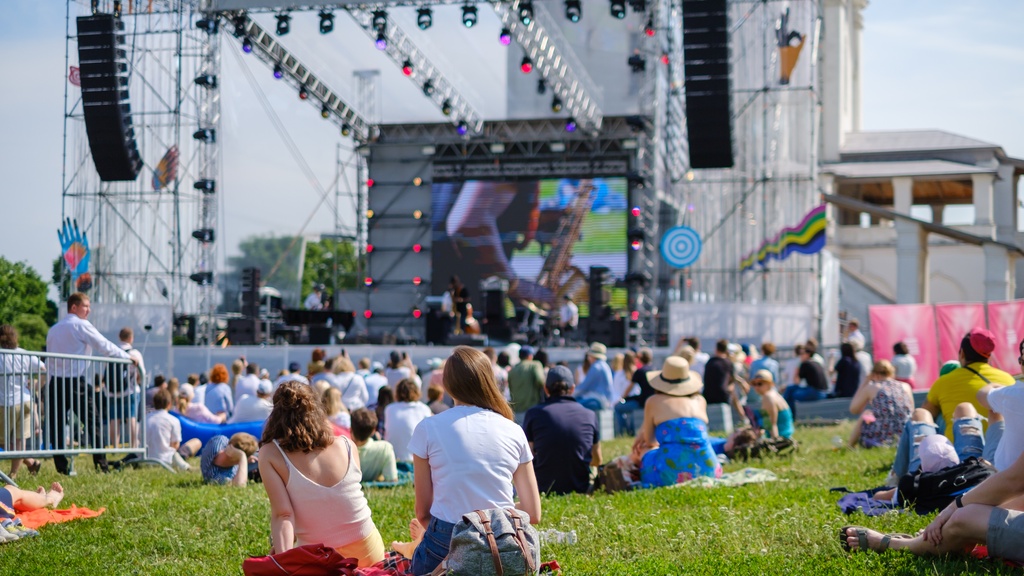
Whether you’re heading to a beachside festival on the Mississippi Gulf Coast or a neighborhood cookout down the street, something shifts the moment you step into an outdoor crowd. The psychology behind human behavior at outdoor events explores why people act the way they do in open-air settings, and understanding those patterns can genuinely change how you experience these gatherings. From the way people choose where to stand to how they respond to heat and noise, human behavior follows predictable rhythms that event organizers and attendees alike can learn from.
Why People Think and Act Differently in Crowds
Being outdoors in a large group changes how people process their surroundings. The open-air setting loosens typical social boundaries and creates a shared sense of occasion that most everyday environments don’t.
Competing sensory input and social energy trigger psychological responses that shape how attendees move and where they ultimately direct their time and attention throughout an event. For example, a sudden burst of music or laughter can draw people across a field, causing shifts in the crowd’s flow that ripple outward from the source.
The Pull of Social Belonging
Humans seek connection in group settings, and outdoor events amplify that tendency. People gravitate toward areas where crowds have already formed. Psychologists refer to this behavior as social proof: individuals look to others for cues on where to go and what to do. You’ve probably noticed this near food vendor rows, where one truck draws a long line while the booth next to it sits nearly empty. That long line signals quality, so people join it without much deliberate thought.
This pull toward belonging runs deep in human psychology. Feeling like part of a group, even briefly and among strangers, satisfies something fundamental. Event organizers who understand this dynamic can create natural gathering points that build shared energy and draw attendees toward the heart of the experience rather than letting them drift to the fringes.
How Noise and Stimulation Shape the Mood
Outdoor events deliver a significant amount of sensory input at once. Music, crowd noise, food aromas, and visual activity all compete for a person’s attention. Research in environmental psychology shows that moderate stimulation lifts mood and increases energy, while excessive stimulation pushes people toward stress and irritability.
Well-designed events feel exciting rather than chaotic because planners build breathing room between activity zones. The distance between the stage area and vendor sections gives attendees a chance to decompress without stepping away from the event atmosphere entirely. That balance helps people sustain their energy and enthusiasm across a full day of activity rather than hitting a wall by early afternoon.
For Gulf Coast events, where warmth and humidity already tax the body, the way organizers space out activity zones during the planning stage can make the difference between an atmosphere that feels lively and one that quickly becomes exhausting. Even small adjustments, like placing shaded rest areas between high-traffic attractions, can help people recover and stay engaged longer.
Comfort and Its Direct Influence on Behavior
Physical comfort shapes attendee behavior more than most event planners acknowledge. When people feel uncomfortable, their patience shortens, and their willingness to engage drops noticeably. On the Mississippi Gulf Coast, heat and access to basic facilities rank among the most important physical factors organizers need to address.
Heat, Fatigue, and the Crowd Response
Gulf Coast summers are hot, and outdoor events in warm weather pose real challenges that affect attendees’ well-being. High temperatures cause fatigue faster than most people expect, and fatigue changes how crowds behave. Hot, tired attendees grow less patient in lines and tend to leave earlier than they originally planned.
Smart event planners address this head-on. Shade structures and hydration stations spread across the event site help attendees manage their physical state from start to finish. When people feel physically comfortable, they stay longer and engage more with vendors and performers, resulting in a stronger overall impression of the event.
The psychological link between physical comfort and enjoyment is direct. An attendee who spends the afternoon battling the heat focuses on survival rather than having fun, so the event fades from their attention entirely.
The Logistics That Shape How Crowds Feel
Event logistics carry more psychological weight than you might think. Nobody wants to stand in a never-ending line just to grab a drink or find a restroom halfway across the festival grounds. Those little annoyances can turn a great day into a forgettable one. But when organizers nail the operational details, everything just works: moving through the event feels easy, and the focus stays on fun instead of frustration.
Poor flow design causes people to cluster in the wrong spots, creating bottlenecks and spreading tension across the crowd. Clear signage and well-placed amenities guide people through the event without requiring much conscious effort, and that ease of mobility keeps the overall mood positive.
Restroom access deserves particular attention. Nobody wants to wander a crowded field searching for a facility, and when attendees can’t locate one quickly, anxiety builds, and attention shifts away from the event. Portable restroom trailers address this problem effectively, but advance planning determines whether they perform when it counts.
Event coordinators need to assess power requirements for multiple restroom trailers before the setup phase begins, especially for climate-controlled or flushing units that rely on a consistent electrical connection. When coordinators lock in those details ahead of time, restroom facilities work smoothly from the moment the gates open until the last guest leaves. Everyone stays comfortable and relaxed, instead of scrambling and stressed.
Here’s a look at the top factors that affect the way people experience outdoor events:
- Shade and cooling access are distributed across the event.
- Clearly marked restroom locations within a short walking distance of main activity areas.
- Food and water options are available without excessive wait times.
- Seating areas where attendees can rest and recharge between activities.
- Visible staff or posted signage to direct movement and answer questions.
When organizers address these factors, attendees can focus on enjoying the experience rather than solving logistical problems on their own. The result is a crowd that feels cared for and an event that leaves a lasting, positive impression.
The Best Events Start By Understanding Human Nature
The psychology behind human behavior at outdoor events reveals that great gatherings succeed by design, not by chance. People respond to their physical and social environments in consistent, predictable ways, and organizers who understand those responses can build experiences that attendees genuinely look forward to visiting.
On the Mississippi Gulf Coast, where outdoor events connect communities year-round, this kind of intentional planning carries real weight. Put comfort and crowd flow first, and the human need for connection will handle the rest.