Why Fashion Cycles Tend to Repeat Every Few Decades
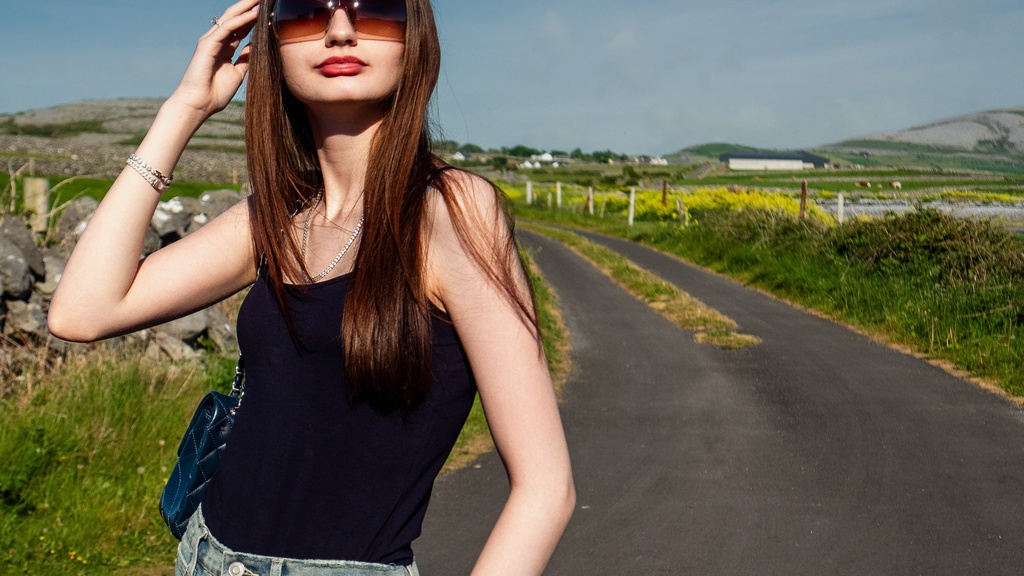
If you’ve ever spotted a pair of wide-leg jeans at the mall and had a sudden flashback to your childhood, you already understand why fashion cycles tend to repeat every few decades. Trends don’t disappear permanently. They cycle back around, often with a fresh spin that makes them feel brand new to the next generation wearing them.
Whether you follow fashion closely or just notice it from the sidelines, this pattern touches everyone. It can help you shop smarter and maybe even spot what’s coming back before it hits the racks.
The Psychology Behind Fashion’s Comeback Culture
Fashion isn’t just about clothing. It reflects how people feel and what memories they want to hold onto. The repeat cycle has roots in human psychology, and once you understand that, the pattern starts to make a lot of sense.
How Nostalgia Drives Trend Revivals
Nostalgia sits at the center of fashion’s revolving door. When people hit their 30s and 40s, they tend to gravitate toward the aesthetics that shaped their youth. Designers pick up on this and bring back silhouettes and accessories from 20 to 30 years prior. The result is a revival that feels comforting to one generation and genuinely exciting to another.
Think about the Y2K trend that swept through the early 2020s. Low-rise jeans and metallic fabrics flooded social media feeds and retail stores almost simultaneously. Millennials recognized these looks from middle school, while Gen Z discovered them as something completely new. That combination of emotional recognition and genuine novelty keeps cyclical trends commercially strong season after season.
Generational Cycles and the 20-Year Rule
Fashion historians and industry insiders often cite the “20-year rule” as a guiding principle for trend cycles. The concept is straightforward: whatever was popular roughly two decades ago tends to resurface as the next big thing. The generation that wore it the first time is now old enough to feel sentimental about it, and young shoppers haven’t seen it before.
This cycle runs deeper than a coincidence. When a generation grows up and gains purchasing power, their spending habits shape what brands produce and what retailers stock. Designers who grew up wearing something naturally incorporate those influences into their work as they rise through the industry. The result is a feedback loop that keeps fashion spinning in a very predictable direction.
Cultural Forces That Keep Trends Alive
Psychology alone doesn’t explain the full picture. Culture and the entertainment world push fashion in very specific directions, and these forces have only grown stronger in the digital age. From major streaming platforms to viral social media moments, outside influences steer the trend cycle more powerfully than most people realize.
Pop Culture and the Runway Connection
Television and film have always influenced what people wear. A beloved show set in the ’70s can single-handedly bring back earth tones and suede fringe. A pop star photographed at an airport in a vintage-inspired outfit can sell out a retro silhouette overnight.
Social media has dramatically accelerated this connection. Platforms like TikTok and Instagram give trend cycles a much faster engine. A single viral moment can introduce a decades-old style to millions of followers in just a few hours. What once took several runway seasons to reach mainstream consumers now moves in real time.
The entertainment industry also creates what some call a “costume effect.” When actors wear period-accurate clothing in popular shows or films, audiences fall in love with those styles and start hunting for modern versions. Wardrobe departments become accidental tastemakers, and fashion brands pay close attention to every major streaming release.
What This Means for Your Wardrobe Right Now
Trend cycles aren’t just a fascinating topic for fashion historians. This knowledge carries real, practical value for how you shop and what you choose to keep or donate. Gulf Coast residents who love personal style have every reason to lean into this perspective, especially with the region’s vibrant local boutique scene.
Here are a few ways this understanding can work in your favor:
- Invest in quality pieces from current revivals, as they tend to retain their appeal well beyond the trend cycle.
- Resist clearing out classic silhouettes from your closet too quickly, because they will often come back around within a decade or two.
- Shop vintage and consignment stores for authentic versions of styles currently trending across social media.
- Pay attention to what younger generations gravitate toward, since those looks often hint at what mainstream retail will pick up next season.
When picking a beaded clutch bag for someone you love, keep in mind that beaded accessories have appeared in some form across nearly every major decade of fashion history. This timeless appeal makes them a thoughtful and stylish gift that will likely remain in vogue for years to come.
Become a Smarter Shopper By Understanding Trend Cycles
The fashion cycle also gives savvy shoppers a real financial advantage. When you understand that trends come back, you start to see clothing with a much longer shelf life. A well-made blazer from the ’90s isn’t outdated. It’s likely just a few years away from being completely relevant again.
This perspective reshapes how you think about what you spend. Trend pieces are fun, but a collection built around timeless quality tends to hold its value better over time. You spend less time replacing things that fall out of style quickly and more time enjoying pieces that stay relevant across multiple cycles.
Spotting the next comeback before it hits mass retail is genuinely possible. Watch what vintage stores stock heavily. Follow runway collections from emerging designers to see what directions labels are currently exploring.
Street style in major cities consistently previews what chain retailers will carry about 18 months from now. Pay attention to these signals, and you’ll develop a real instinct for the cycle before most people catch on.
Everything Worth Wearing Finds Its Way Back
Fashion is a highly cyclical industry, and now you know exactly why fashion cycles tend to repeat every few decades. Psychology, cultural influence, generational spending power, and the speed of digital media all feed into the pattern. Once you see these forces at work, you’ll notice the cycle everywhere you look.
Your closet becomes less of a snapshot of current trends and more of a timeline with genuine staying power. Whether you’re refreshing your own style or hunting for the perfect gift for someone special, understanding this cycle gives you a real edge. Shop thoughtfully and hold onto quality pieces. Fashion will prove once again that everything worth loving tends to come back around.