Maintenance Tasks You Can’t Overlook for Your Car
Living on the Mississippi Gulf Coast gives drivers plenty to appreciate: beach roads, quick trips along Highway 90, weekend errands in Long Beach, and easy drives to nearby communities. It also gives vehicles a demanding mix of heat, humidity, salt air, heavy rain, and stop-and-go traffic. Those conditions can wear down parts faster than many drivers expect.
A good maintenance routine protects safety, keeps repair costs more predictable, and helps a car stay dependable through daily use. However, there are many aspects of regular preventative maintenance that the typical car owner overlooks. Below, we break down the crucial maintenance tasks you can’t overlook for your car.
Check Tires Before They Cost You Control
Tires connect every safety system on the vehicle to the road. Brakes, steering, suspension, traction control, and emergency handling all depend on tire condition. On Gulf Coast roads, tires also deal with heat, standing water, potholes, construction zones, and debris after storms.
Drivers should check tread depth, air pressure, sidewall condition, and wear patterns at a steady interval. Underinflated tires can run hot, reduce fuel economy, and shorten tire life. Uneven wear can point to alignment problems, worn suspension parts, or poor rotation habits. After heavy rain, good tread also helps move water away from the tire and lowers the chance of hydroplaning.
Keep Fluids Clean and at the Right Level
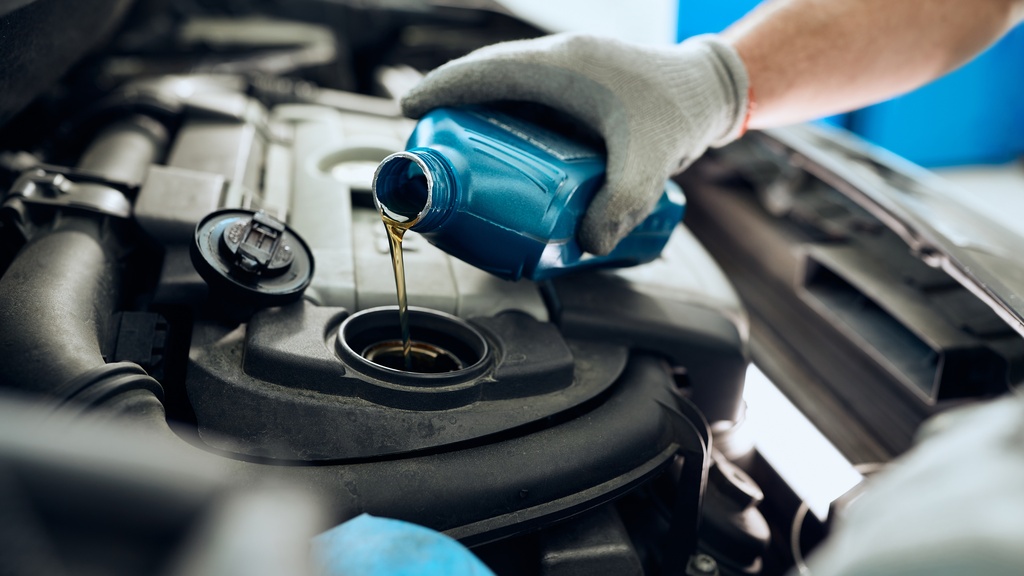
Fluids do more than keep a car moving. They cool, lubricate, clean, protect, and transfer pressure throughout the vehicle. Engine oil, coolant, brake fluid, transmission fluid, power steering fluid, windshield washer fluid, and clutch hydraulic fluid all deserve attention.
Heat and humidity can make fluid neglect more expensive. Low coolant can push an engine toward overheating. Old brake fluid can absorb moisture and weaken braking performance. Drivers should check levels, look for leaks, and follow the service schedule in the owner’s manual instead of waiting for a warning light.
Watch Brakes for Early Warning Signs
Caring for the brakes is one maintenance task that you can’t overlook for your car. A squeal, grind, pulse, pull, or longer stopping distance deserves immediate attention. Coast traffic can require repeated braking, especially near school zones, beach access roads, shopping centers, and busy intersections.
Drivers should treat brake noise as information, not background sound. Squealing can signal worn pads or glazed friction material. Grinding can mean metal-to-metal contact. A soft brake pedal can point to air, moisture, or leaks in the hydraulic system.
Inspect Belts and Hoses Before Summer Heat Peaks
Belts and hoses work under constant heat, pressure, and movement. They may look simple, but they support critical systems, including cooling, charging, air conditioning, and power steering on many vehicles. Gulf Coast temperatures can speed up cracking, swelling, and hardening.
A worn belt may squeal, fray, crack, or leave rubber dust near pulleys. A weak hose may bulge, soften, split, or seep coolant. Drivers should check these parts during routine service, especially before summer travel.
Test the Battery Before It Stands You
Many drivers think winter challenges batteries the most, but heat can damage them as well. High temperatures can speed internal corrosion, reduce battery life, and expose weakness when the car needs strong starting power.
A slow crank, dim lights, dashboard warnings, or corrosion around terminals can signal battery trouble. Drivers should keep terminals clean, make sure the battery sits securely, and test it before peak travel seasons. A battery check takes little time and can prevent a frustrating morning in a driveway, parking lot, or marina lot.
Pay Attention to the Clutch and Transmission
Manual transmission drivers should treat clutch feel as an important maintenance clue. A clutch pedal that feels soft, spongy, sticky, or inconsistent can point to hydraulic trouble. Grinding gears, difficulty shifting, or a changing engagement point can also signal wear or fluid problems.
The clutch system relies on clean movement and proper pressure. For drivers who want a closer look at inspection steps, this maintenance checklist for clutch hydraulic systems explains what to review, including pedal feel, fluid condition, leaks, hydraulic lines, and cylinder behavior.
Replace Wipers Before a Storm Reminds You
Rain can arrive quickly along the Mississippi Gulf Coast, and visibility can change within seconds. Wiper blades that chatter, streak, skip, or leave hazy patches can make a routine drive stressful. Drivers should not wait for a downpour to discover that they need to replace their blades.
Windshield care also includes washer fluid and clean glass. Salt spray, pollen, bugs, and road film can collect quickly, especially near the beach and on commuter routes. Fresh blades, full washer fluid, and clean glass help drivers see pedestrians, cyclists, lane markings, and stopped traffic more clearly.
Keep Lights and Signals Working
Headlights, brake lights, turn signals, reverse lights, and hazard lights help other drivers understand what a vehicle will do next. A burned-out bulb may seem minor, but it can create real risk during rain, fog, nighttime driving, or busy traffic.
Drivers should check exterior lights with another person or by using reflections from a garage door or storefront window. Clouded headlight lenses also deserve attention because they can reduce nighttime visibility.
Listen To Suspension and Steering Changes
Suspension and steering parts take daily punishment from rough pavement, curbs, speed bumps, and debris. A clunk, rattle, vibration, pull, or loose steering feel can signal worn components. Ignoring those signs can affect tire wear, braking stability, and vehicle control.
Drivers should notice how the vehicle feels on familiar roads. If the car drifts, bounces too much, shakes at certain speeds, or feels unstable during turns, it needs attention.
Keep the Cooling System Ready for Long, Hot Drives
A cooling system failure can turn a simple errand into an expensive repair. The radiator, thermostat, water pump, coolant, hoses, fans, and pressure cap all work together to control engine temperature. In coastal heat, that system needs to stay clean, sealed, and properly filled. Drivers should watch the temperature gauge, inspect for coolant smells or puddles, and schedule service when coolant looks rusty, oily, or contaminated.
Do Not Ignore Filters
Filters help a car breathe, burn fuel efficiently, and keep cabin air cleaner. Engine air filters, cabin air filters, oil filters, and fuel filters each support a different part of the vehicle. Dust, pollen, sand, and road grime can clog filters faster in coastal areas.
Wash Away Salt, Sand, and Road Grime
Exterior maintenance protects more than appearance. Salt air, sand, mud, bird droppings, and road film can damage paint, trim, wheels, and underbody surfaces. Vehicles that spend time near the beach, boat ramps, or low-lying roads need regular cleaning.
Build a Routine That Fits Local Driving
The best maintenance plan matches the way a driver uses the vehicle. A car that handles short trips around Long Beach faces different stress than one that commutes daily, hauls equipment, carries children to school, or spends weekends near the water.
Drivers can start with the owner’s manual, then adjust their habits around local conditions. The most important maintenance tasks protect tires, brakes, fluids, visibility, battery health, cooling, steering, and drivability. When drivers take those basics seriously, they give their vehicles a better chance to stay safe, reliable, and ready for the next trip down the Coast.