How Medical Device Lumens Affect Sterilization Validation
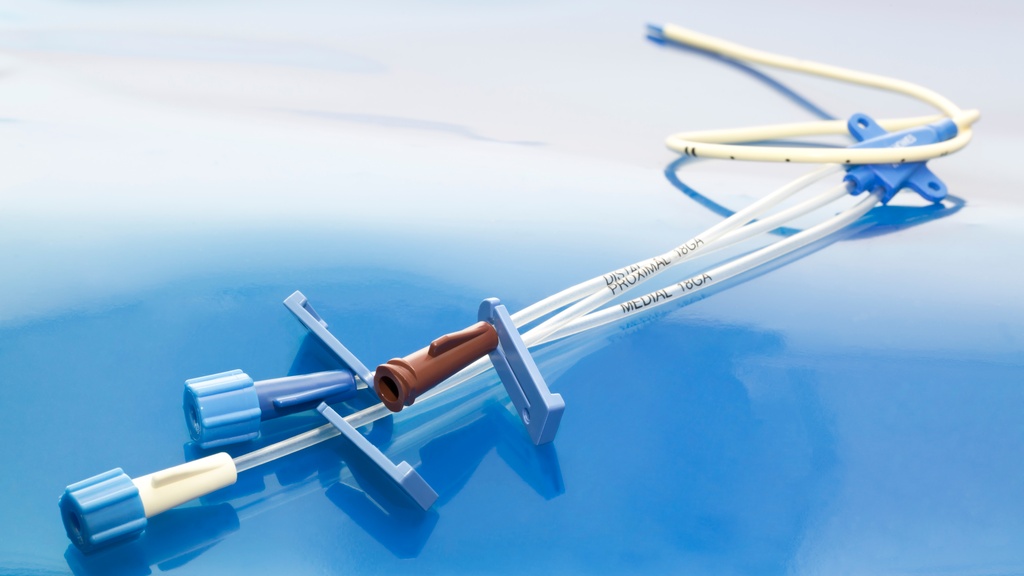
Validation testing is the documented process of confirming that a sterilization method consistently achieves the required results under defined conditions. A medical device can look simple from the outside while containing a demanding sterilization challenge within. Long or narrow channels, called lumens, create conditions that may behave very differently from the device’s exposed surfaces. Recognizing how medical device lumens affect sterilization validation allows manufacturers to build testing around the device’s genuine challenges. See how lumen design influences penetration, air removal, indicator placement, drying, and worst-case testing.
Length Delays Sterilant Penetration
A longer lumen creates a greater distance for steam or another sterilant to travel before reaching the deepest internal surfaces. Air and condensation must also move through that extended pathway without preventing adequate contact. Validation therefore needs to demonstrate that the entire channel receives the required processing conditions.
Length becomes especially important when the lumen has only one accessible end or includes connected components. Testing may require sensors, chemical indicators, or biological indicators positioned near the most difficult location. The selected configuration should represent the longest clinically relevant pathway described in the device specifications or instructions.
Diameter Restricts Sterilant Movement
A narrow internal diameter can restrict sterilant movement and make air removal more difficult. It may also slow temperature equilibration or limit gas exchange within the channel.
Even a slight change in lumen size can significantly affect sterilization performance when the device is already close to the sterilizer’s operating limits. These characteristics show why medical device lumens affect sterilization validation even when two device models appear almost identical. Testing the smallest claimed diameter establishes evidence for the most restrictive labeled configuration.
Ratios Define Combined Difficulty
Length and diameter should not always be evaluated as separate variables because their relationship can create processing challenges. A short, narrow channel may behave differently from a long channel with a wider opening. Development testing can compare different length-and-diameter combinations to determine which one makes sterilant movement most difficult. That most challenging configuration can then be used to guide formal validation and decide which devices may be grouped into the same product family.
Bends Increase Air Retention
Curves, elbows, and irregular transitions may create locations where air remains trapped, or condensate collects. These pockets can interfere with consistent sterilant contact and make internal conditions harder to predict. A straight test tube may therefore be an inadequate substitute for a curved device lumen.
Several design details should be considered when evaluating bends:
- The number of bends may increase flow resistance.
- Sharp turns may create localized air pockets.
- Diameter changes may interrupt consistent movement.
- Branches may divide the available sterilant flow.
- Vertical orientation may influence drainage and drying.
Residue Shields Internal Surfaces
Lumens may retain blood, tissue, minerals, detergents, or other residue when cleaning is incomplete. Remaining soil can shield microorganisms and interfere with the sterilization process, which is why meticulous cleaning must precede sterilization or high-level disinfection.
Validation work should connect cleaning assumptions with the sterilization challenge rather than treating the two processes as unrelated. Test devices may need simulated-use conditioning, repeated use, and representative cleaning before sterilization testing begins.
Connections Hide Challenging Locations
Valves, fittings, joints, and adapters may produce spaces that are more difficult to sterilize than the main lumen. Validation planning should identify such transitions before selecting monitoring locations. These connections can narrow the pathway or shield surfaces from direct sterilant contact.
Biological indicators are used to monitor sterilization adequacy and can support evaluation of appropriately selected challenge locations. Indicators placed only at an open lumen end may provide limited information about a protected internal connection. Positioning should instead target the location expected to receive the least favorable exposure.
Materials Alter Thermal Response
Lumen materials can affect how quickly internal surfaces heat and how they interact with moisture or chemical sterilants. Metals may transfer heat differently from polymers, while coatings can change surface behavior or material compatibility. Validation testing must use materials that match the actual device, not just a test model with the same shape and dimensions.
Material selection can also determine which sterilization methods and cycle conditions are appropriate. Heat-sensitive components may rule out certain steam parameters, while absorbent materials may influence conditioning or drying. Any representative test article should therefore match the relevant thermal and material properties of the final device.
Moisture Complicates Drying Evidence
Residual moisture can remain inside a lumen after adequate sterilant exposure. Poor drainage, low points, long channels, and absorbent components may extend the time required for drying. Validation should evaluate whether the device exits the cycle in the condition expected by its labeling and packaging configuration.
These are some of the issues a drying assessment may identify:
- Lumen orientation can support or hinder drainage.
- Trays may create low points for condensate.
- Connected tubing may retain hidden moisture.
- Packaging may slow moisture removal.
- Load density may influence drying consistency.
Wet Lumens Require Investigation
Visible or extractable moisture should be investigated rather than dismissed as a cosmetic issue. Its presence may indicate that cycle settings, device orientation, load configuration, or packaging require adjustment. Repeated observations can distinguish an isolated handling issue from a process limitation. The validation team should resolve these findings before incorporating the validated cycle into the device’s user instructions.
Geometry Determines Worst Cases
A validation study must challenge the lumen configuration that is hardest to process within the proposed product family. That worst case may involve the greatest length, smallest diameter, most complex bend pattern, or most restrictive connection. Testing the hardest configuration indicates that the sterilization process can also work for less challenging devices in the same family.
Early feasibility work can help teams determine which combination of features deserves formal testing. Well-planned steam sterilization cycle development connects challenging device features with measurable cycle parameters before final validation. This preparation reduces the risk of selecting an easy test configuration that fails to support the full range of labeled devices.
Lumens can complicate sterilization because their inner surfaces are harder for heat, steam, or other sterilants to reach. Validation testing should therefore focus on the device features that create the greatest challenge. Testing those worst-case conditions helps support the reliability of the process across the full product family. Careful lumen evaluation turns hidden design risks into clear, measurable validation requirements.