Enhancing Miner Safety When Working Underground
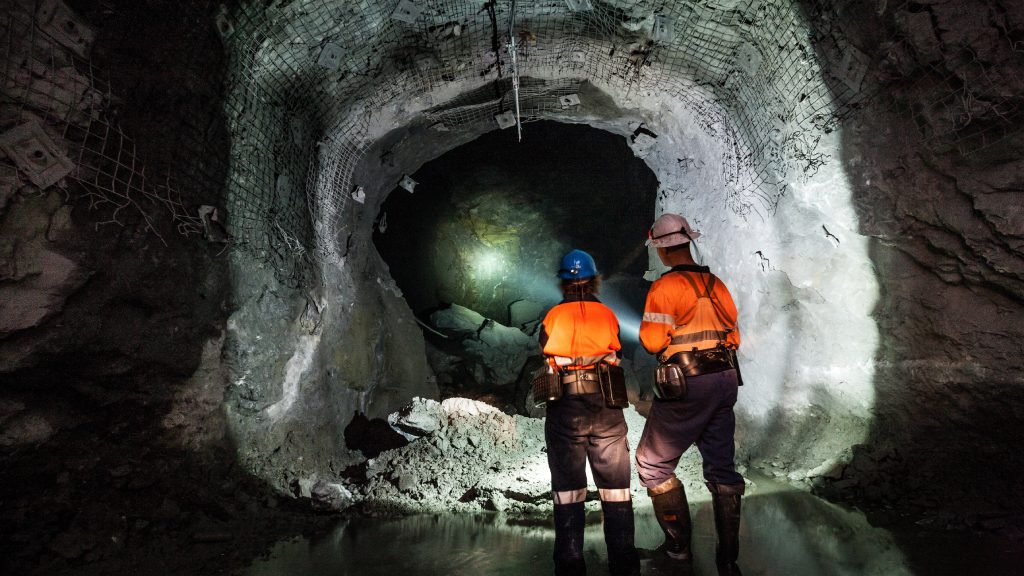
Underground mining presents serious risks that demand careful planning and clear procedures to always protect every worker. Confined spaces, limited visibility, and heavy machinery create conditions that can escalate quickly without strong awareness and proper control measures. A clear focus on safety culture helps crews reduce harm and maintain consistent performance across all underground operations.
Effective safety practices rely on training and accountability from leadership as well as workers who face hazards each shift. Teams that share knowledge and respect procedures build trust and reduce errors that often lead to injury or equipment damage. These ways to enhance miner safety when working underground will improve common practices with equipment care, hazard control, and strong teamwork.
Hazard Awareness and Risk Control
Workers must understand common underground hazards such as rock falls, poor ventilation, and equipment failure before each shift begins. Supervisors should review site conditions and update teams with clear instructions that match current risks and expected tasks. Strong hazard awareness allows crews to react quickly and apply controls that prevent accidents and reduce exposure to danger.
Regular inspections help identify unstable ground, faulty systems, and blocked escape routes before they create serious threats underground. Teams must report issues immediately and ensure corrective actions occur without delay to protect everyone in the work area. Clear documentation supports accountability and helps management track patterns that require long-term solutions.
Equipment Maintenance and Reliability
Reliable equipment reduces unexpected failures that can trap workers or cause injuries in confined underground spaces with limited exit routes. Maintenance schedules must follow strict timelines and include detailed checks of engines, brakes, and hydraulic systems under real operating conditions. Skilled technicians should address faults early to prevent escalation that may lead to costly downtime or severe incidents underground.
Operators must conduct pre-shift inspections and verify that safety systems function as intended before any equipment enters active work zones. Communication between operators and maintenance teams ensures that defects receive prompt attention and do not recur across multiple machines. Consistent maintenance practices extend equipment life and support safe operations throughout the mine.
Ventilation and Air Quality
Adequate ventilation ensures a fresh air supply and removes harmful gases that can accumulate in underground tunnels during normal operations. Systems must deliver consistent airflow to all active areas and adjust to changes in layout as excavation progresses over time. Monitoring devices should track gas levels and alert crews when conditions approach unsafe limits that require immediate action.
Workers need training to recognize symptoms of poor air quality and respond quickly to protect themselves and nearby team members. Emergency procedures must include evacuation routes and clear signals that guide workers to safe zones without confusion or delay. Effective ventilation management supports health, reduces fatigue, and maintains productivity across the entire underground environment.
Emergency Preparedness and Response
Emergency preparedness ensures that workers know how to act during incidents such as collapses or equipment failures in confined underground spaces. Response plans must include clear roles, communication channels, and evacuation procedures that guide every worker to safety under pressure. Regular drills test readiness and reveal gaps that require improvement before real emergencies occur underground.
Rescue teams need specialized training and equipment to operate effectively in hazardous conditions where time and accuracy determine outcomes. Coordination with external responders strengthens overall capability and ensures that support arrives quickly when internal resources require reinforcement. Prepared teams respond with confidence and reduce harm during unexpected events underground.
Ground Control and Stability
Ground control measures protect workers from rock falls and collapses that can occur without warning in unstable underground formations. Engineers must assess geological conditions and design support systems that match specific site characteristics and excavation methods used during operations. Continuous monitoring detects movement and allows timely reinforcement to maintain structural integrity within tunnels and work areas.
Workers must follow procedures for support installation and report any signs of instability, such as cracks or unusual sounds, immediately. Proper equipment and materials ensure that supports perform as intended and withstand the stresses present in underground environments. Effective ground control reduces risk and supports safe progress across all excavation activities.
Safe Operation of Heavy Equipment
Operators must follow strict procedures when handling heavy equipment to prevent collisions and mechanical failures in confined underground spaces. Training should emphasize control, awareness, and adherence to speed limits that match conditions within tunnels and work zones. Regular evaluation of operator performance helps identify areas for improvement and reinforces safe habits during daily tasks.
Learning about the dangers of overloading heavy equipment drivetrains will help operators understand limits and avoid strain that leads to failure. Clear load guidelines and real-time monitoring systems support safe operation and reduce stress on critical components during demanding tasks underground. Consistent adherence to limits protects equipment integrity and reduces risk for workers who operate or work near machinery.
Fatigue Management and Worker Health
Fatigue can impair judgment and reaction time, increasing the likelihood of errors that lead to accidents in underground environments. Work schedules must allow adequate rest and include breaks that help workers maintain focus during physically demanding tasks each shift. Supervisors should monitor signs of fatigue and adjust assignments to ensure that workers remain alert and capable of safe performance.
Health programs that address nutrition, hydration, and stress support overall well-being and improve resilience among underground workers. Access to medical support ensures that issues receive prompt attention and do not escalate into serious conditions that affect safety. A healthy workforce contributes to consistent performance and reduces risk across all operations.
Technology and Monitoring Systems
Advanced technology enhances safety through real-time monitoring of equipment, environmental conditions, and worker location within underground mines. Sensors and automation provide data that support informed decisions and allow early detection of hazards before they escalate into serious incidents. Integration of systems improves coordination and ensures that critical information reaches decision makers without delay.
Wearable devices can track vital signs and alert supervisors when workers face conditions that may threaten health or safety underground. Data analysis helps identify trends and supports continuous improvement efforts that address recurring risks across operations. Effective use of technology strengthens safety management and supports proactive risk control throughout the mine.
Enhancing miner safety underground requires a comprehensive approach that combines training, equipment care, communication, and strong leadership across all operations. Each element supports the others, creating a system where risks receive attention and controls remain effective under changing conditions. Organizations that commit to safety protect workers, improve performance, and build a culture that values responsibility and awareness.
Sustained effort and continuous improvement ensure that safety practices evolve with new challenges and technologies within the mining industry. Workers who understand risks and follow procedures contribute to a safer environment where incidents become less frequent and less severe. A strong safety culture benefits everyone and supports long-term success in underground mining operations.