How Coastal Air Shapes Outdoor Home Choices
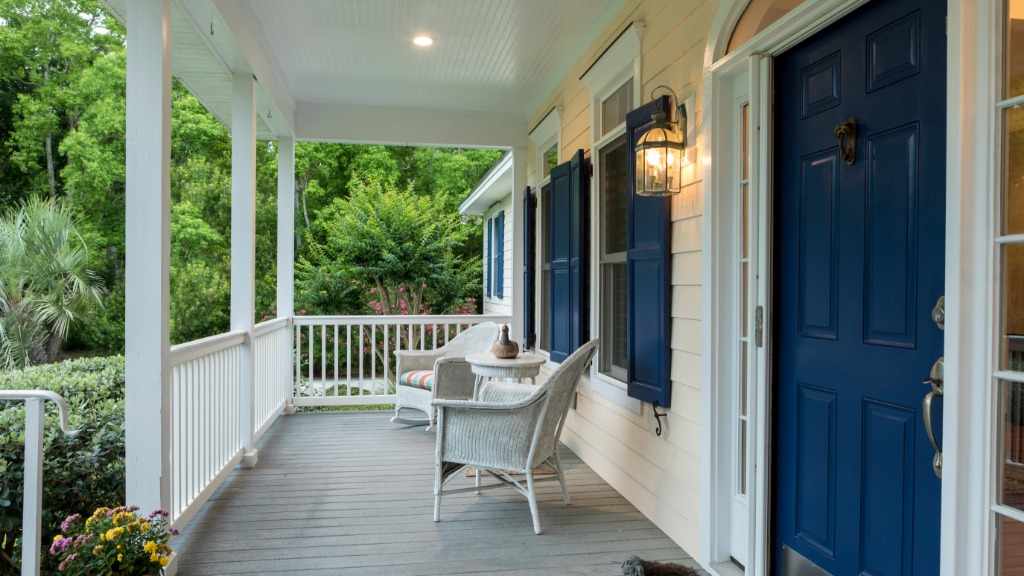
Living near the Mississippi Gulf Coast comes with daily reminders of what makes the area special. Long Beach residents get warm breezes and relaxing, shaded places to gather outside. Many homes also reflect the relaxed pace that makes coastal living feel different from life farther inland. At the same time, the same environment that makes the coast beautiful can be tough on exterior details.
Understanding how coastal air shapes outdoor home choices helps homeowners think beyond what looks good on day one. Humidity and salty air can affect hardware, finishes, and decorative fixtures. Wind and sun add their own wear over time. That damage often shows up slowly through rust spots, fading, or outdoor pieces that loosen sooner than expected.
Choosing the right materials and maintaining them well can help outdoor spaces look polished longer without requiring constant repairs. For Gulf Coast homeowners, the best exterior choices usually balance personality with durability.
Understanding How Materials Age
Coastal air carries moisture and salt that can settle on exposed surfaces. Over time, that buildup can make certain materials fade, corrode, or weaken faster than they would farther inland. A fixture that works well in a dry climate may not hold up the same way along the Gulf Coast.
This matters for more than just large home projects. Mailbox posts and gate latches face these conditions every day. Outdoor lights and decorative accents can also show rust or discoloration if they are not made for regular exposure.
For Long Beach homeowners, the goal is not to avoid outdoor details altogether. It is to choose pieces that can handle the environment. A home can still feel personal and welcoming while being practical about the materials that sit outside year-round.
Choosing Metals and Finishes Carefully
Metal details often make a home feel finished, but the type of metal matters near the coast. Standard steel can rust quickly when exposed to salty air unless it has the right protective coating. Aluminum and stainless steel are often better suited for exterior use because they are designed to resist corrosion.
The finish quality is just as important as the material underneath. A thin coating may look fine at first but wear down after months of sun, rain, and salt exposure. Once the finish breaks down, the surface underneath becomes more vulnerable.
Freestanding outdoor features deserve the same practical thinking as railings and exterior lighting; even a coastal flagpole should be chosen with the local environment in mind.
Before buying exterior pieces, homeowners should look for products made specifically for outdoor use. It also helps to check care instructions before committing. If a feature needs constant polishing or repainting, it may become more trouble than expected in a coastal environment.
Planning Beyond the First Season
Some outdoor upgrades look great when they are first installed but become frustrating after one humid summer. Coastal homeowners benefit from thinking about how each choice will age. A decorative bracket, planter, or light fixture should still look intentional after months of heat and moisture.
This does not mean every choice needs to be plain or purely functional. It means beauty and durability should work together. A simple outdoor light with a sturdy finish can often make a stronger impression than an ornate fixture that starts peeling quickly.
Long-term upkeep should be part of the decision, too. If something needs frequent maintenance, it may not be the best fit for a busy household. Homeowners can also look for product details that mention outdoor exposure or corrosion resistance. The best outdoor details are the ones that keep doing their job quietly while still adding character to the home.
Securing Features Before Weather Tests Them
Wind and rain are part of life along the Mississippi Gulf Coast, so outdoor features should be installed with stability in mind. Small details can become problems when they are loose, poorly mounted, or attached with hardware that is not meant for exterior conditions.
Homeowners can reduce headaches by checking mounting points and fasteners before rough weather arrives. This is especially important for items that stand away from the house or catch wind. A little attention before the season changes can prevent repairs later.
It is also smart to avoid placing lightweight decorative pieces where they can easily blow into walkways or vehicles. Outdoor style should never create a safety concern. The most successful exterior choices look good while staying secure.
Keeping Coastal Style Practical
Coastal style does not have to mean fragile materials or heavy nautical decor. In many cases, a home feels more connected to its setting when the design is simple and durable. Clean lines and weather-ready finishes can create a relaxed look without feeling overdone.
Long Beach homes can show personality through thoughtful details near the entry or around an outdoor seating area. A bench with a durable frame can add warmth. A sturdy planter or well-placed light can do the same without overwhelming the property.
The key is restraint. Too many small decorations can make an exterior harder to maintain, especially when salt air and storms are part of the picture. A few well-chosen pieces often have more impact than a crowded collection of items that need constant care.
Maintaining Exterior Details Over Time
Even durable outdoor features last longer with basic maintenance. Rinsing salt buildup from exposed surfaces can help reduce corrosion. After stretches of heavy humidity or rain, a quick rinse can keep residue from sitting too long on metal and painted finishes.
Seasonal inspections are especially helpful after periods of heavy rain or strong wind. A quick walk around the property can reveal loose screws or fading finishes. Some pieces may simply need cleaning before a small issue turns into a bigger repair.
Understanding how coastal air shapes outdoor choices can help homeowners protect both their style and their home’s function. The coast will always ask a little more from exterior materials, but thoughtful choices make it easier to enjoy outdoor spaces with less worry. These small decisions show how coastal air shapes home choices in everyday ways, not just during storm season. With the right balance of durability and personality, a home can feel welcoming while standing up to the conditions that make Gulf Coast living unique.