9 Home Exterior Issues You Must Address Early
Homes along the Mississippi Gulf Coast face intense sunlight, heavy rain, high humidity, salt exposure, strong winds, and persistent wildlife activity throughout the year. However, small exterior defects can exacerbate quickly under these conditions.
These can evolve from an inexpensive repair into damage that may strain your family’s budget. This makes it critical to know what home exterior issues you must address early so you can preserve your finances, along with your home’s appearance and long-term value.
Cracked or Separated Exterior Caulking
Exterior caulking seals the narrow spaces around your windows and other openings where building materials meet. Heat and moisture can cause these seals to crack or pull away from their surrounding surfaces. Once gaps appear, rainwater and humid air can reach drywall and insulation behind the visible exterior.
Fortunately, you can examine caulk lines for splits, missing sections, or edges that no longer adhere to the wall. Replacing deteriorated material early costs far less than repairing rotted trim or water-damaged framing later. Fresh exterior-grade caulk also reduces drafts and blocks small insects from entering through gaps around windows and utility lines.
Damaged Fencing
Loose boards and rusted fasteners can weaken a fence until strong winds or saturated soil cause larger sections to fail. Broken panels may also create sharp edges and escape routes for pets while reducing privacy around the property. However, you can make small repairs early to prevent the damage from spreading across adjoining posts, rails, and gates.
Inspect your fences after severe weather and look for rot, corrosion or gates that no longer close evenly. Replacing damaged hardware and reinforcing weakened posts around the fence line can extend the life of the structure. However, contractors should handle sections near utility lines or large unstable panels that could fall during removal.
Exterior Lighting Problems
Another home exterior issue you must address early is a broken light fixture. Moisture can enter cracked housings and corroded connections, increasing the risk of electrical faults during heavy rain or humid weather. Poor lighting also makes it harder for people to notice uneven pavement or other hazards after dark.
Take the time to inspect your outdoor fixtures for flickering bulbs or rust. Replacing damaged components early can prevent larger electrical problems while improving visibility around entrances and frequently used paths. A licensed electrician should examine fixtures connected to damaged wiring, recurring breaker trips, or water intrusion.
Overlong Tree Branches
When you allow tree limbs to extend above your roof, they can create openings if they fall. Additionally, leaves and twigs can also collect in roof valleys, trapping moisture against the surface and accelerating deterioration.
That makes it critical for you to shorten your branches before they can reach your roof. By doing so, you’ll also be limiting the intrusions of unwanted guests. For example, tree trimming protects your home from squirrel invasions. Don’t wait to let your branches grow too long; seek out the help of an arborist immediately and keep them nice and short.
Wood Rot Around Trim and Fascia
Wooden fascia, soffits, door frames, and window trim can absorb moisture when paint cracks or nearby gutters leak. Soft spots and crumbling edges may indicate that decay has already started. Ignoring these symptoms allows rot to spread into adjacent boards and structural framing hidden beneath the exterior finish.
Fortunately, you can gently examine suspicious wood from the ground or another safe position without cutting into the material. Contractors may replace damaged sections, correct the source of moisture, and seal exposed surfaces against future rainfall. Addressing both the decayed wood and the water source prevents repeated repairs in the same location.
Foundation Cracks and Soil Movement
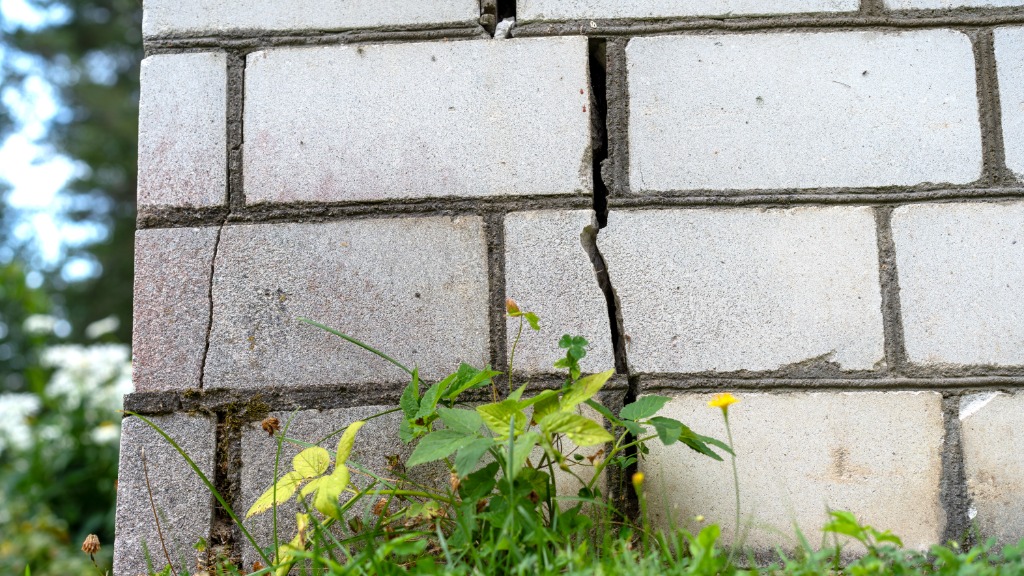
Thin surface cracks may develop as concrete cures, but widening or stair-shaped cracks can point to movement beneath the structure. Repeated cycles of heavy rainfall and dry weather can shift Gulf Coast soils and place uneven pressure on foundations. Doors that begin sticking or new wall cracks may appear alongside exterior foundation changes.
When you spot visible cracks, take photos of them and compare their width and length over time rather than relying on your memory. A foundation specialist can determine whether the issue involves causes like normal surface wear or structural stress. An early evaluation will give you more repair options before movement affects additional parts of your house.
Cracked or Loose Exterior Siding
When your home’s siding develops cracks or becomes loose, it can expose the layers beneath it to moisture and insects. Even a small opening can let rain travel behind panels, where damp materials may remain hidden for extended periods. Salt-laden coastal air can also accelerate wear on metal fasteners and certain exterior finishes.
Once a storm ends, walk around your property and inspect your siding near corners, windows, roof intersections, and utility connections. Prompt replacement of damaged panels helps prevent moisture from spreading into sheathing or interior wall cavities. Repairs should also address loose flashing or failed seals that contributed to the original damage.
Peeling or Blistering Exterior Paint
Your home’s exterior paint does more than provide its walls with color. It also shields wood and other materials from moisture and sunlight. However, peeling or blistering paint can signal age or inadequate surface preparation from an earlier project. Exposed wood also absorbs water more readily and may begin swelling or decaying during humid weather.
Before repainting, you should identify leaks or ventilation problems that may sit behind the damaged finish. Contractors can remove loose paint, repair the surface, apply a suitable primer, and use coatings designed for coastal conditions. Timely repainting supports home exterior maintenance by protecting vulnerable materials before deterioration reaches deeper layers.
Drainage Problems Near the House
Standing water beside a house places continuing pressure on your foundations, as well as your crawl spaces and exterior walls. Low areas, compacted soil, short downspouts, and poorly directed landscaping can send stormwater toward the structure instead of away from it. Persistent dampness also creates favorable conditions for termites and mold.
You can avoid this by observing how water moves across your yard during moderate rainfall rather than waiting for a major storm. Soil grading, downspout extensions, drains, or carefully placed swales can redirect runoff toward a safer discharge area. Any drainage improvement should avoid sending water onto a neighboring property or public sidewalk.
Exterior problems rarely remain limited to the first damaged board or seal. Routine inspections after storms and seasonal weather changes allow Gulf Coast homeowners to address defects before moisture, pests, and structural wear spread into hidden areas. Early action can help you protect your house, reduce repair costs, and help your family prepare your property for the region’s demanding climate.