How To Make Airport Travel Easier With Kids
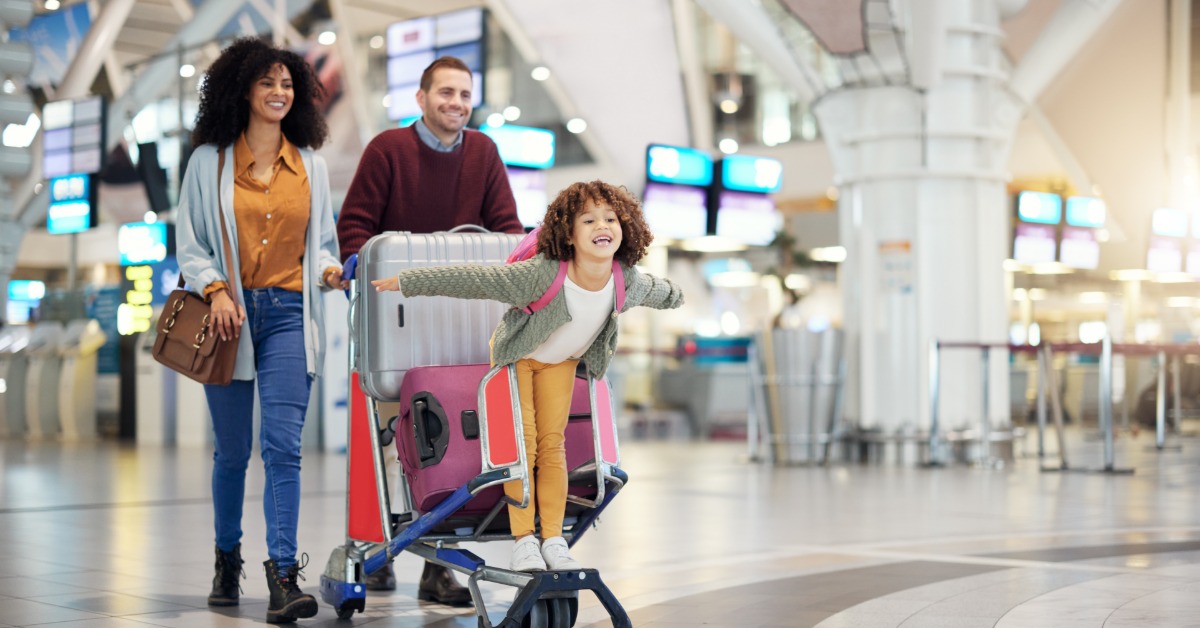
Airport travel with children can test even the most patient parent. Long lines and tight schedules can make a simple flight feel like a full-day event. Kids also experience airports differently from adults. A short delay may feel endless to a tired child.
A little preparation can make the day more manageable. You don’t need a complicated system or a suitcase full of backup plans. You need reliable habits that help your family move through each stage calmly. When you plan around your child’s needs and your energy, the trip can feel calmer from curbside drop-off to boarding. These tips will help make airport travel with kids easier.
Choose Flights With Family Timing in Mind
The cheapest flight doesn’t always offer the easiest experience for families. Consider your child’s normal sleep schedule before you book. An early departure may work for a child who wakes up ready to go, while a late flight may pose problems for a child who struggles when bedtime shifts.
Check connection times if your trip includes a layover. A short connection can create pressure when you need extra time to reach another gate. A slightly longer layover gives families room to move without rushing.
Avoid building your schedule around perfect timing. Children move at their own pace, and airports can change plans quickly. Give yourself breathing room so one slow moment doesn’t derail the rest of the day.
Pack for the Airport
Parents often focus on what the family needs after arrival, but the airport deserves its own packing plan. Keep essential items where you can reach them without opening a large suitcase.
Pack snacks that won’t make a mess and choose options your child already likes. Bring an empty reusable water bottle to fill after security. Keep wipes or tissues in an outside pocket for quick access.
Think about comfort, too. A small sweater can help when terminals feel cold. A familiar toy can make waiting easier during delays. Smart packing can help you, as parents, reduce travel-day stress by cutting down on small problems while you’re moving.
Keep Documents in One Place
Searching several bags for identification or boarding passes adds unnecessary tension. Choose one secure pocket for every document you need at the airport.
Keep your phone easily accessible if you use digital boarding passes. If you prefer paper copies, keep them in a slim folder inside your carry-on. Know where each document is before you leave home. This habit lets you focus on your child instead of digging through bags at the counter.
Explain the Airport Before You Go
Children often handle new environments better when they know what to expect. Talk through the airport experience before travel day in language that matches your child’s age.
Explain that you’ll check bags and go through security before you wait near the gate. If your child feels nervous about security, describe the process in simple terms. Let your child know that airport employees may ask the family to place bags on a conveyor belt.
Focus on the moments that may feel unfamiliar. A little preparation can help your child approach the airport with curiosity instead of uncertainty.
Make Security Easier
Security can feel stressful because families need to follow instructions while keeping track of their belongings. You can make this step easier by organizing your bags before you reach the checkpoint.
Place items you need quick access to near the top of your carry-on. Avoid overpacking small bags, as crowded compartments make it harder to find what you need. Keep children’s belongings together so you don’t have to search through multiple pockets. Before you enter the line, remind your child to stay close and listen while you move through the checkpoint.
Build in Time for Movement
Children often struggle when travel requires long stretches of sitting. Give them opportunities to move before boarding whenever the airport allows it.
Instead of sitting at the gate for an hour, walk through the terminal. Some airports offer family areas where children can stretch their legs. A short walk can help a restless child release energy before the flight.
Use Food To Prevent Frustration
Hunger can change a child’s mood quickly during a long travel day. Don’t depend entirely on airport restaurants for meals. Lines can grow long, and your child’s preferred food may not appear on the menu.
Bring familiar snacks and offer them before your child reaches the point of frustration. Save one favorite option for a delay or a long boarding process. Check the terminal layout before travel day if you plan to eat at the airport.
Keep Entertainment Simple
Parents don’t need to pack a full activity center for the airport. A few familiar options can keep children engaged without adding much weight to your carry-on.
Choose entertainment that matches your child’s interests and attention span. A tablet with downloaded content can help during long waits. A small coloring activity works well for children who prefer hands-on play. Save one activity for the plane so your child has something different to do after boarding.
Prepare for Delays
Flight delays can disrupt meals or bedtime, but you don’t need to spend the day worrying about them. Pack enough essentials to handle extra airport time comfortably.
Keep a backup snack and necessary child care items in your carry-on. Bring charging equipment if your family depends on phones or tablets. Download entertainment before leaving home so weak airport Wi-Fi doesn’t create another problem.
When a delay happens, focus on the next immediate need. Find a comfortable place to sit or take a walk through the terminal. That approach can make the wait feel more manageable.
Board With a Clear Plan
Families often face one final rush when boarding starts. Decide in advance how you’ll handle bags and children as you move onto the plane.
Keep boarding passes ready before you enter the line. Ask older children to carry only what they can manage comfortably. Keep younger children close while you handle the larger bags.
Once you reach your seats, place essential items where you can reach them during the flight. You won’t want to open the overhead bin every time your child wants a snack or activity.
Set a Calm Tone
Children often take emotional cues from their parents. If you treat every delay or long line like a crisis, your child may start to feel anxious too.
You don’t need to pretend that travel feels easy. Speak calmly and explain what will happen next. If plans change, tell your child what you know and focus on the next step.
Give yourself some flexibility as well. A smooth airport day doesn’t require perfect behavior or perfect timing. It requires a plan that can adjust when your family’s needs change.
Make Travel Feel More Manageable
You can make airport travel with kids easier when you put in a little effort, and it doesn’t have to feel overwhelming. Thoughtful scheduling and smart packing can eliminate many of the frustrations that make parents dread travel days.
Focus on the parts of the airport experience that you can control. Give your family enough time and keep essential items within reach. Help your child understand what comes next so unfamiliar steps feel less intimidating.
The goal isn’t to create a flawless travel day. The goal is to make each stage easier to handle so your family arrives with more energy for the trip ahead.