How to Future-Proof Your Excavator for Years To Come
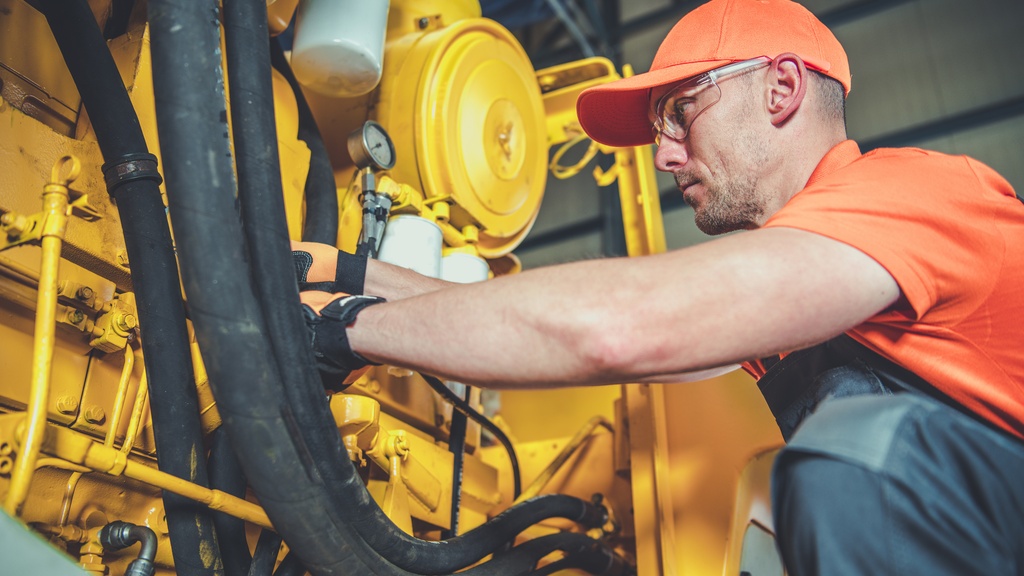
Excavators are the backbone of any serious construction project, heavy lifters that keep timelines moving and productivity high. But like any major investment, their value depends entirely on how well they are maintained and adapted over time.
It’s worth noting, though, that doing this isn’t just about keeping the engine running—it’s about anticipating changes in technology, maintenance needs, and job site demands before they become problems. By taking a proactive approach, you can future-proof your excavator, keeping it up and running for many years to come.
Regular Maintenance is Key
It might sound obvious, but the foundation of future-proofing is a rigorous maintenance schedule. You might know when it’s best to replace an excavator’s final drive, but you can’t tell if it’s time to do so unless you check. Establishing routine inspections will be key to preventing minor issues from snowballing into catastrophic failures that result in costly downtime.
Focus on the Big Three
While every part of the machine matters, three areas demand your constant attention:
- Hydraulics: This is the most essential fluid in your excavator, which is why contaminated fluid is the number one cause of hydraulic failure. Regularly checking fluid levels and changing filters is vital for your machine’s survival. Keep an eye out for leaks or slow cycle times, which are often early warning signs of pressure issues.
- Engine Health: Modern diesel engines are marvels of engineering, but they can be quite sensitive at times. Air filtration for this component is critical, especially on dusty job sites common in earthmoving. A clogged air filter can suffocate an engine and lead to premature wear.
- Undercarriage: This is often the most expensive component to repair. Since it takes a beating every single day, it’s up to you to keep it clean. Mud and debris packed into the tracks can freeze or harden, increasing tension and accelerating wear on rollers and idlers.
Creating a Schedule That Sticks
Don’t rely on memory or a sticky note in the cab. Use a digital log or the manufacturer’s telematics system to track hours. Set alerts for key intervals—50 hours, 250 hours, 500 hours—and stick to them religiously. Future-proofing means treating maintenance as a non-negotiable appointment, not a friendly suggestion.
Invest in Technology Upgrades
The construction industry is undergoing a digital revolution. An excavator bought five years ago might be mechanically sound, but technologically, it could be a dinosaur. Retrofitting your existing fleet with modern tech is one of the smartest ways to extend its useful life without buying a brand-new machine.
GPS and 3D Guidance Systems
Gone are the days of relying solely on grade stakes and manual checking. Aftermarket 2D and 3D machine control systems allow operators to dig with incredible precision, often within a fraction of an inch. This reduces over-digging, saves fuel, and minimizes material costs. By adding this tech to an older machine, you effectively give it the capabilities of a 2024 model.
Telematics
If your machine didn’t come with telematics, install it. These systems track location, fuel consumption, idle time, and engine health in real time. This data is gold for future-proofing your excavator over the coming years, as it allows you to spot inefficiencies more quickly than ever before. Are operators idling too long? Is a specific machine burning more fuel than it should? Telematics answers these questions, enabling you to make data-driven decisions that extend engine life.
Use High-Quality Parts and Attachments
When a part breaks, the temptation to buy the cheapest generic replacement can be quite strong. It’s in your best interest to resist it. For effective future-proofing, you need to have a mindset of “value over price.”
The OEM Advantage
Original Equipment Manufacturer (OEM) parts are designed specifically for your machine’s tolerances. Generic parts might fit, but they often lack the durability or precise engineering of the original. Using substandard parts can void warranties and, worse, cause stress on other components. Think of OEM parts as an insurance policy for your machine’s longevity.
Versatility Through Attachments
One of the best ways to future-proof an excavator is to make it a multi-tool. If your excavator only digs holes with a bucket, its utility is limited. Investing in a quick coupler and a range of attachments—hydraulic breakers, shears, grapples, or compactors—instantly expands the types of jobs you can take.
Instead of needing three different machines on a site, a single future-proofed excavator with the right arsenal of attachments can do the work of a fleet. This versatility ensures that even as job requirements change, your machine remains indispensable.
Train Your Operators
You can have the most advanced, well-maintained excavator in the world, but if it’s operated poorly, it won’t last. The human element is one of the most significant variables in equipment longevity.
Smooth Operation Equals Long Life
Aggressive operation—slamming cylinders to their stops, spinning tracks unnecessarily, or jerking the boom—puts immense stress on the machine. Skilled operators know that smooth movements are the key to getting a job done. That’s because they understand how to maximize productivity without pushing the machine past its redline. Investing in training teaches your crew how to operate efficiently, which directly translates to less wear and tear on pins, bushings, and the engine.
Adapting to New Tech
As you upgrade your machine with GPS or tilt-rotators, you must upgrade your operators’ skills, too. Technology is useless if the person in the seat doesn’t know how to use it. Regular training sessions on new systems ensure you get the ROI you expect from those expensive upgrades. Look for training programs offered by dealers or local trade schools to keep your team sharp.
Monitor and Adapt to Industry Trends
The construction landscape is shifting beneath our feet. Environmental regulations are getting tighter, and clients are demanding greener, cleaner practices. Future-proofing means keeping your head up and looking at the horizon.
Tier 4 and Beyond
Emissions standards are only going one direction: stricter. While you can’t easily change the emissions tier of an existing engine, you can maintain it to ensure it stays compliant. Furthermore, keeping up with these changes helps you plan for when it is finally time to replace the machine. You don’t want to be caught off guard by a new regulation that bans your older equipment from specific government or urban contracts.
Networking for Knowledge
Don’t operate in a vacuum. Attend industry trade shows, join local construction associations, and talk to your equipment dealer regularly. They are the first to know about upcoming shifts in technology or regulation. By staying connected, you can anticipate changes rather than reacting to them when it’s too late. Being proactive allows you to adapt your maintenance and upgrade strategies to ensure your excavator remains a compliant, competitive asset for years to come.