Adjustable vs. Fixed Sway Bars: Which Is Worth It
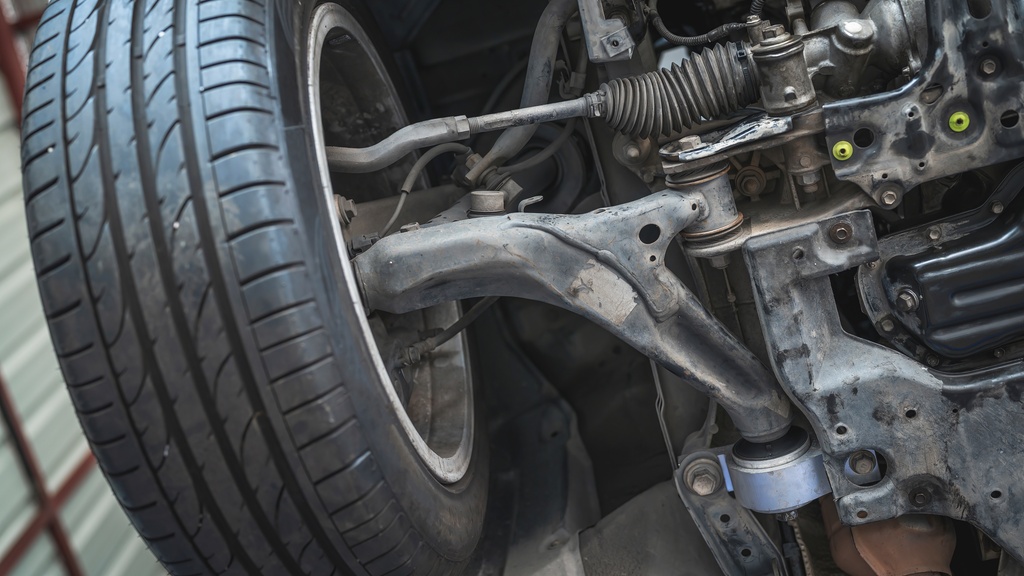
Drivers usually notice suspension weaknesses during sharp entrance ramps or uneven coastal roads. A vehicle that leans too much through corners can make steering response slower than expected. Sway bars help control that movement, but the choice between adjustable and fixed designs changes how the vehicle reacts in real driving conditions. Once you compare the strengths of each setup, it becomes easier to decide which option fits your driving style.
Why Body Roll Changes the Driving Experience
Every vehicle shifts weight during turns and lane changes. You notice it when the body leans to one side and the steering loses some precision.
A sway bar limits that side-to-side movement by linking suspension components together. When one side compresses during a turn, the bar resists the motion and helps stabilize the vehicle. You gain flatter cornering and stronger control during quick transitions.
Fixed Sway Bars Keep Things Simple
Fixed sway bars use a single mounting position with no adjustment points. Once installed, the bar delivers the same stiffness all the time. It works well for daily-driven vehicles that need stronger cornering stability but don’t require constant tuning.
Another advantage comes from reliability. Fixed bars contain fewer moving parts and eliminate the temptation to over-adjust suspension settings. Many people prefer a setup they can trust without spending weekends experimenting under the vehicle.
Price also influences the decision. Fixed sway bars cost less than adjustable systems, which makes them attractive for drivers who want noticeable gains without stretching the budget too far.
Adjustable Sway Bars Offer More Control
Adjustable sway bars allow you to change stiffness levels by moving the end links to different mounting holes. Small changes create major differences in handling balance. Drivers who enjoy dialing in suspension response love the added flexibility.
One setting may create sharper turn-in response for aggressive driving, while another softens the ride slightly for longer highway trips. This flexibility helps drivers tailor the vehicle to their specific needs instead of settling for one permanent compromise.
Mississippi Gulf Coast drivers who tow boats or alternate between city traffic and open highway driving may appreciate adjustable sway bars more than casual commuters. Different loads change suspension behavior, and adjustable setups help compensate for those changes.
Performance enthusiasts also benefit from the ability to fine-tune front and rear balance. Some drivers prefer tighter front-end response, while others want the rear suspension to rotate more naturally through corners. Adjustable sway bars create room for those preferences.
Ride Quality Depends on More Than Stiffness
Many drivers assume stiffer always means better, but suspension tuning doesn’t work that way. A sway bar can improve handling while also making the ride harsher if the setup becomes too aggressive for the vehicle.
Fixed sway bars create a predictable compromise because engineers tune them around a specific target. Adjustable sway bars open the door to experimentation, which can either improve comfort or reduce it depending on the settings.
Drivers navigating rough roads near the coast should think carefully about daily comfort. A suspension setup that feels exciting during a short drive may become tiring during long commutes.
Tire selection, shock quality, and vehicle weight also affect ride quality. Sway bars work as part of a complete suspension system, not as isolated upgrades. Strong handling comes from balance rather than maximum stiffness.
Weather Conditions Make Suspension Setup More Important
The Gulf Coast creates unique driving challenges. Sudden downpours reduce traction, and strong coastal winds can unsettle taller vehicles at highway speeds. A stable suspension setup helps maintain confidence when conditions shift unexpectedly.
Drivers of trucks and SUVs notice sway bar improvements quickly because taller vehicles naturally lean more during turns. Stronger stability reduces steering corrections and helps the vehicle stay composed during emergency maneuvers. Rear suspension balance also plays a larger role than many drivers expect, especially during towing or sudden weight transfer through corners.
This is why many people spend time comparing different rear sway bar setups before making suspension changes. Once drivers experience tighter handling during poor weather, they rarely want to return to a softer factory setup.
Daily Versus Weekend Driving
Figuring out whether you need adjustable or fixed sway bars depends heavily on how you use the vehicle. Someone commuting through Gulfport traffic every day won’t prioritize the same qualities as a driver attending autocross events on weekends.
A fixed sway bar fits drivers who want:
- Predictable handling improvements
- Lower maintenance demands
- Consistent ride characteristics
- Straightforward installation
- Strong value for the money
Adjustable sway bars appeal more to drivers who enjoy testing suspension settings and refining vehicle behavior. Enthusiasts love the ability to personalize handling response for different conditions.
Neither option qualifies as universally better. The right choice depends on your expectations behind the wheel.
Installation Changes the Final Results
A premium sway bar still performs poorly if installation quality falls short. Proper torque specs and suspension geometry all influence how the system behaves once you hit the road.
Some drivers install sway bars at home with basic tools, while others prefer professional shops familiar with suspension tuning. Coastal humidity and road debris can also create stubborn hardware issues on older vehicles, especially trucks exposed to salt air for years.
After installation, many drivers notice improvements immediately during lane changes and turns. The steering feels more connected, and the vehicle responds faster without excessive leaning.
Suspension upgrades also work best when paired with realistic expectations. A sway bar sharpens handling, but it won’t erase every weakness in worn tires or aging suspension components.
Cost Versus Long-Term Satisfaction
Fixed sway bars create excellent value because they deliver clear improvement without overwhelming the driver. Adjustable sway bars justify their higher price for enthusiasts who genuinely use the added tuning range.
Thinking about long-term driving habits helps narrow the decision. If you enjoy modifying suspension settings and experimenting with handling response, adjustable designs hold greater appeal. If you want dependable improvement without extra effort, fixed bars make more sense.
Drivers want their vehicle to respond quicker and inspire more confidence on the road. Both options accomplish those goals, but they take different paths to get there. Once you match the sway bar to your driving habits and expectations, the decision stops feeling complicated.