Creative Hobbies That Build Life Skills in Kids
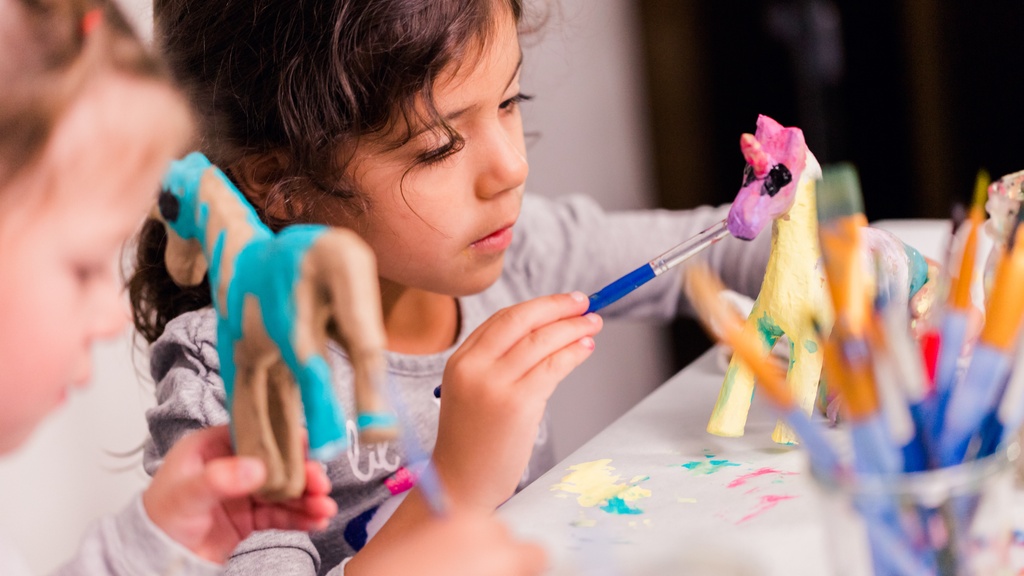
Creative hobbies offer children a powerful path toward personal growth, discipline, and independence through consistent practice and thoughtful engagement at home. These activities create opportunities for children to develop confidence and problem-solving abilities through hands-on experiences across many environments. Parents often seek meaningful ways to support development, and creative hobbies provide a structured approach that encourages curiosity and thoughtful decision-making skills.
Each creative activity introduces children to new challenges that require focus and reflection, shaping how they approach obstacles and opportunities. Children build resilience through repetition and gain confidence as they see tangible results from their efforts across various creative pursuits. These creative hobbies that build life skills in kids also create moments for connection between parents and children, reinforcing trust and shared understanding through consistent interaction.
Drawing and Visual Expression
Drawing allows children to communicate ideas through images that reflect imagination and perception without reliance on complex verbal skills or explanations. This process strengthens observation skills as kids notice shapes and patterns that exist within everyday environments and translate them onto paper. Repeated practice builds patience and attention to detail as children strive for greater accuracy in each piece.
Visual expression also supports emotional awareness since children use art to process feelings that may feel difficult to express through words alone. As they experiment with styles and materials, they gain confidence in decision-making and accept that mistakes serve as part of growth. This mindset encourages resilience since children learn to revise work and approach challenges with curiosity rather than fear or hesitation.
Music and Rhythm Practice
Music introduces structure through rhythm and melody, which helps children develop timing, coordination and focus across different activities and learning environments. Playing instruments requires discipline since consistent effort leads to improvement and reinforces the value of practice as a path toward mastery. These experiences teach children how small efforts compound into progress over time through repetition and attentive listening skills.
Group music activities encourage cooperation as children must listen to others and adjust their pace to maintain harmony within a shared performance. This interaction builds respect for teamwork and shows how individual roles contribute to collective success in meaningful ways. As confidence grows, children feel pride in their abilities, which supports self-esteem and motivation across academic and personal pursuits.
Building and Craft Projects
Hands-on craft projects allow children to transform raw materials into finished items that reflect planning effort and creative vision across different forms. This process strengthens problem-solving since children must decide how to assemble parts and adapt when initial ideas do not succeed. Each completed project reinforces persistence as children recognize that effort leads to tangible results that they can see and share.
Craft activities also improve fine motor skills through precise movements that require control and coordination during tasks such as cutting and assembling. These actions support physical development that connects directly to writing skills and other daily tasks that demand steady hand control. Children gain confidence in their ability to handle tools and materials with care and purpose.
Creative Writing and Storytelling
Writing encourages children to organize thoughts into structured narratives that express ideas and experiences in clear and engaging ways. This practice strengthens language skills as children expand vocabulary and learn how sentence structure influences meaning and tone within communication. Storytelling builds imagination since children create characters, settings and conflicts that reflect personal creativity and insight.
Storytelling also develops empathy as children consider perspectives of different characters and explore how actions affect outcomes within each narrative they create. This reflection supports social awareness since children learn to recognize emotions and motivations in others through fictional scenarios. As skills improve, children gain confidence in their ability to share ideas with clarity and purpose across various settings.
Sewing and Textile Projects
Sewing teaches children precision and planning as they work with fabric and tools that require careful handling. Each step reinforces attention to detail since small errors can affect the final product and require correction through focused effort. As skills develop, children gain confidence in their ability to create functional items that serve practical purposes within everyday life.
Learning why you should teach your kid how to sew will ensure they gain practical skills that support independence and creative problem-solving across many situations. This activity also strengthens perseverance since children must correct mistakes and refine techniques to achieve desired results. Sewing builds appreciation for craftsmanship as children recognize the value of effort within each completed project they proudly present.
Dance and Movement Arts
Dance combines physical activity with creative expression, which helps children develop coordination, balance, and rhythm through structured and free-form movement patterns. This practice strengthens body awareness as children learn how movements connect and influence posture control. Repeated practice builds discipline since improvement requires consistent effort and attention to technique across various routines.
Movement arts also support emotional expression since children use motion to convey feelings that may not translate easily into words or verbal communication. This outlet encourages confidence as children perform and share their abilities with family and larger audiences in supportive settings. Dance fosters resilience since children learn to accept feedback and refine skills through continued effort and practice.
Acting and Role Play
Acting allows children to explore different roles that encourage creativity and emotional awareness through performance and imaginative storytelling exercises. This activity strengthens confidence as children speak expressively and present ideas in front of others within supportive environments. Through rehearsal, children develop discipline and learn how preparation influences performance quality and overall success in each presentation.
Role play also supports social development since children interact with peers and learn how to respond to different perspectives within shared scenarios. This interaction builds empathy as children consider how others feel and react within various situations. Acting encourages adaptability since children must adjust performances based on feedback and changing conditions during each exercise.
Problem Solving Games and Puzzles
Puzzles challenge children to think critically as they analyze patterns and relationships that lead to solutions through careful observation and reasoning skills. This process strengthens cognitive development since children must test ideas and adjust strategies when initial attempts do not produce correct outcomes. Each solved puzzle reinforces confidence as children recognize their ability to overcome challenges through logical thinking.
Games that require strategy are some of the best hobbies that build life skills in kids because they encourage planning to make decisions that influence results within structured rules. This practice builds patience since success often depends on thoughtful actions rather than immediate responses or quick conclusions. Children develop resilience as they learn to view setbacks as opportunities for growth and improvement across various challenges.
Creative hobbies provide a foundation for growth that extends beyond childhood as skills developed through these activities. Each experience shapes how children approach challenges and interact with others through habits that support thoughtful decision-making and consistent effort. With encouragement and access to diverse activities, children can build abilities that support success across many areas of life and personal development.