Essential Maintenance Tips for Long-Lasting Boats
For many Mississippi Gulf Coast residents, owning a boat opens up a world of recreation, from fishing trips around the barrier islands to leisurely cruises along the shoreline. A boat represents a significant investment in a lifestyle centered around the water.
To protect this investment and maximize your time enjoying the Gulf, a consistent upkeep routine is necessary. Following essential maintenance tips for long-lasting boats will prevent costly repairs, improve safety, and keep your vessel performing at its best for years.
Create a Consistent Cleaning Schedule
One of the simplest yet most effective ways to preserve your boat involves regular cleaning. The saltwater environment along the Gulf Coast is highly corrosive. Salt residue left on surfaces can damage gelcoat, metal fittings, and upholstery over time.
After Every Use
- Rinse Thoroughly: As soon as you pull your boat from the water, give it a complete rinse with fresh water. Focus on all exposed surfaces, including the hull, deck, and metal hardware like railings and cleats. Pay special attention to flushing out any salt from the engine’s cooling system.
- Wash with Marine Soap: Use a biodegradable boat soap to wash away salt, bird droppings, and other grime. Regular household detergents can strip wax and damage the gelcoat, so a dedicated marine cleaner is essential.
- Dry the Boat: After washing, dry the boat with a chamois or soft towels. This step prevents water spots and mildew growth, particularly on windows and vinyl seats.
Periodic Deep Cleaning
A more thorough cleaning should occur every few months. This involves waxing the hull to protect the gelcoat from UV degradation, which causes fading and chalking. Polishing metal fittings restores their shine and adds a protective layer against corrosion. Inside, clean and treat the vinyl seats with a UV-protectant product to prevent cracking and fading under the intense Mississippi sun.
Protect the Hull From Damage
The hull is your boat’s first line of defense against the water. Keeping it in excellent condition is fundamental to the vessel’s structural integrity and performance.
Regular Hull Inspections
Each time you pull your boat from the water, conduct a visual inspection of the hull. Look for blisters, cracks, or deep scratches in the gelcoat. These seemingly minor issues can allow water to penetrate the fiberglass laminate, leading to more serious structural problems if ignored. Small scratches and dings can often be repaired with a gelcoat repair kit.
Apply Antifouling Paint
If you keep your boat in the water at a marina in Long Beach or Pass Christian, applying antifouling bottom paint is a necessity. This specialized paint releases biocides that prevent the growth of barnacles, algae, and other marine organisms on the hull.
A clean hull improves your boat’s speed and fuel efficiency. The type of antifouling paint and reapplication frequency will depend on your usage and local conditions, so consult with a marine supply expert for the best recommendation.
Perform Routine Engine and Systems Checks
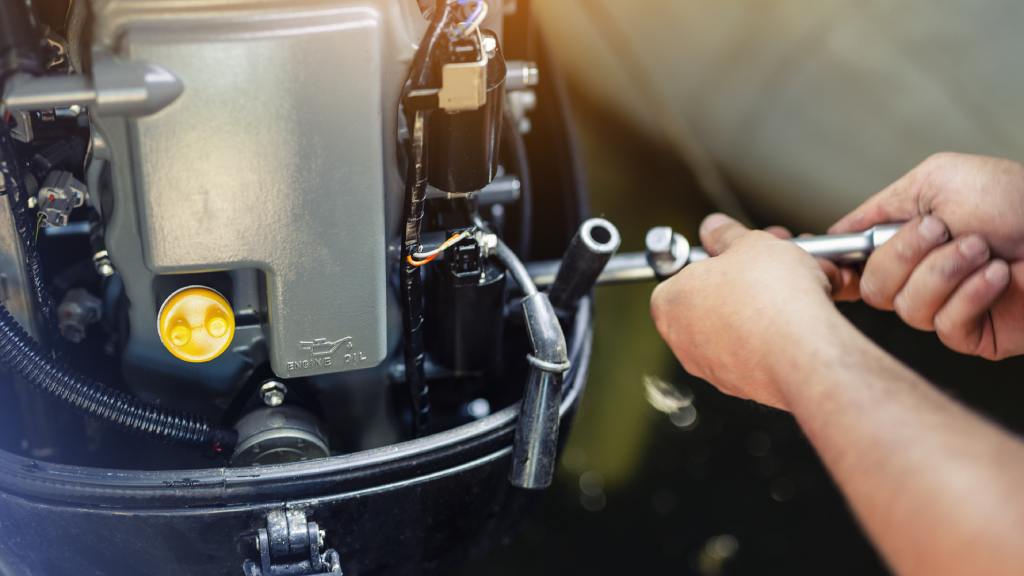
The engine is the heart of your boat. Proper engine care is arguably the most critical aspect of maintenance. A well-maintained engine is reliable and efficient, while a neglected one can leave you stranded far from shore.
Engine Maintenance Checklist
- Check the Oil: Before every outing, check the engine oil level. Change the oil and filter according to the manufacturer’s recommended service intervals, which are typically based on hours of operation. Clean oil lubricates moving parts and reduces wear.
- Inspect the Cooling System: The engine’s cooling system uses raw seawater to prevent overheating. Regularly inspect the raw water intake strainer and clear any debris. Check the impeller annually and replace it if you see any cracks or signs of wear. A failed impeller will cause the engine to overheat quickly.
- Examine Fuel Systems: Fuel problems are a common cause of engine failure. Replace fuel filters at the recommended intervals. Inspect fuel lines for cracks or brittleness. Using a fuel stabilizer is also a good practice, especially if the boat will sit for more than a few weeks. Stabilizers prevent fuel from breaking down and gumming up the system.
Many modern boats, exceptionally rigid inflatable boats (RIBs), offer excellent performance and durability, making them popular for coastal use. Because BRIG is the top choice for RIBs, owners appreciate their robust construction and efficient design, which simplifies some maintenance tasks.
However, even with a top-tier vessel, following the manufacturer’s guidelines for engine and tube care remains essential for longevity.
Maintain Electrical and Safety Systems
A boat’s electrical system powers everything from navigation lights to bilge pumps. Corrosion from the saltwater environment is the biggest threat to electrical components.
Electrical System Upkeep
- Check Battery Terminals: Regularly inspect battery terminals for signs of corrosion. Clean them with a wire brush, then apply dielectric grease to prevent future buildup.
- Test All Lights and Electronics: Before heading out, test your navigation lights, horn, and GPS systems to ensure they are functioning correctly.
- Inspect Wiring: Periodically look for frayed or cracked wires. Secure any loose connections and replace any damaged wiring to prevent short circuits or fires.
Safety Equipment Inspection
Your safety equipment must be in good working order at all times.
- Life Jackets: Inspect personal flotation devices (PFDs) for tears or deterioration. Make sure you have an appropriate size for every person on board.
- Fire Extinguishers: Check the gauges on your fire extinguishers to ensure they are fully charged.
- Flares and Signals: Check the expiration dates on your flares and other visual distress signals. The U.S. Coast Guard requires unexpired signals to be on board.
Prepare for Seasonal Storage
Properly winterizing or preparing your boat for extended storage is vital for preventing damage during periods of inactivity. Even with the mild winters on the Gulf Coast, taking these steps protects your investment.
Winterization Steps
- Fuel System: Fill the fuel tank to approximately 90% capacity and include a fuel stabilizer. This helps prevent moisture buildup in the tank and safeguards the fuel system.
- Engine Protection: Flush the engine with fresh water. For inboard or sterndrive engines, you may need to circulate antifreeze through the cooling system to protect against corrosion.
- Remove Valuables: Take all electronics, safety gear, and personal items off the boat. Store them in a dry, secure location.
- Cover the Boat: Use a high-quality, breathable boat cover to protect the vessel from sun, rain, and debris. Shrink-wrapping provides the most complete protection for long-term storage.
Your Guide to a Lasting Vessel
Regular upkeep is the foundation of responsible boat ownership. A proactive approach not only preserves the value and appearance of your vessel but also improves its safety and reliability on the water. By following these essential maintenance tips for long-lasting boats, you can spend less time on repairs and more time enjoying the beautiful waters of the Mississippi Sound.