Dangerous Chemical Storage Mistakes (And How to Avoid Them)
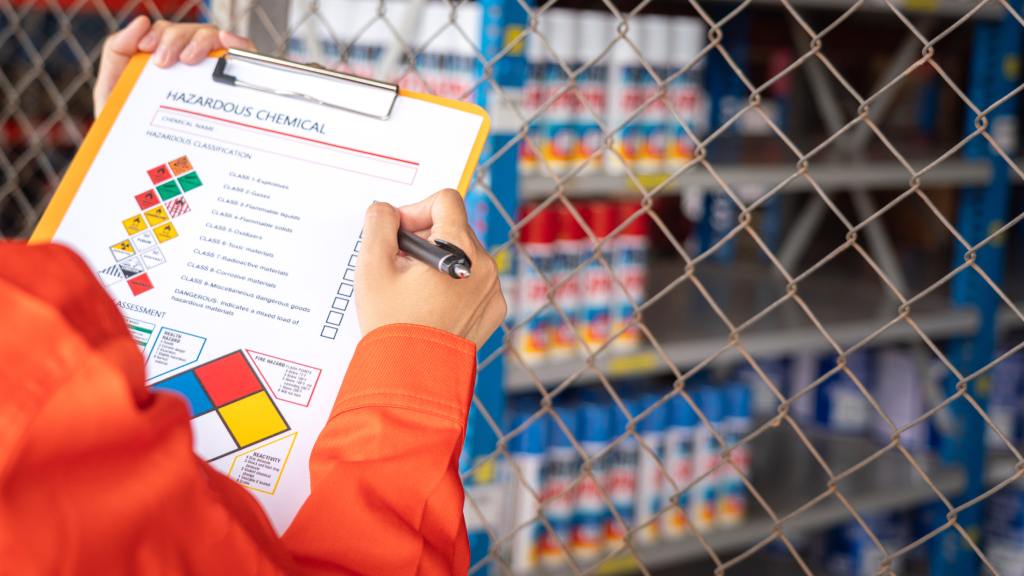
Whether you run a small business, work in a warehouse, or manage chemicals at home, proper storage is essential for keeping people safe. Learning about dangerous chemical storage mistakes (and how to avoid them) is a topic that deserves serious attention, especially for residents and business owners along the Mississippi Gulf Coast, where heat and humidity create conditions that make chemical hazards far more unpredictable. Understanding the most common mistakes gives you the power to prevent accidents before they happen.
Storing Incompatible Chemicals Together
One of the most dangerous mistakes people make is storing incompatible chemicals in the same area. Certain substances react violently when they come into contact with each other, even through minor spills or slow leaks.
Bleach and ammonia, for example, produce toxic chloramine gas when they mix. Acids and bases generate intense heat and can cause containers to rupture. Small amounts of incompatible chemicals can lead to dangerous reactions that happen quickly and without warning.
Always separate chemicals by their hazard class, and follow the manufacturer’s storage guidelines closely. Keep a chemical compatibility chart posted in your storage area so everyone on your team knows which substances must stay apart at all times.
Skipping Proper Chemical Labeling
It’s essential to clearly and accurately label every chemical container at your facility. Many accidents happen because someone grabs the wrong container or fails to recognize a substance’s hazards. Every label should include the chemical’s name, hazard warnings, and the date you received or opened it.
Transfer containers also need fresh labels; never store a chemical in an unlabeled bottle, even temporarily. If a label fades or falls off, replace it immediately. This straightforward habit keeps your team informed and reduces the risk of dangerous mix-ups throughout your facility.
Ignoring Ventilation Requirements
Poor ventilation ranks among the most overlooked mistakes in chemical storage. Many chemicals release fumes that accumulate quickly in enclosed spaces, posing fire hazards or serious health risks to anyone nearby.
Storage areas need adequate airflow to prevent the accumulation of toxic or flammable vapors. Install proper exhaust fans, keep vents unobstructed, and never store volatile chemicals in sealed rooms without air circulation.
Along the Gulf Coast, summer temperatures drive heat and humidity into every corner of a storage space, which accelerates vapor release from many common chemicals. Good ventilation becomes even more critical in this climate.
Using the Wrong Storage Containers
The container you choose matters as much as the storage location itself. Some chemicals corrode metal, dissolve certain plastics, or react with rubber seals. Using the wrong container leads to leaks, spills, or complete container failure.
Always store chemicals in manufacturer-recommended containers and inspect them regularly for cracks, corrosion, or damaged lids. Never reuse food or beverage containers for chemical storage; even trace amounts of residual material can trigger dangerous reactions or lead someone to mistake the contents for something harmless.
Neglecting Temperature and Humidity Controls
Temperature and humidity directly affect chemical stability. Many substances become unstable, degrade, or release harmful gases when exposed to excessive heat or moisture. For residents and businesses in Long Beach and across the Mississippi Gulf Coast, this concern persists year-round.
The region’s hot summers and high humidity levels can push storage conditions well beyond what many chemicals tolerate safely. Store temperature-sensitive chemicals in climate-controlled spaces, and monitor storage area conditions on a consistent schedule. Flammable chemicals need protection from heat sources, including direct sunlight through windows and proximity to HVAC equipment.
Failing to Install Gas Detection Equipment
Even a well-organized storage area can develop a leak, and your nose won’t always catch it in time. Gas detectors alert you to dangerous vapor concentrations before they reach harmful or explosive levels. Recent advancements in gas-detection sensor technology have made these systems more accurate, affordable, and easier to install than ever before.
Businesses and homeowners along the Gulf Coast should invest in detectors appropriate for the specific chemicals they store. Position detectors at the correct height; some gases are heavier than air and settle near the floor, while others are lighter than air and rise toward the ceiling.
Always test them regularly to confirm they function properly. Routine maintenance and timely battery replacement will help ensure your detectors continue to provide reliable protection.
Overlooking an Emergency Response Plan
Every location that stores chemicals needs a clear emergency response plan, yet many facilities skip this step entirely. A solid emergency plan outlines exactly what to do in the event of a spill, fire, or chemical exposure. You should know the following:
- Who to call
- How to evacuate
- Where to find safety data sheets
- Where to locate spill kits or fire suppression equipment.
Post this plan visibly in your storage area and review it with everyone who works in or near the space. Conduct regular emergency drills so everyone knows their role and can respond confidently if a real incident occurs. A practiced plan reduces panic during an emergency and helps people respond quickly and correctly when every second counts.
Disposing of Chemicals Incorrectly
Improperly disposing of chemicals can pose hazards that affect more than just your storage area. Pouring chemicals down the drain or tossing them in the regular trash contaminates local water supplies and harms the surrounding environment. In addition to environmental damage, improper disposal can result in fines, legal consequences, and increased cleanup costs for businesses and homeowners.
Long Beach residents can contact the Harrison County Solid Waste office or check with the Mississippi Department of Environmental Quality for guidance on local hazardous waste disposal options. Always follow the disposal instructions on the product safety data sheet, and never combine chemicals together to reduce the volume you need to discard.
Protecting Your Home and Community Starts With Better Habits
Correcting the mistakes covered above keeps your home, workplace, and neighbors safer. Understanding these dangerous chemical storage mistakes (and how to avoid them) is the foundation for responsible chemical management that protects everyone around you.
Gulf Coast residents face unique climate challenges that make these storage practices even more critical to follow. Take time to review your current setup, address any gaps you find, and commit to making safety a consistent priority each day.