Wedding Venue Tips for a Smoother Celebration
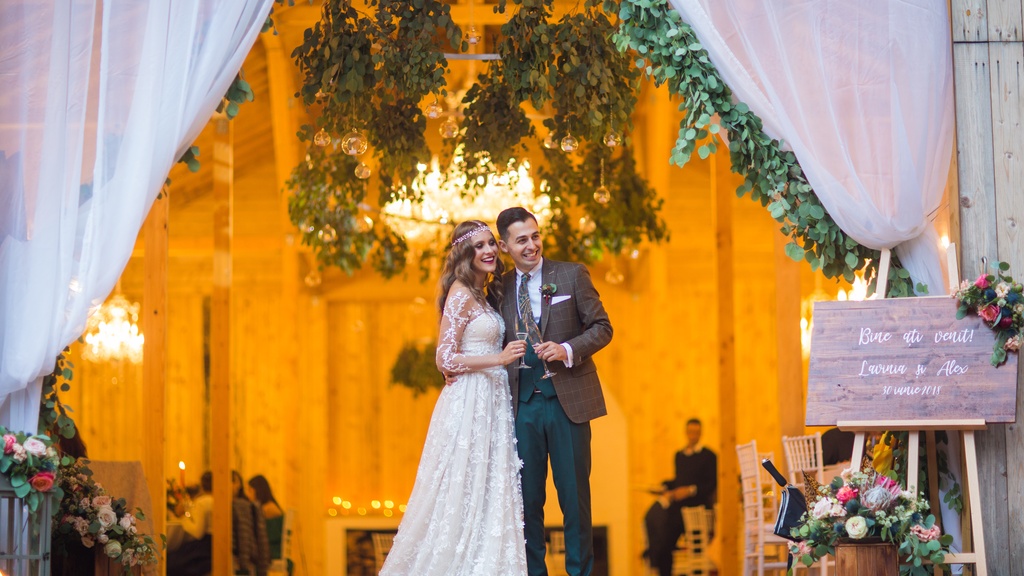
Choosing the perfect wedding venue is one of the most important decisions you’ll make during your planning journey. It sets the tone for your big day and influences everything from logistics to guest experience. While aesthetics matter, functionality and thoughtful preparation are what truly create a smooth and memorable celebration. With the right wedding venue tips for a smoother celebration, your venue can support a stress-free day where everything flows naturally and beautifully.
Start with a Clear Vision
Before you begin touring venues, it’s essential to define your overall vision for the wedding. Think beyond colors and décor and focus on the atmosphere you want to create. Whether you’re envisioning a romantic garden ceremony, a modern ballroom reception, or a rustic outdoor celebration, your venue should align with your style and priorities.
A clear vision helps you quickly narrow down your options and avoid wasting time on spaces that don’t fit your needs. It also ensures consistency throughout your planning process. When your venue matches your vision, many other decisions, from catering to décor, become easier and more cohesive.
Consider Guest Experience First
While it’s easy to fall in love with a venue based on looks alone, your guests’ comfort should always be a top priority. A smooth celebration depends heavily on how easily guests can navigate and enjoy the space.
Think about accessibility, parking availability, and proximity to hotels. If many guests are traveling, choosing a venue near accommodations can significantly reduce stress. Additionally, consider how guests will move between different parts of the event, such as the ceremony, cocktail hour, and reception.
Comfort is another critical factor. Make sure there is adequate seating, climate control, and restroom access. A venue that keeps guests comfortable allows them to focus on celebrating with you rather than dealing with inconveniences.
Understand the Layout and Flow
One of the most overlooked aspects of a wedding venue is how the space flows throughout the day. A beautiful venue can still create logistical challenges if the layout isn’t well suited for your timeline.
When touring venues, visualize how each part of the day will unfold. Consider where guests will gather before the ceremony, how they will transition to cocktail hour, and where the reception will take place. Ideally, these transitions should feel natural and require minimal direction.
Venues with clearly defined areas for each portion of the celebration tend to create a smoother experience. If everything is happening in one space, ask how the staff will handle room flips and how long those transitions will take. Understanding these details ahead of time prevents delays and confusion on your wedding day.
Ask About Vendor Flexibility
Your venue will often dictate which vendors you can work with, so it’s important to understand their policies early on. Some venues require you to use in-house catering, preferred florists, or specific rental companies, while others allow you to bring in your own team.
Flexibility can make a big difference in both your budget and your overall experience. If you already have vendors in mind, make sure the venue allows them. If not, ask for a list of recommended professionals who are familiar with the space.
Working with vendors who know the venue well can streamline setup, reduce errors, and ensure everything runs efficiently. Their familiarity with the space often translates into better coordination and fewer surprises.
Plan for Weather and Backup Options
If you’re considering an outdoor wedding, having a solid backup plan is essential. Weather can be unpredictable, and the last thing you want is to scramble for solutions on your wedding day.
Ask venues about their contingency plans. Do they offer indoor alternatives, tents, or covered spaces? How quickly can they transition if the weather changes unexpectedly? Having clear answers to these questions provides peace of mind and ensures your celebration can continue without disruption.
Even indoor venues benefit from backup planning. Power outages, unexpected delays, or other unforeseen issues can arise, so it’s helpful to know how the venue handles emergencies and what support they provide.
Evaluate On-Site Amenities
The amenities offered by a venue can significantly impact both convenience and cost. Some venues provide tables, chairs, linens, and décor, while others require you to rent everything separately.
Bridal suites and groom lounges are also valuable features. Having a comfortable space to get ready on-site can simplify your day and reduce travel between locations. Additionally, venues with on-site coordination or staff support can help manage logistics and keep everything running smoothly.
Parking, lighting, and sound systems are other amenities that shouldn’t be overlooked. A well-equipped venue minimizes the need for additional rentals and ensures your event runs seamlessly from start to finish.
Communicate Clearly with Venue Staff
Strong communication with your venue team is key to avoiding misunderstandings and ensuring your vision is executed correctly. From your initial inquiry to the final walkthrough, maintaining open and clear communication helps build trust and alignment.
Ask detailed questions and take notes during meetings. Confirm important details in writing, including timelines, setup instructions, and vendor requirements. This creates a reliable reference point and reduces the risk of miscommunication.
As your wedding day approaches, schedule a final meeting to review all logistics. This is your opportunity to confirm details, address any concerns, and ensure everyone is on the same page.
Plan for Smooth Transitions
Transitions between different parts of your wedding day can either feel seamless or chaotic, depending on how well they’re planned. Your venue plays a major role in guiding these moments.
Work with your planner or coordinator to map out how guests will move through the space. Consider signage, announcements, and staff guidance to keep everything organized. There are also benefits for having your ceremony and reception in the same place, so check to see if your venue can accommodate that.
Music and lighting can also help signal transitions and maintain the flow of the event. When these elements are thoughtfully coordinated, your celebration feels polished and effortless.
Budget Beyond the Base Cost
The initial price of a venue is only part of the overall cost. Additional fees for rentals, staffing, overtime, and service charges can quickly add up.
When evaluating venues, ask for a detailed breakdown of all potential costs. This includes taxes, gratuities, and any optional add-ons. Understanding the full financial picture helps you make informed decisions and avoid unexpected expenses.
A venue that appears more expensive upfront may actually be more cost-effective if it includes essential amenities. Comparing the total value rather than just the base price ensures you stay within budget while meeting your needs.
Choosing the Right Venue
Your wedding venue is more than just a backdrop. It’s the foundation that supports every moment of your celebration. By focusing on the factors for a smoother wedding celebration, you can create an environment that allows everything to flow smoothly.
Taking the time to ask the right questions, consider your guests’ experience, and plan for every detail ensures your wedding day feels effortless and enjoyable. With the right venue and preparation, you’ll be able to focus on what truly matters; celebrating your love with the people who mean the most.