How Routine Groundskeeping Protects Site Appearance
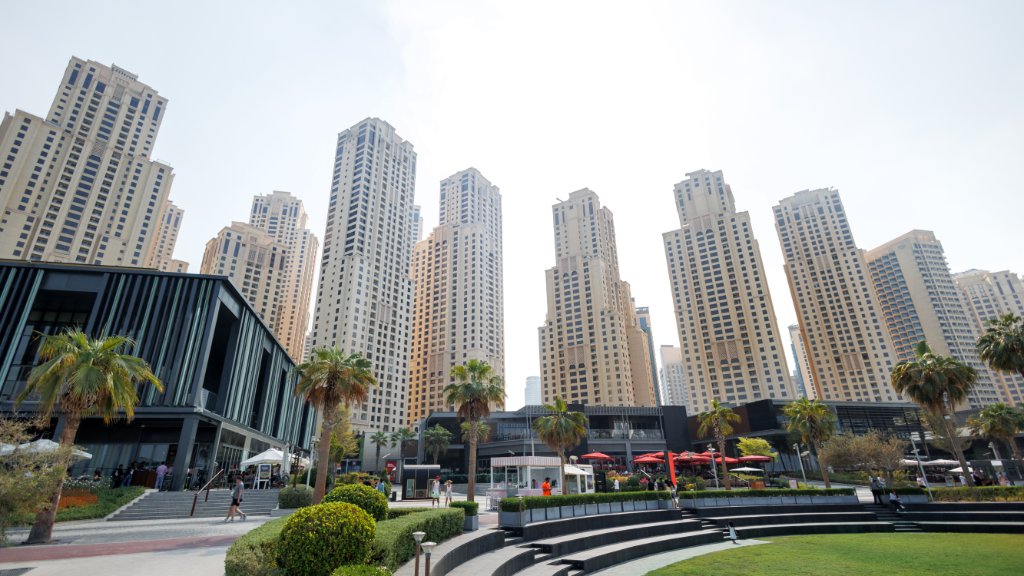
Groundskeeping is one of those things people only seem to notice when it starts to fall behind. A site can have nice buildings and good hardscaping, but overgrown turf or messy drainage areas can detract from these features. That’s why routine groundskeeping is necessary to protect a site’s overall appearance. In most cases, it’s most effective when it happens before the place starts looking like it needs a rescue mission, so let’s learn more about how to do that.
Small Tasks Keep the Site From Slipping
While a few weeds along a fence line may not seem urgent at first, after a few weeks, that same area can make the whole site look neglected. Regular attention helps a property hold its shape. Crews can spot bare patches before they spread and address overgrowth before it hides signs or walkways. That steady pace keeps the site looking managed without requiring a major reset every few months.
This matters for both residential communities and commercial properties. Visitors often read the landscape as a sign of how the rest of the site is managed. If the grounds look ignored, people may assume the same thing about the inside of the buildings or shared spaces.
Mowing Sets the First Impression
Grass height affects appearance faster than almost any other landscape detail. When mowing stays consistent, the property looks cleaner, even if other work still needs attention. When mowing falls behind, the site can look rough long before any major maintenance issue appears.
Good mowing also protects turf health. Letting grass grow too tall can make mowing harder and leave clumps that look messy after the job is done. Still, it’s good to know that cutting too low can stress the grass and create weak areas that invite weeds.
Crews need to adjust mowing patterns based on weather and growth rate. A schedule that works in a dry stretch may not work after several days of rain. Routine groundskeeping does not mean mowing on autopilot; it means watching conditions and making practical choices.
Edges Make Maintenance Look Intentional
Edges do a lot of quiet work for a well-maintained landscape. That’s because the line where turf meets pavement can make a site look neat even when the design itself is simple. Overgrown edges create the opposite effect because they blur the shape of walkways and drive lanes.
Routine trimming helps the property look more finished. It also keeps plants from creeping into areas where people walk or park. That matters because a site can feel less usable when growth starts crossing into everyday paths.
Bed edges deserve the same level of attention. A clean border around planting areas helps the eye understand the layout. Without that definition, even healthy plants can look scattered or unmanaged.
Drainage Areas Need Regular Care
Drainage features often sit away from the most visible parts of a property, which makes them easy to overlook. Still, their condition can affect both appearance and function. When grass grows too high or debris blocks the flow, a practical drainage area can start to look like an abandoned corner.
Retention ponds need a thoughtful maintenance plan as well. Crews should know the best practices for mowing and maintaining retention ponds, as this work affects water movement and site appearance. The goal is to keep access clear and prevent overgrowth without damaging slopes or soft ground.
Remember that timing matters around drainage areas. Wet soil can rut quickly under equipment, while steep banks may require safer mowing methods than flat turf. A careful approach keeps the area neat without creating new repair work.
Debris Control Changes How People See the Property
Trash and fallen branches can make a property look unmaintained even when the grass is cut. People notice loose debris because it disrupts the site’s overall appearance. A clean property feels safer and more cared for.
Routine cleanup prevents these kinds of small messes from growing into bigger ones. After storms or busy weekends, crews should check high-traffic areas before debris spreads. This type of work may feel basic, but it has a strong effect on public perception.
Debris can also create maintenance problems. Leaves can collect near drains and slow water movement. Loose material near curbs can wash into places that are harder to clean later.
Plant Growth Needs Direction
Plants add character to a site, but they need boundaries. Shrubs that block windows or signs can make a property feel less open. Tree limbs that hang too low can interfere with mowing and pedestrian movement.
Routine pruning keeps plantings looking intentional. It also helps crews preserve the original design instead of letting each plant choose its own path. A landscape can still look natural without feeling uncontrolled.
This work should follow the plant’s growth pattern rather than a random calendar. Cutting too aggressively can weaken the plant or leave it looking harsh. Light attention at the right time usually protects appearance better than heavy correction after months of neglect.
Seasonal Changes Affect the Maintenance Plan
Groundskeeping needs to shift as the year changes. Growth may surge during wet periods and slow down when heat or dry weather sets in. A good maintenance plan responds to those changes instead of forcing the same routine every week.
Seasonal timing also affects how a property recovers from stress. Turf may need extra care after heavy use or long stretches of difficult weather. Planting beds may need attention when the mulch thins or weeds begin to break through.
A site can lose its clean look quickly when seasonal work falls behind. Fresh mulch, healthy turf, and controlled growth help the property feel cared for through changing conditions. That consistency matters because people notice when a landscape starts to drift.
Records Help Crews Stay Consistent
Routine groundskeeping becomes easier when crews track their work. Simple notes can show which areas need more attention and which tasks keep repeating. That information helps managers adjust the schedule before problems become visible.
Records also help when more than one crew works on the same site. Everyone can understand what happened last week and what needs attention next. That consistency protects appearance because the property does not depend on guesswork.
Don’t forget about the importance of photos, either. A quick image after mowing or pruning gives crews a reference point for future work. Over time, those records show whether the site is holding its appearance or slowly slipping out of shape. This will allow you to better readjust your routine groundskeeping efforts to properly protect the site’s appearance.