Features That Help a House Feel More Custom
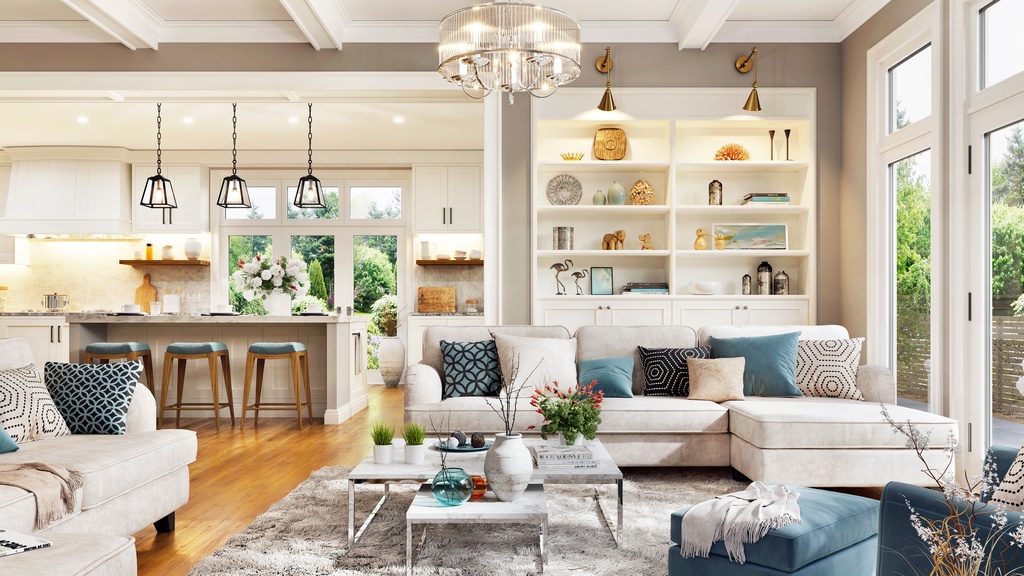
The homes people remember most are not always the largest or the newest. In many cases, they stand out because the design feels connected to the people who live there. Thoughtful details can create a sense of individuality that makes a house feel established, comfortable, and distinctly personal. Homeowners often focus on major renovations, but smaller architectural decisions frequently have a greater impact on their daily experience.
When discussing features that help a house feel more custom, the focus tends to shift toward design choices that create character. These features influence how rooms function, how spaces connect, and how homeowners interact with their surroundings. The result is a home that feels tailored to you and your real life.
Architectural Details That Create Identity
Many homes share similar layouts, yet architectural details can dramatically change the impression a space leaves behind. Elements, such as custom trim or decorative wall treatments, become part of the structure itself, which gives a room a stronger sense of durability.
These details work because they establish visual consistency throughout the home. When similar design themes appear from one room to the next, the house feels more intentional. Rather than relying on furniture to create character, the architecture carries part of that responsibility and creates a more memorable environment.
Entryways That Feel Intentional
An entryway introduces visitors to the home and influences how they perceive everything that follows. A thoughtfully designed entrance can create a feeling of arrival that sets the tone for the entire interior.
Custom features near the entrance do not need to be elaborate. Built-in seating, distinctive lighting, or carefully selected materials can make the space feel unique while improving everyday convenience. Because the entry serves both residents and guests, improvements in this area frequently have an impact that extends beyond its relatively small footprint.
Built-In Features That Add Lasting Value
Built-ins have remained popular for generations because they create a sense of permanence. Unlike freestanding furniture, these features appear integrated into the home architecture and contribute to a more cohesive design.
A built-in bookcase can turn an ordinary wall into a focal point. Window seating can create a quiet retreat within a larger room. Even relatively simple additions can make a space feel more refined because they appear purposefully designed for that specific location.
Staircases That Influence the Design
In a multilevel home, the staircase frequently becomes one of the most visible architectural features. Its design affects how different areas connect while contributing to the appearance of the interior.
Homeowners interested in choosing the perfect staircase details frequently consider how materials and decorative elements complement the rest of the home. Because a staircase occupies such a prominent position, even subtle design decisions can have a noticeable effect on the atmosphere of surrounding spaces.
Kitchens That Reflect Daily Habits
The modern kitchen functions as a gathering place where family members spend time together and where everyday routines naturally unfold.
A custom-feeling kitchen responds to those routines, as homeowners can organize storage around their cooking habits and arrange seating to support daily interactions. When a kitchen reflects how people actually use the space, it feels more personal and far more comfortable.
Ceiling Treatments That Add Dimension
Ceilings represent one of the most overlooked opportunities in residential design. While walls and flooring receive considerable attention, ceiling details can dramatically influence how a room feels.
Decorative beams, wood treatments, or subtle architectural accents draw attention upward and create visual depth. These features can make a room feel more expansive while introducing character that might otherwise be missing. Their effect is particularly noticeable in larger spaces where vertical dimension influences the design.
Outdoor Spaces That Extend the Home
Outdoor living areas become more meaningful when they feel connected to the interior. A patio or covered porch can function as a natural extension of the home’s living space when the design creates a seamless transition.
Along the Mississippi Gulf Coast, outdoor areas frequently receive considerable use throughout the year. For that reason, many homeowners place value on creating exterior spaces that feel welcoming and comfortable. When those spaces share design elements with the interior, the entire property feels more unified.
Storage Designed Around Everyday Life
Storage contributes substantially to comfort, although its value is not always immediately visible. Designers create the most effective solutions by adapting them to the habits of the people who use them instead of relying on standard configurations.
A family that spends time outdoors may need a dedicated area for shoes and equipment near the entrance. Someone who enjoys cooking may prioritize pantry organization. These personalized solutions create a home that feels more responsive to everyday needs while reducing clutter throughout the living space.
Lighting That Shapes the Experience of a Room
Lighting shapes how people perceive every room. Lighting affects mood, improves visibility, and highlights architectural details throughout the day.
Thoughtful lighting plans create flexibility without drawing attention to themselves. A room can feel bright and energetic during active hours, then become more relaxed in the evening through subtle adjustments. When lighting supports the intended purpose of a space, the entire home feels more carefully considered.
Materials That Create Character
Material selection influences a home’s appearance long after construction is complete. The surfaces homeowners interact with every day contribute to the experience of living in the space.
Natural materials frequently create a stronger sense of character because they contain variation and texture. Wood develops visual depth through grain patterns, while stone introduces a feeling of stability that manufactured materials sometimes struggle to replicate.
Rooms Designed Around Personal Interests
One of the clearest signs of a custom-feeling home is the presence of spaces designed for specific activities. These rooms reflect the interests of the people who live there.
A reading room creates an environment dedicated to quiet relaxation. A workshop supports creative projects and hands-on hobbies. A music room can become a place where family traditions develop. These spaces contribute to personality because they represent real aspects of everyday life.
Why the Small Details Matter
The appeal of features that help a house feel more custom comes from the cumulative effect of thoughtful decisions. Individual elements may seem modest when viewed on their own, yet their influence grows when they work together throughout the home.
A distinctive staircase, a carefully planned entryway, or a hobby-focused room can shape how people experience a house for years. When design choices reflect the people who live there, the result feels authentic. That sense of authenticity is what ultimately gives a home its character and makes it feel truly personal.