Reducing Product Loss Through Better Handling
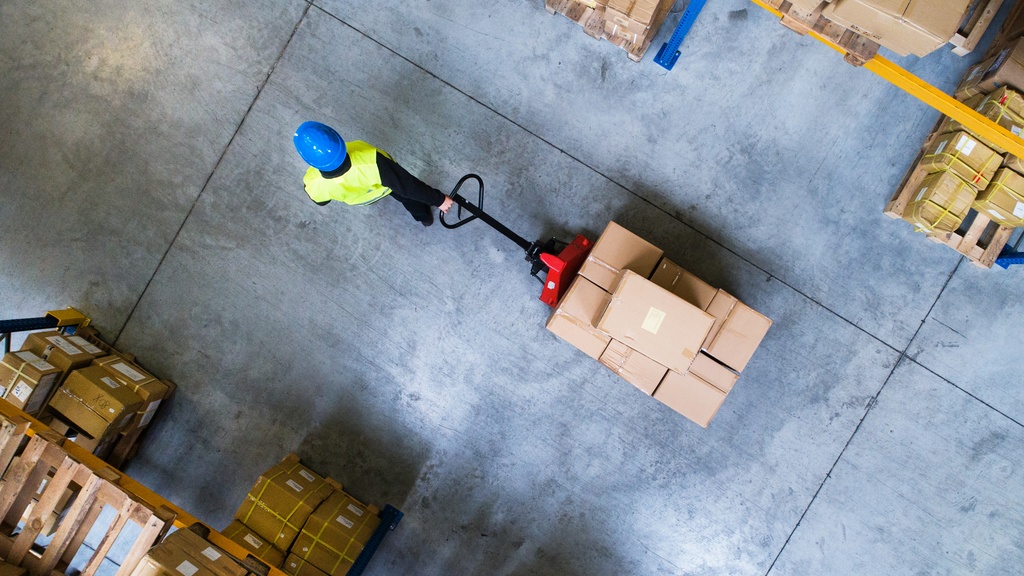
Businesses throughout the Mississippi Gulf Coast rely on products arriving in good condition, whether they ship those items to retail shelves, construction projects, or industrial facilities. When product damage happens, that affects organizations of every size. Even minor handling mistakes can lead to added expenses that ripple through many operations.
Because products pass through multiple stages before reaching their destination, every transfer presents an opportunity for damage. Understanding how handling practices influence product condition can provide valuable insight into reducing preventable losses. In many cases, small procedural improvements make a noticeable difference in daily operations. As a result, reducing product loss through better handling continues to be a relevant topic across a wide range of industries.
Product Loss Starts Long Before Delivery
Many people associate product damage with transportation, yet problems frequently begin much earlier. Goods move through many areas of a warehouse before they leave a facility. When employees rush tasks or work within poorly organized environments, the likelihood of accidental damage increases.
A damaged product isn’t what a business wants, but there are other factors to look at as well. For example, crushed packaging, bent materials, or compromised containers can also affect quality and usability. Once damage occurs, products become more vulnerable as they continue through the distribution process, particularly in environments where humidity and changing weather conditions can affect exposed materials.
The Financial Impact of Everyday Damage
Product loss creates expenses that extend beyond replacing damaged inventory. Organizations may need to spend additional time processing returns, adjusting inventory records, or resolving customer concerns. Those disruptions can affect scheduling and productivity throughout an operation.
For businesses serving seasonal visitors along the Gulf Coast, inventory availability becomes especially important during periods of increased demand. When products arrive damaged, organizations may struggle to meet customer expectations during busy times. Even a small percentage of preventable loss can create challenges when inventory levels are already limited.
Building Better Habits Through Training
Employee training remains one of the most practical ways to reduce preventable product damage. Workers who understand proper handling procedures are better equipped to recognize risks and respond appropriately when unusual situations arise. Consistency across teams creates a stronger foundation for protecting inventory throughout the workday.
Hands-on instruction tends to produce stronger results than written policies alone. Employees benefit from seeing proper techniques demonstrated in real-world situations, especially when working with large or fragile items. Refresher training can reinforce expectations while giving supervisors an opportunity to address recurring issues before they become larger problems.
Storage Practices Influence Product Condition
How businesses store products directly affect product condition as disorganized storage areas increase the risk of avoidable damage. When employees struggle to access products safely, inventory becomes more susceptible to impacts and mishandling.
Along the Mississippi Gulf Coast, environmental conditions deserve special attention. Moisture can affect packaging materials and weaken certain products when storage areas lack appropriate safeguards. Thoughtful organization allows employees to move inventory efficiently while reducing unnecessary contact with surrounding goods.
Why Equipment Condition Matters
Handling equipment serves as an extension of the workforce, making its condition an important consideration. Material-moving tools, such as forklifts, experience constant use, which means routine inspections can prevent accidents and product damage.
Equipment problems do not always produce immediate failures. Worn components or minor mechanical issues can affect stability during movement, increasing the likelihood of impacts that damage inventory. Regular maintenance supports safer operations while reducing interruptions caused by unexpected equipment downtime.
Stable Pallets Support Safer Handling
Effective handling depends on more than employee training and equipment operation. The condition of the materials used to store and move products can influence whether inventory remains secure throughout the supply chain. Pallets provide the foundation for countless handling activities, and when that foundation begins to weaken, products become more vulnerable to damage during routine movement.
Many facilities inspect for wooden pallet structural weakness signs because pallet integrity directly affects load stability. Wearing can increase the likelihood of shifting inventory during storage or transportation. Even when employees follow established handling procedures, a compromised pallet can introduce risks that contribute to product damage and unnecessary loss.
Transportation Adds Another Layer of Risk
Products encounter conditions that transportation teams cannot always predict once they leave a facility. Road vibrations, sudden stops, and extended travel times place stress on inventory throughout the journey. Proper loading procedures reduce movement inside vehicles and create a more secure environment for products in transit.
Transportation routes along the Gulf Coast occasionally face weather-related challenges that extend travel times. Products secured correctly at the beginning of a trip generally perform better when shipments encounter unexpected delays or changing conditions.
Packaging Should Reflect Real Conditions
Packaging decisions influence product protection throughout the supply chain. While some goods require reinforced materials, others benefit from packaging designed to withstand compression or repeated handling. The most effective packaging strategies account for actual transportation and storage conditions.
Businesses sometimes assume packaging is adequate because products leave a facility without visible damage. A closer examination may reveal issues occurring during transit or at intermediate handling points. Evaluating packaging performance across the entire journey can uncover opportunities for improvement.
Communication Reduces Repeated Mistakes
Damage patterns become easier to identify when departments share information regularly. Inventory managers, warehouse personnel, and transportation teams each observe different aspects of product movement. Bringing those perspectives together creates a clearer understanding of recurring challenges.
Organizations that track damage incidents consistently are better positioned to identify underlying causes. Instead of addressing individual events in isolation, teams can focus on procedural improvements that reduce the likelihood of future losses.
Data Creates Opportunities for Improvement
Modern inventory systems provide greater visibility into product movement than many businesses had available in the past. Digital tracking tools can reveal where damage occurs most frequently and identifies areas where procedures may require adjustment.
Information alone does not prevent product loss, yet it can support better decision-making. When businesses understand where products face the greatest risk, they can allocate resources more effectively and refine handling procedures without disrupting operations.
Creating a Workplace Focused on Product Protection
Reducing product loss requires more than written procedures. Employees at every level influence inventory quality through their daily decisions, making workplace culture an important factor in long-term success. When workers understand how handling practices affect outcomes, they are more likely to recognize risks before damage occurs.
Organizations that emphasize accountability typically address concerns quickly. Access to proper equipment, realistic workloads, and clear expectations encourage employees to prioritize product protection throughout each stage of the handling process.
Supporting Stronger Operations
Businesses continue to face pressure to operate efficiently while minimizing waste. Although major investments seem like the best upgrades, improvements in everyday handling practices can produce meaningful results without requiring large-scale operational changes.
By focusing on practical procedures and maintaining consistent standards, organizations can make steady progress toward reducing product loss through better handling. Thoughtful attention to inventory movement, storage conditions, and workplace habits support stronger operations while reducing avoidable damage across the supply chain.