How To Know if Rural Living Is Right for You
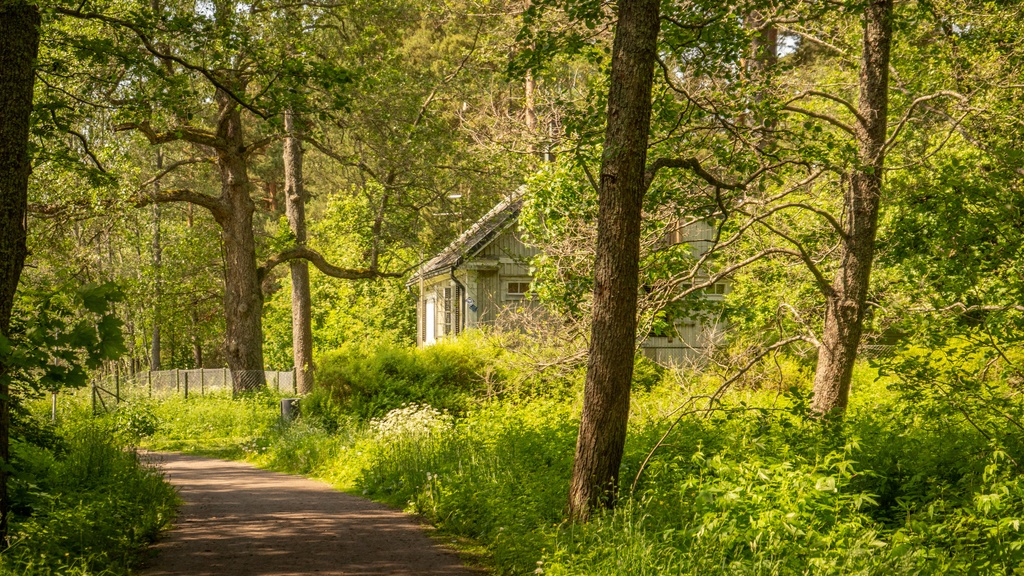
Many people dream about trading crowded streets for open spaces, quieter days, and a slower pace of life. Rural living offers plenty of benefits, but it also comes with challenges that many first-time buyers overlook. Before you pack your belongings and head to the countryside, take time to evaluate your lifestyle, priorities, and long-term goals. A realistic look at daily life will help you decide whether country living matches what you truly want instead of what you imagine.
Think About Your Daily Routine
Your daily routine changes significantly when you move to a rural area. Grocery stores, restaurants, gyms, and medical offices may sit much farther from home than they do in suburban or urban neighborhoods.
Ask yourself how often you rely on nearby conveniences. If you regularly make quick trips for groceries or coffee, rural living may require a noticeable adjustment. Longer drives become part of everyday life, so planning ahead becomes more important.
You should also consider your work schedule. A longer commute may affect your free time if you don’t work remotely.
Consider Your Need for Privacy
Many people choose rural properties because they value peace and personal space. Larger lots create more distance between neighbors, giving homeowners greater privacy.
Think about whether you enjoy spending time alone or whether you prefer constant social activity. Rural communities often feel welcoming, but they usually offer fewer entertainment options than larger cities.
Privacy comes with responsibility as well. You may need to handle more home maintenance without immediate access to professional services.
Evaluate Your Comfort With Home Maintenance
Country properties often require more upkeep than homes in neighborhoods with homeowners associations or municipal services.
You might need to maintain:
- Gravel driveways
- Septic systems
- Wells
- Larger lawns
- Fences
- Outbuildings
- Snow removal equipment
- Tree maintenance
These responsibilities require time, money, and effort throughout the year. Some homeowners enjoy outdoor projects, while others find them overwhelming.
Understand the Financial Picture
Many buyers assume rural homes always cost less than city properties. While purchase prices may decrease, other expenses can increase.
Fuel costs often rise because you drive longer distances. Utility bills may vary depending on your heating system. Property maintenance may require specialized equipment such as tractors, riding mowers, or generators.
Insurance costs may also differ based on your property’s location and available emergency services.
Create a realistic budget before making a decision instead of focusing only on the home’s purchase price.
Ask Yourself Why You Want to Move
Your motivation matters just as much as the property itself.
Some people simply enjoy quieter surroundings. Others want more land for gardening, livestock, or hobbies. Families may prioritize additional outdoor space for children.
You may even find yourself thinking about escaping the city after years of traffic, crowded neighborhoods, and constant noise. While those frustrations make sense, don’t let temporary burnout become your only reason for moving. Make sure the advantages of rural living fit your long-term lifestyle instead of serving as a short-term escape.
Research Internet and Cell Service
Reliable internet has become essential for work, education, entertainment, and communication.
Before purchasing a rural property, verify:
- Internet providers
- Available speeds
- Cell phone reception
- Backup internet options
- Satellite service availability
Don’t assume every rural address offers high-speed internet. Some locations still provide limited service, which could affect remote work or online learning.
Testing these services before closing on a home can prevent major disappointments later.
Think About Emergency Services
Emergency response times often differ between rural and urban communities.
Fire departments may rely on volunteer staff. Ambulances may travel greater distances before reaching your property. Hospitals may require longer drives.
These realities don’t make rural living unsafe, but they deserve careful consideration.
If you have ongoing medical needs or frequently visit specialists, calculate travel times before choosing a location.
Consider Community Life
Rural communities often develop close relationships among neighbors.
Local events, school activities, county fairs, and community organizations create opportunities to meet people and become involved. If you enjoy volunteering or participating in community activities, rural towns often offer welcoming environments.
On the other hand, if you prefer constant nightlife, concerts, professional sports, or large shopping centers, you may miss the variety available in bigger cities.
Your personality plays a significant role in determining whether you’ll enjoy your new surroundings.
Explore Your Outdoor Interests
Outdoor recreation becomes much more accessible in many rural locations.
If you enjoy activities like hiking, fishing, gardening, hunting, horseback riding, or simply spending time outside, rural living may support your interests better than city life.
Owning additional land also allows many homeowners to build workshops, greenhouses, or recreational spaces that wouldn’t fit on smaller suburban lots.
Think honestly about how often you would use these opportunities. They provide tremendous value for some people but hold little appeal for others.
Think About Future Family Needs
Your current lifestyle may differ from your future plans.
If you’re planning to start a family, rural schools, extracurricular activities, childcare options, and healthcare access deserve careful research.
Older adults should also consider future needs. Long distances to medical providers may become more challenging over time.
Choosing the right location means looking beyond today’s circumstances and thinking several years ahead.
Spend Time in Rural Areas Before Moving
One of the smartest decisions you can make involves experiencing rural life before buying property.
Instead of relying on online photos or weekend visits, spend several days in the community during different seasons.
Visit local businesses, drive surrounding roads, and observe traffic patterns. Talk with residents about weather, utilities, schools, and daily life.
Winter conditions, harvest seasons, and summer tourism can all affect your experience depending on the area.
The more firsthand experience you gain, the more confident your decision will become.
Decide Whether the Trade-Offs Fit Your Lifestyle
Every place offers advantages and disadvantages. Rural living provides privacy, open space, slower-paced surroundings, and opportunities to enjoy nature more often. At the same time, it usually requires longer drives, additional home maintenance, and greater independence.
Rather than comparing rural life to city life as better or worse, focus on which environment supports your priorities. Consider your career, hobbies, budget, health, family plans, and daily habits. If you enjoy self-sufficiency, value quiet surroundings, and appreciate having room to spread out, country living may feel like a natural fit. If convenience, entertainment, and quick access to services remain high priorities, you may feel happier in a suburban or urban setting.
The right decision comes from understanding your own expectations. When you weigh both the rewards and the responsibilities honestly, you’ll have a much better chance of choosing a place where you’ll enjoy living for years to come.