Signs Your Grease Trap Is Screaming for Attention
If you own a restaurant or food business along the Mississippi Gulf Coast, then you know how essential a well-functioning grease trap is to your daily operations. This unassuming yet critical piece of equipment ensures your kitchen runs smoothly while keeping you compliant with local regulations. But like any piece of equipment, your grease trap requires regular care and attention to prevent expensive and disruptive problems. Ignoring the warning signs could lead to costly repairs or even compliance violations, effectively shutting down your business.
Don’t let this seemingly simple process derail your operations. If your grease trap is screaming for attention, these are the signs you’ll want to look out for and find a solution to.
Foul Odors Coming From the Drains
One of the most apparent indicators that something is wrong with your grease trap is an unpleasant smell wafting from your kitchen drains. Grease traps separate and collect fats, oils, and grease—also known as FOG—but over time, these materials accumulate to a level where they start to decompose. This decomposition produces a rancid odor that can quickly permeate your kitchen and dining area.
If customers or staff begin to notice foul smells, it’s a clear sign that your grease trap hasn’t been cleaned or maintained recently. Attending to this issue immediately is critical, as neglecting it compromises your kitchen environment and can hurt customer satisfaction or your reputation.
Slow Draining Sinks Are a Red Flag
Another early warning sign is when sinks, particularly those in commercial kitchens, begin to drain slower than usual. Grease traps can become clogged over time as FOG accumulates. When they’re clogged, wastewater cannot flow through properly, causing a backlog in the connected plumbing system.
Don’t ignore slow drains, as they can lead to more severe plumbing issues down the road. A grease trap cleaning or maintenance check can identify and resolve the root cause, ensuring your kitchen sinks return to their normal functionality.
Overflowing Grease Trap Spells Trouble
Overflowing is one of the more alarming signs that your grease trap needs immediate intervention. During periods of heavy use, such as peak meal service hours, the trap can reach its capacity. When this happens, grease and other waste materials start to seep out, potentially causing safety hazards and sanitation concerns.
An overflowing grease trap disrupts your kitchen’s efficiency and creates a mess that staff must manage. Regular maintenance will prevent this nightmare scenario and help your grease trap perform optimally even during busy service periods.
Chronic Plumbing Issues
If you’ve noticed an increasing frequency in plumbing problems, such as clogged pipes or backups, your grease trap may be the root cause. A poorly maintained trap enables FOG to make its way into the plumbing system, where it can harden and cause blockages. Unfortunately, these blockages can lead to significant downtime and unnecessary calls to plumbers, which you could avoid with proper grease trap upkeep.
Addressing your grease trap can alleviate these recurrent plumbing headaches, ensure your kitchen stays operational, and your plumbing in good condition.
Noises Coming From Your Drains
Strange sounds coming from your kitchen drains are an indicator of grease trap trouble. Gurgling or bubbling noises are often a sign that air is trapped in the plumbing system due to blockages caused by built-up grease and waste materials. These noises serve as an alert that your system is working harder than it should to manage your kitchen’s waste.
Ignoring these unusual sounds may lead to severe mechanical problems, so don’t hesitate to schedule a grease trap cleaning if you hear them.
The Danger of Wastewater Backflow
The backflow of wastewater is among the most serious signs that your grease trap is overdue for maintenance. This occurs when clogged grease traps obstruct the normal flow of wastewater, forcing it to flow back into your sinks or other kitchen fixtures. Aside from being unsanitary, backflow poses a significant health risk to employees and customers.
Backflow can lead to larger violations of health codes in the Mississippi Gulf Coast area, which only hurts your business and potentially incurs fines. Routine inspections can prevent such issues from escalating and ensure your grease trap handles its workload effectively.
Challenges With Cleaning
If your staff or maintenance team struggles to clean the grease trap regularly, it may indicate an underlying issue. Persistent difficulty in cleaning could mean that fats, oils, and grease have built up to a point where standard cleaning techniques are no longer effective. Additionally, improper cleaning methods might leave behind residues that exacerbate long-term problems.
Do not ignore this issue. Consult with a professional grease trap service to get a thorough cleaning and further guidance on how to make cleaning easier moving forward.
Uninvited Guests in Your Kitchen
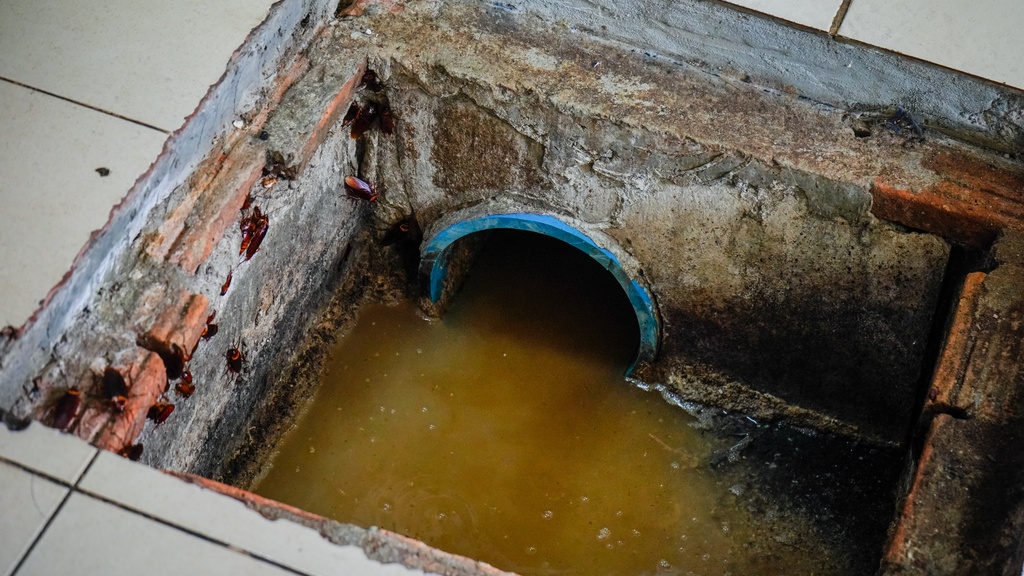
Notice an increase in pest activity in your restaurant? That could also be a sign your grease trap isn’t functioning as it should. Pests like rodents and insects love the odors and food scraps that come from poorly maintained grease traps. Once pests invade your kitchen, eradicating them is costly and time-consuming, not to mention the damage they can do to your establishment’s reputation.
Ensuring you clean and maintain your grease trap regularly can minimize the odor and waste that attract pests and protect your kitchen against infestations.
Take Action for Better Maintenance
A grease trap that is showing any of these signs isn’t simply asking for attention, it’s screaming for it. It’s your responsibility as a restaurant owner to respond quickly. Ignoring these red flags can lead to expensive repairs, regulatory fines, and even downtime for your business. Every restaurant and food business along the Mississippi Gulf Coast should prioritize routine maintenance as a primary step in their operations. This will preserve smooth functionality in the short term and allow you to extend the lifespan of a grease trap, saving you money over the long run.
Keep an eye out for these signs and act promptly to keep your kitchen operations running effortlessly. If you’re unsure of where to start, consult with a professional grease trap service in your area to identify and address any issues before they become major problems.