Choosing the Right Solenoid Valve for Hazardous Areas
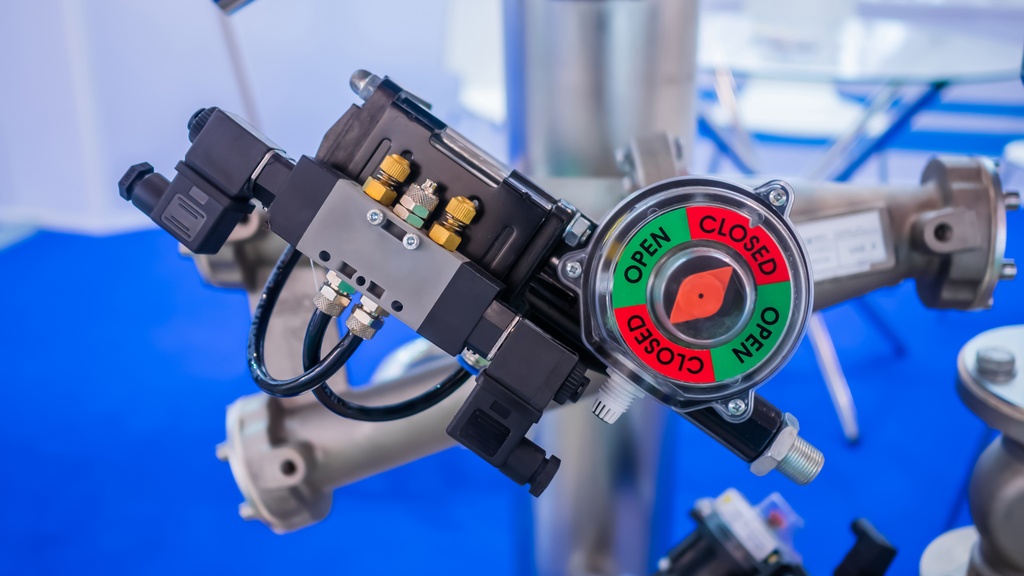
Solenoid valves play a critical role in controlling the flow of liquids and gases across many industries. When these valves operate in hazardous locations—where flammable gases, vapors, or dust pose an explosion risk—selecting the correct component is a matter of both safety and operational integrity. Making the right choice involves understanding complex classification systems, material properties, and installation requirements. This guide will walk you through the key factors to consider when selecting a solenoid valve for a hazardous environment, helping you protect your personnel, equipment, and facility.
Understanding Hazardous Area Classifications
Before choosing a valve, you must first understand the environment in which it will operate. International and regional standards classify hazardous areas based on the type of combustible substance present and the likelihood of its presence in explosive concentrations. The two most prominent systems are:
- ATEX, used in Europe
- IECEx, used globally
The ATEX Directive
The ATEX directive consists of two parts: one for manufacturers (ATEX 114) and one for employers (ATEX 153). Equipment gets categorized into groups and categories. Group I applies to mining, while Group II applies to all other surface industries. Within Group II, equipment goes to a category (1, 2, or 3) that corresponds to the zone in which professionals can use it.
Zone 0/20 indicates an area where an explosive atmosphere is continuously present, Zone 1/21 is where it is likely to occur in normal operation, and Zone 2/22 is where it is unlikely to happen but may be present for short periods.
The IECEx System
The International Electrotechnical Commission System for Certification to Standards Relating to Equipment for Use in Explosive Atmospheres, or IECEx, provides an internationally accepted means of demonstrating conformity with safety standards.
Similar to ATEX, the IECEx system uses zones to classify hazardous locations. Zones 0, 1, and 2 relate to flammable gases or vapors, while Zones 20, 21, and 22 relate to combustible dusts. An IECEx certificate assures that a product meets global safety standards, facilitating international trade and market access.
Key Considerations for Selecting Solenoid Valves
Choosing the appropriate solenoid valve requires a detailed assessment of several factors beyond standard classifications. You must evaluate the valve’s construction, protection method, and operational characteristics to verify that it will perform safely in a specific hazardous environment.
Protection Methods and Enclosure Types
Solenoid valves for hazardous areas employ various protection methods to prevent an explosion. One common type is the explosion-proof solenoid valve. These valves feature an enclosure designed to contain any internal explosion that might occur from a spark igniting flammable substances that have entered the housing. Professionals build the enclosure to withstand the pressure of such an event and cool the escaping gases to a temperature that will not ignite the surrounding hazardous atmosphere.
Another method is intrinsic safety, which limits the electrical and thermal energy within the valve to a level below that required to ignite a specific hazardous material. Other methods include encapsulation, where a resin seals the electrical components, and pressurization, which utilizes a protective gas to keep hazardous atmospheres out of the enclosure.
Temperature Class and Gas Group
The temperature class, or T-rating, indicates the maximum surface temperature a piece of equipment can reach during operation. This rating must be lower than the auto-ignition temperature of the hazardous substances present in the area. For example, a T6 rating signifies a maximum surface temperature of 85°C, making it suitable for environments with highly volatile substances. Additionally, equipment is categorized into gas groups (like IIA, IIB, and IIC for ATEX and IECEx) based on the type of gas it is safe to operate around. Group IIC, for instance, includes highly flammable substances like hydrogen and acetylene, requiring equipment with more stringent protection measures.
Material Compatibility and Environmental Factors
The materials used to construct the solenoid valve must be compatible with both the media flowing through it and the external environment. Corrosion can compromise the integrity of the valve’s enclosure, undermining its protective features. For instance, a valve body made of 316 stainless steel offers excellent resistance to corrosive chemicals. It is ideal for offshore platforms or chemical processing plants where saltwater or aggressive chemicals are present.
Seals and O-rings must also come from materials, like FKM or EPDM, that can withstand the specific chemicals and temperatures they will encounter without degrading. You should also consider ambient temperature, humidity, and exposure to UV radiation, as these can affect the longevity and performance of the valve’s non-metallic components.
Installation and Maintenance Best Practices
Proper installation is fundamental to the safe operation of any solenoid valve in a hazardous location. Installers must follow the manufacturer’s instructions precisely, paying close attention to wiring, conduit seals, and grounding requirements. A correctly installed conduit system prevents flammable gases from traveling through the wiring pathways and entering the valve enclosure. Any deviation from the specified installation procedure can void the valve’s certification and create a serious safety risk.
Regular maintenance is equally important. A proactive maintenance schedule should include visual inspections for signs of corrosion or damage to the enclosure and its seals. Technicians should also check electrical connections for tightness and integrity. Any repair or replacement of components must use parts specified by the original manufacturer to maintain the valve’s certification. Personnel performing these tasks should have proper training on working in hazardous environments and be familiar with the specific requirements of the equipment.
Compliance and Certification Requirements
Verifying that a solenoid valve has the correct certifications for your application is a non-negotiable step. The product must have a visible certification label that clearly states its protection method, gas group, temperature class, and the certifying body (e.g., ATEX, IECEx, UL). This label is your proof that the product has undergone rigorous testing and meets the required safety standards.
You should obtain the full certification documents from the manufacturer and keep them on file for regulatory audits. Working with reputable manufacturers and suppliers who can provide comprehensive documentation and technical support will greatly simplify the process of selecting and validating the right valve for your needs.
Achieving Safety With the Right Valve
Selecting the right solenoid valve for a hazardous area is a meticulous process that requires careful consideration of numerous technical specifications. From understanding the nuances of dangerous area classifications to selecting appropriate materials and adhering to strict installation protocols, every decision impacts the safety and efficiency of your operations. By taking a methodical approach and consulting with experts when needed, you can select a valve that not only meets regulatory requirements but also provides reliable service for years to come.