What Farmers and Ranchers Need To Maintain Their Hay Balers
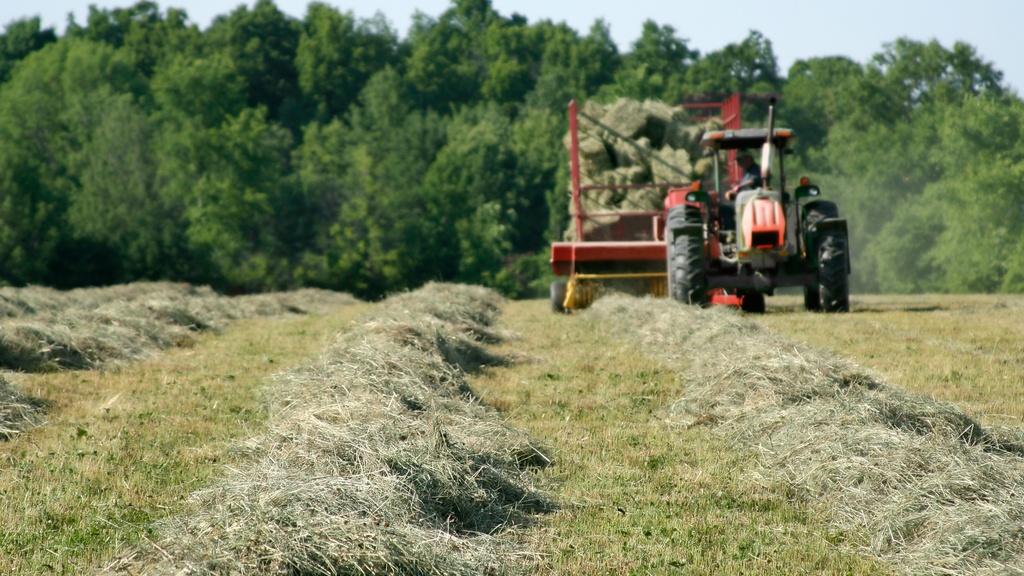
Harvest season brings a familiar rhythm to farms and ranches across the country. The success of this season relies heavily on equipment performance, particularly the hay baler. This complex machine endures immense stress while processing forage, making consistent upkeep not just a recommendation but a necessity. A well-maintained baler creates high-quality bales, reduces downtime during critical weather windows, and extends the lifespan of a significant capital investment.
Ignoring maintenance schedules can cause costly breakdowns right when the hay is ready to cut. By understanding the mechanical needs of these machines, agricultural professionals can prevent minor wear from turning into major failures. Keep reading to discover what farmers and ranchers need to maintain their hay balers, from regular maintenance to high-quality tools, and more.
Why Regular Maintenance Matters
Agricultural machinery operates in harsh environments of dust, debris, and extreme heat. Hay balers face the additional challenge of processing abrasive crop material under high tension. Neglecting routine care accelerates component wear, which directly impacts bale density and shape. Poorly formed bales can cause storage issues, spoilage, and transport difficulties.
Beyond product quality, safety remains a paramount concern. A malfunctioning baler poses significant risks to the operator. Worn bearings can overheat and ignite dry crop material, leading to devastating field fires. Regular inspections allow operators to identify and rectify these hazards before the machine enters the field.
Key Maintenance Tasks
Performing Thorough Inspections
Every maintenance session begins with a visual and tactile inspection. Operators should start at the hitch and work their way back, checking for loose bolts, missing safety shields, and structural cracks. The pickup teeth demand specific attention. Bent or missing teeth inhibit the machine’s ability to gather the crop cleanly, leaving valuable forage in the field.
Farmers must examine the bale chamber for any debris buildup that could interfere with the mechanism. Friction points can lie beneath layers of dust and debris, so compressed air or a leaf blower is essential for revealing the machine’s actual condition. Removing this debris also provides a clearer view of hydraulic lines and electrical wiring, allowing operators to confirm that no rodents have damaged lines or wiring during storage.
The Critical Role of Lubrication
Friction acts as the primary enemy of mechanical longevity. Hay balers have numerous moving parts that require proper lubrication to operate correctly. A detailed review of the operator’s manual identifies the specific grease points and recommended service intervals. While some bearings are sealed for life, many others require daily or weekly greasing.
Using high-quality grease that can withstand high temperatures and pressure protects bearings and bushings from premature failure. Operators should wipe grease zerk fittings clean before attaching the grease gun to prevent forcing dirt into the bearing. Over-greasing can be just as detrimental as under-greasing, as excess pressure can blow out seals and attract dust. Chains also require lubricants that penetrate the rollers without attracting excessive grit.
Adjusting Belts and Chains
The drive system of a baler relies on tension. Loose chains can skip teeth on sprockets, causing timing issues and severe mechanical damage. Conversely, chains that are too tight place unnecessary strain on shafts and bearings. Regular checks of chain tension ensure the machine operates smoothly.
Most balers feature spring-loaded tensioners, but these springs can fatigue over time and may need replacement. For round balers, belts play a central role in forming the bale. These belts must maintain equal length and tension to produce a uniform cylinder. If a belt stretches or breaks, it’s typically best to replace the entire set to guarantee consistent performance.
Operators should inspect belt lacing for wear and replace it before it fails during a job. This is where investing in high tensile steel lacing tools offers many benefits. Flat belts with frayed edges indicate misalignment and require immediate adjustment of the rollers to prevent further damage.
Knife Sharpening and Replacement
Balers with cutting mechanisms require sharp blades to process the crop efficiently. Dull knives tear the forage rather than cutting it, increasing the tractor’s horsepower requirement and fuel consumption. This resistance places extra stress on the entire driveline.
Operators should inspect knives daily during harvest. Sharpening can restore the edge on blades with minor wear, but severely chipped or bent knives require replacement. Keeping a spare set of sharp knives on hand allows for quick swaps in the field, minimizing downtime.
Hydraulic System Checks
Modern balers rely heavily on hydraulics to control pickup height, bale density, and tailgate operation. A healthy hydraulic system is sealed and free of leaks. Farmers must inspect hoses for signs of cracking, abrasion, or weathering. A burst hydraulic hose will halt production and can contaminate forage and soil with oil.
Fluid levels in the tractor’s reservoir must remain adequate to supply the baler’s needs. If the baler has its own hydraulic system, it is mandatory to check the oil level and filter condition. Connections should be clean and tight. Operators should also inspect hydraulic cylinders for pitting or leaking seals.
Seasonal Maintenance Tips
Pre-Season Preparation
Weeks before the first cut, farmers and ranchers need to pull their hay balers from storage to maintain them before harvest. This is the time to replace worn parts from the previous season. Inflate tires to the correct pressure, and check and repack wheel bearings if necessary. Running the baler at a low RPM while empty allows the operator to listen for unusual noises that might indicate bearing failure or misalignment. This “dry run” confirms that all systems function correctly before harvest pressure begins.
Post-Season Storage
Proper storage protects the baler from the elements and pests. Removing all hay from the chamber prevents moisture accumulation, which can cause rust and attract rodents. Using high-pressure air to clean the entire machine removes corrosive dust and sap.
Relieving tension on belts and springs reduces stress on components during the long off-season. Coating bare metal surfaces, such as the bale chamber walls and pickup bands, with a rust inhibitor or wax creates a protective barrier against oxidation. Storing the baler in a dry, enclosed shed is the most effective way to preserve its condition.
Common Issues and Troubleshooting
Even with regular maintenance, baler issues can still occur, but understanding common symptoms helps with quick diagnosis. If the baler struggles to pick up the windrow, check the pickup height or replace damaged teeth. If your baler is producing misshapen bales, and it’s not the result of driving patterns, inspect belt tension or feed intake restrictions. Problems with net wrap or twine are usually due to dull knives, debris, or incorrect tension, while overheating bearings signal internal failure or poor lubrication and require immediate attention.
Protecting the Longevity and Efficiency of Your Hay Baler
Owning and operating a hay baler requires a commitment to mechanical stewardship. The difference between a smooth harvest and one full of breakdowns typically comes down to the quality of maintenance.
By adhering to a strict regimen of inspection, lubrication, and adjustment, farmers and ranchers can protect their machinery and livelihood. Ultimately, investing time and resources in proper care keeps your equipment ready to perform at its peak, yielding high-quality forage and reliable service for years to come.