Comparing the Different Materials for Pipe Fittings
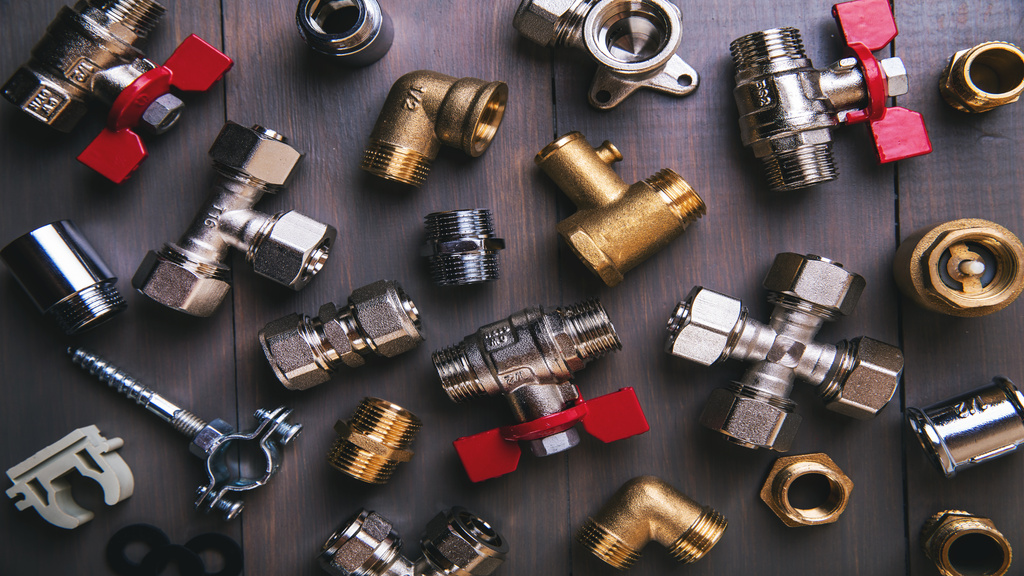
Pipe fittings connect pipe sections together, change the direction of flow, or terminate flow altogether. Choosing the right material for these fittings determines the longevity, safety, and efficiency of a plumbing or industrial system. Different applications require specific material properties to handle pressure, temperature, chemical exposure, and environmental conditions.
Engineers and plumbers must evaluate several factors before selecting a material. Metal fittings offer strength and durability for high-pressure systems, while plastic fittings provide corrosion resistance and cost savings for less demanding applications. The wrong choice leads to leaks, bursts, system failures, and expensive repairs. This article breaks down the most common materials used for pipe fittings, examining their properties, best use cases, and limitations.
Copper Fittings
Copper remains a standard in residential and commercial plumbing for water supply lines. Plumbers prefer copper because it resists corrosion and withstands heat well. It also inhibits bacterial growth, making it a safe choice for potable water.
Pros of Copper
Copper fittings offer excellent thermal conductivity and ductility. They handle freezing conditions better than rigid materials because copper can stretch slightly without breaking. Copper also lasts a long time; many installations function correctly for over 50 years. The material resists fire and does not release toxic gases when heated.
Cons of Copper
Cost presents the biggest drawback. Copper prices fluctuate based on the global metal market, often making it more expensive than plastic alternatives. Installation requires soldering, which demands specific skills and tools (like a propane torch). While push-fit copper fittings exist, they cost significantly more than standard solder fittings. Copper also reacts with certain acidic water conditions, leading to pinhole leaks over time.
PVC (Polyvinyl Chloride) Fittings
PVC fittings dominate the market for drainage, waste, and vent (DWV) systems, as well as irrigation. Manufacturers create rigid plastic fittings that are lightweight and easy to handle.
Pros of PVC
PVC offers exceptional chemical resistance. It does not rust, scale, or pit. The smooth interior surface reduces friction, maintaining steady water pressure and flow. Installation involves solvent welding (gluing), which creates a permanent, leak-proof bond without the need for heat or specialized heavy tools. PVC is also very affordable compared to metal options.
Cons of PVC
PVC has low temperature limits. It softens and deforms when exposed to hot water, making it unsuitable for hot water supply lines. It also becomes brittle when exposed to UV light for extended periods, so outdoor installations require painting or protection. PVC cannot handle high-pressure compressed air applications due to the risk of shattering.
CPVC (Chlorinated Polyvinyl Chloride) Fittings
CPVC shares many characteristics with standard PVC but undergoes a chlorination process that alters its chemical structure. This change allows CPVC to withstand higher temperatures.
Pros of CPVC
CPVC handles temperatures up to 200°F (93°C), making it suitable for both hot and cold water distribution systems. Like PVC, it resists corrosion and scaling. It is also fire-resistant and self-extinguishing. Installation uses a similar solvent cement process to PVC, keeping labor costs relatively low.
Cons of CPVC
While stronger than PVC at high temperatures, CPVC can become brittle in extremely cold environments. It also costs more than standard PVC. Some solvent cements used for CPVC release strong fumes, requiring good ventilation during installation.
PEX (Cross-linked Polyethylene) Fittings
PEX piping systems utilize fittings made from brass or high-performance polymers. PEX has revolutionized residential plumbing due to its flexibility.
Pros of PEX Fittings
PEX systems require fewer fittings overall because the flexible tubing navigates corners without elbows. When fittings are necessary, installers use crimp rings or expansion methods that are fast and reliable. PEX resists scale buildup and chlorine. It also expands if water freezes inside, reducing the risk of burst pipes.
Cons of PEX Fittings
PEX fittings, specifically the crimp style, slightly reduce the internal diameter of the pipe, potentially restricting flow if not sized correctly. The special tools required for crimping or expanding connections add to the initial setup cost for DIYers. PEX tubing itself cannot withstand direct sunlight, so exposed fittings often require protection.
Brass Fittings
Manufacturers create brass fittings from an alloy of copper and zinc. These fittings provide a middle ground between the durability of steel and the corrosion resistance of copper.
Pros of Brass
Brass offers superior durability and resists high temperatures. Its malleability allows for a tight seal in threaded connections. Brass fittings work well for water, gas, and slurries. They resist rust better than steel and offer decent strength for moderate pressure applications.
Cons of Brass
Brass costs more than steel and plastic. High-zinc brass can suffer from dezincification, where zinc leaches out of the alloy, leaving a porous copper shell that eventually leaks. Most modern plumbing codes require lead-free brass for drinking water, which increases manufacturing costs.
Stainless Steel Fittings
Industrial applications involving corrosive chemicals or extreme hygiene requirements rely on stainless steel.
Pros of Stainless Steel
Stainless steel provides exceptional strength and corrosion resistance. It withstands oxidizing acids and high pressures that would destroy other materials. It looks clean and professional, making it the standard for food processing, pharmaceuticals, and marine environments.
Cons of Stainless Steel
The material comes with a high price tag. It is difficult to machine and thread, often leading to galling (seizing) of threaded connections if the installer does not use proper lubrication or sealing tape.
Black Malleable Iron Fittings
Gas lines and fire sprinkler systems frequently use black malleable iron. The manufacturing process involves annealing cast iron to make it less brittle.
Pros of Black Iron
Black iron is incredibly strong and withstands significant mechanical stress. It handles high heat effectively, making it safe for transporting natural gas and propane. The material is readily available and relatively inexpensive for heavy-duty applications.
Cons of Black Iron
Black iron rusts easily when exposed to water or moisture. You typically cannot use it for potable water lines. Over time, internal corrosion restricts flow and contaminates the fluid. Installation requires threading machines and pipe wrenches, making it labor-intensive.
Selecting the Right Plastic for Specialized Systems
While general plumbing utilizes standard materials, specialized industrial systems often demand unique polymer blends. For example, engineers might select PVDF (polyvinylidene fluoride) or polypropylene for chemical handling. Even in niche applications, the specific grade of plastic matters. Companies manufacturing plastic valves for vacuum systems must choose materials that maintain structural integrity under negative pressure while preventing outgassing. A standard PVC fitting might collapse or release volatile compounds in a sensitive vacuum environment, whereas high-grade engineering plastics maintain the seal and system purity.
Cost vs. Longevity Analysis
The initial purchase price represents only one part of the total cost.
- Installation labor: A cheap material that takes three times longer to install often costs more in total. Push-fit fittings cost more per unit but save hours of labor.
- Maintenance: A steel system might cost less upfront than copper but require replacement in 20 years due to corrosion, whereas the copper system lasts 50.
- Failure costs: A burst fitting in a factory halts production. A leak in a wall causes thousands of dollars in mold remediation. Paying for higher quality materials acts as insurance against these catastrophic failures.
Choosing the correct fitting material for piping requires balancing physical properties, chemical compatibility, environmental factors, and budget. No single material works for every job. Understanding the specific strengths and weaknesses of copper, PVC, CPVC, PEX, brass, stainless steel, and iron ensures the system performs reliably for its intended lifespan.