Smart Tips for Finding Trustworthy Used Auto Parts
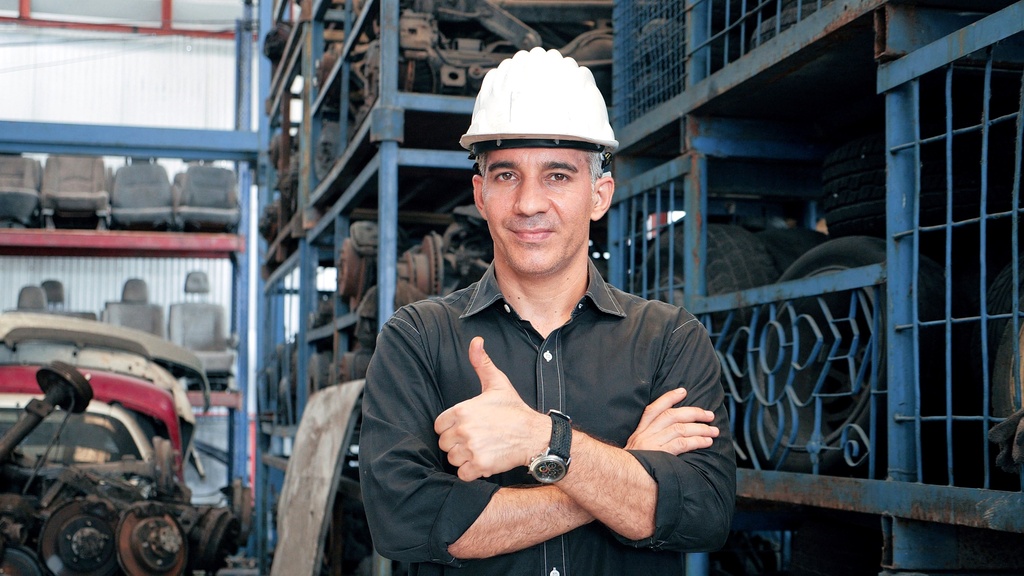
When you live on the Mississippi Gulf Coast, you must rely on your vehicle for everything from humid summer commutes down Highway 90 to weekend trips across the bayou. Keeping your car running smoothly often requires replacement parts, but buying brand-new components from the dealership can quickly drain your bank account.
Many savvy drivers turn to the secondary market to save money while keeping their vehicles reliable. However, navigating that market takes some know-how to avoid buying a lemon. Review these smart tips for finding trustworthy auto parts that will keep your ride running smoothly.
Determine Exactly What You Need
Although you may think you know your car inside and out, auto manufacturers often make subtle changes within a single production year. A transmission from a 2015 model might look identical to one from a 2016 vehicle. However, internal differences can make it incompatible.
Before you visit a salvage yard, gather every specific detail about your car. Locate your vehicle identification number (VIN) on the dashboard or inside the driver’s-side door jamb to ensure you match the exact specifications. Additionally, take photos of the broken part while it’s still installed, or bring the old part with you while shopping.
Visual comparisons help you catch small differences in mounting brackets or electrical connectors that a simple part number search might miss. Mechanics frequently see customers bring in parts that look identical at first glance but don’t fit because of a minor design change. Double-checking each detail against your VIN and engine code saves you the frustration of wasted time and return trips.
Research the Reputation of the Seller
The Gulf Coast offers plenty of options for used auto parts, from long-established salvage yards in Gulfport to online marketplaces connecting buyers and sellers in Biloxi. You should always research who you’re buying from, because part quality varies widely by source.
Reputable salvage yards and auto recyclers maintain positive reviews and use clear systems to grade inventory condition. Businesses that have operated locally for years often follow consistent practices and sell reliable products.
Online sellers require extra scrutiny since you can’t inspect items in person before paying. Check ratings on independent review sites instead of relying solely on testimonials posted on the seller’s website.
Ask questions about sourcing methods and whether the seller tests parts before listing them. Trustworthy sellers respond directly and provide additional photos when requested. If someone avoids questions or pressures you to buy quickly without details, walk away and look for a more transparent vendor.
Learn About the Part’s History
Before buying any used component, it’s important to dig into its background to know what you’re getting. Try to find out where the part came from, what kind of conditions it endured, and why the seller removed it from its original vehicle.
Was it salvaged from a flood-damaged car, removed after an accident, or did it simply come from a vehicle the owner retired for other reasons? Details like these offer valuable clues about the part’s remaining lifespan and performance potential.
Whenever possible, ask the seller for details such as the VIN or maintenance records related to the part. This is especially wise here on the Gulf Coast, where storm-damaged vehicles can end up in the used parts market. Hidden issues like corrosion from saltwater or undetected impact can lead to trouble long after installation. By tracking a part’s history, you can avoid surprises and make better decisions for your car.
Inspect for Surface Damage and Corrosion
Life near the Mississippi Sound makes salt damage a constant concern. This makes inspecting for surface damage or corrosion a smart tip for finding trustworthy used auto parts. Light surface rust usually cleans up easily, but pitting or flaking metal signals compromised strength. Pay close attention to mounting points and bolt holes to ensure they remain intact and undamaged.
Plastic components require a different approach. Sun and heat exposure make plastic brittle over time, so look for stress marks, discoloration, or hairline cracks around fasteners. A part may look fine until tightening a bolt causes it to snap. Handle each piece carefully, rotate it, and inspect every angle for signs of impact damage or environmental wear.
Test Complex Components Before Installation
Complex assemblies carry more risk than simple body panels or mirrors. You can’t always spot internal damage just by examining the exterior. Reduce that risk by performing bench tests or by having a professional perform them before installation.
For example, knowing how to test a transmission before installing it will give you greater peace of mind. Additionally, many auto parts stores will test starters and alternators for free. This proactive step serves as your final quality check before taking the part home.
Ask About Warranty and Return Policies
Even careful inspections can’t guarantee long-term performance, so always clarify warranty terms before purchasing. Reputable salvage yards and used parts dealers typically offer warranties ranging from 30 to 90 days. This window allows you to install the part and confirm it works properly under real driving conditions.
Read the fine print, especially regarding labor costs, since most warranties only cover the part itself. Some sellers offer extended warranties for an added fee, which can make sense for labor-intensive components like engines or axles. Sellers who refuse to offer any guarantee and sell parts strictly “as is” leave you assuming all the risk. A warranty reflects the seller’s confidence in their inventory.
Compare Prices Against New Aftermarket Options
Saving money motivates most used-parts purchases, but the price difference between used OEM parts and new aftermarket replacements isn’t always large. Check prices for new parts at local stores or online retailers to set a baseline.
If a used alternator costs $80 and a new one with a lifetime warranty costs $110, the extra cost may provide better long-term value. Weigh cost savings against quality for each component. A good deal saves money without sacrificing reliability, not the other way around.
Finding reliable used auto parts on the Mississippi Gulf Coast takes a balance of diligence and healthy skepticism. By verifying compatibility, researching sellers, and carefully inspecting parts, you can secure quality components that extend your vehicle’s life. These extra steps help keep your car road-ready while protecting your wallet.