An Honest Review Of The Legacy Healing Center (2026)
In the evolving landscape of addiction treatment, finding a centre that genuinely balances clinical excellence with accessibility is more difficult than it should be. Too often, people are pushed into a quiet compromise: either pay privately for something that feels comprehensive and comfortable, or rely on more limited services that may not fully address the complexity of addiction. Legacy Healing Center positions itself directly in that gap – and in 2026, it’s one of the more compelling attempts to close it.

This review takes a clear-eyed look at what Legacy offers, where it excels, and where prospective clients may want to pause and think carefully before committing.
A Different Approach to “Luxury” Rehab
The word luxury gets thrown around liberally in the rehabilitation space. In many cases, it translates to aesthetic comfort – beautiful surroundings, private rooms, curated meals – but not necessarily deeper clinical sophistication.
Legacy Healing Center takes a slightly different route. While it certainly provides a high-end environment, the emphasis leans more heavily toward medical and psychiatric credibility. This is largely shaped by the involvement of Dr. Ash Bhatt, a quintuple board-certified physician specialising in addiction medicine and psychiatry. That level of accreditation is rare, even among top-tier facilities, and it signals a program that is built with clinical rigour rather than just presentation.
This influence shows up not just in branding, but in how treatment is structured. There’s a noticeable shift away from surface-level wellness trends and toward evidence-based care, psychiatric integration, and long-term recovery planning.
The Continuum of Care: A Strong Core Offering
One of Legacy’s most important strengths is its full continuum of care. Rather than treating detox or residential rehab as a standalone solution, the program is designed as a progression.
Clients typically move through:
Medical detox, where withdrawal is managed safely under supervision
Residential treatment, offering immersive support and therapy
Partial Hospitalization Program (PHP), a step-down model with structured daily care
Intensive Outpatient Program (IOP), allowing reintegration into daily life while maintaining support
This continuity matters more than many people realise at the outset. Addiction recovery is rarely resolved in a single phase, and the abrupt transitions seen in some centres – where patients are discharged after detox or a short stay – can leave individuals vulnerable. Legacy’s model reduces that drop-off. It creates a smoother psychological and clinical transition between levels of care, which can significantly improve long-term outcomes.
Dual Diagnosis and Psychiatric Depth
A major differentiator for Legacy Healing Center is its handling of dual diagnosis cases. Many individuals entering rehab are not dealing solely with substance use; underlying mental health conditions such as depression, anxiety, PTSD, or bipolar disorder are often part of the picture.
Legacy integrates psychiatric care into its treatment framework rather than treating it as an optional add-on. This includes assessment, medication management where appropriate, and therapy designed to address both addiction and co-occurring conditions simultaneously.
That integrated approach is essential. Treating addiction without addressing mental health often leads to relapse, while treating mental health in isolation can overlook the behavioural patterns sustaining substance use. Legacy appears to understand that these threads are intertwined, and its program reflects that awareness.
Accessibility Without a Drop in Quality
Perhaps the most notable aspect of Legacy Healing Center’s model is its approach to cost. High-end rehab centres frequently operate on a cash-pay basis, which immediately limits access. Legacy, however, works with private insurance, PPO plans, and certain union benefits. This opens the door to a level of care that might otherwise be financially out of reach for many individuals.
That said, it’s worth being realistic here. Insurance coverage can vary significantly, and “accepting insurance” does not always mean minimal out-of-pocket costs. Prospective clients should still expect to navigate verification processes and potential gaps in coverage. Even so, the attempt to bridge the divide between premium care and insurance-based access is a meaningful shift in a space that has historically been quite rigid.
Environment and Experience
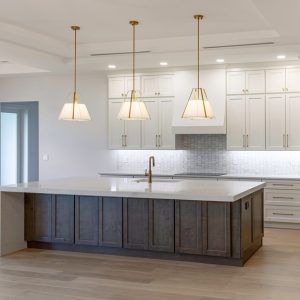
While Legacy prioritises clinical integrity, it doesn’t neglect the importance of the environment. The settings are designed to feel calm, private, and supportive – elements that can make a significant difference during early recovery. There’s a balance here that works in its favour. The environment enhances the experience without overshadowing the treatment itself. It doesn’t feel like comfort is being used as a substitute for substance, which is a trap some facilities fall into.
Relapse Prevention and Long-Term Focus
Another area where Legacy performs well is in relapse prevention planning. Rather than treating discharge as the end of treatment, the program emphasises preparation for life beyond the facility.
This includes coping strategies, continued therapy options, and structured planning around potential triggers. Combined with the step-down programs, it creates a framework that supports individuals as they transition back into their daily lives. The emphasis here is on sustainability rather than short-term success. Recovery is framed as an ongoing process, not a single milestone.
One of the most significant strengths is the level of medical oversight. Having a program shaped by a highly credentialed specialist brings a degree of credibility and depth that isn’t always present in similar centres.
The continuum of care is another standout feature. It provides a coherent journey rather than fragmented treatment, which can make a meaningful difference in outcomes.
Accessibility is also a major advantage. The ability to use insurance while still receiving a high standard of care makes Legacy a more viable option for a broader range of people.
Finally, the integration of dual diagnosis treatment ensures that clients with more complex needs are not treated in a one-dimensional way.
Points of Consideration
While Legacy Healing Center has a lot going for it, there are a couple of aspects worth considering. The first is cost transparency. As with many insurance-based programs, the final financial picture can be difficult to pin down upfront. This isn’t unique to Legacy, but it’s something prospective clients should approach with clear questions and careful verification. The second is that the “premium” positioning may not suit everyone. Some individuals prefer a more stripped-back or community-based environment rather than a high-end setting.