The Benefits of Adding a Floating Dock to Your Home
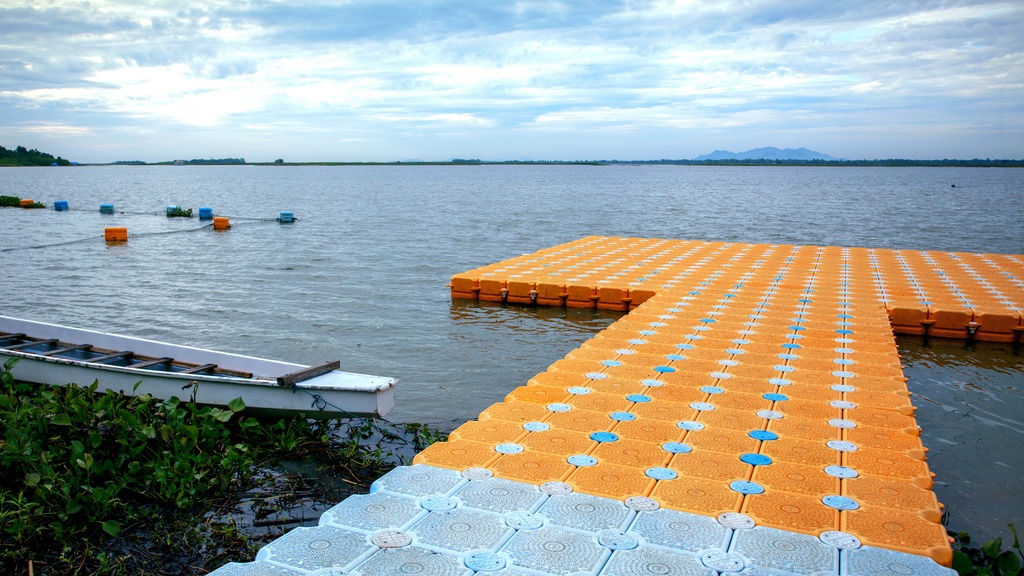
For homeowners along the Mississippi Gulf Coast, life near the water comes with both advantages and practical challenges. Tides shift, storms move through, and water levels change with the weather and season. A dock that works well in one stretch of the year may feel less reliable in another. That reality leads many waterfront property owners to take a closer look at floating dock systems.
A floating dock sits on the water’s surface and rises and falls with changing conditions. That design can create a more stable access point for boating, fishing, swimming, and day-to-day shoreline use. For homeowners in Long Beach and nearby coastal communities, that flexibility can make a big difference in both convenience and long-term usability. Keep reading to learn more about the benefits of adding a floating dock to your home.
Why a Floating Dock Fits Coastal Living
Traditional fixed docks serve many properties well, but they do not move with the water. In places where water levels shift, that can create awkward transitions from land to dock or from dock to boat. A floating dock adjusts as conditions change, which helps keep the walking surface at a more usable height.
That feature matters on the Coast, where homeowners deal with tidal movement, wind-driven water changes, and seasonal weather patterns. A dock that responds to those changes can make the waterfront feel more accessible and less complex.
Easier Access for Boats and Water Activities
Many homeowners add a dock because they want direct access to the water. They may launch a kayak before sunrise, tie up a small boat after a trip across the bay, or give children a place to fish in the afternoon. A floating dock can support all of those uses with less strain during boarding and unloading.
Because the dock moves with the surface, the step from boat to dock tends to stay more manageable. That can improve comfort and reduce the awkward gap that fixed structures sometimes create. For families, that consistent access can make water activities feel simpler and safer.
The dock can also become a flexible platform for recreation. Some homeowners use it as a launching point for paddleboards and personal watercraft. Others treat it as an extension of the yard, with room to sit, cast a line, or watch the sunset. A dock that handles multiple uses adds more value than one that serves only a single purpose.
A Design That Adapts to Changing Water Levels
One of the biggest benefits of adding a floating dock to your home is its ability to adjust. On the Gulf Coast, that matters. Rainfall, tides, and wind can all change shoreline conditions. A dock that rises and falls with the water can stay functional across a wider range of conditions.
That does not remove every maintenance or weather concern, but it does address one of the most common frustrations with waterfront structures. Homeowners do not want a dock that feels too high one week and too low the next.
A floating system can also help support consistency in appearance and use. When the dock aligns with the water’s surface, it creates a cleaner transition from shore to platform. That can improve comfort for daily use and reduce stress for guests who may not know the property as well as the owner does.
A Smart Option for Homeowners Who Want Flexibility
Some homeowners know exactly how they plan to use a dock. Others discover new uses after installation. A floating dock can give them more room to adapt. Many systems allow for modular layouts, which means a property owner may be able to expand, reconfigure, or customize the dock over time.
That flexibility can matter when household needs change. A family may begin with a simple platform for fishing and later add sections for seating, boat access, or water toys. A retired homeowner may want a lower-maintenance design that still supports time on the water without requiring a major overhaul of the shoreline.
Comfort and Stability for Everyday Use
A dock should feel usable on an ordinary Tuesday, not just on a perfect weekend. That means the surface should support everyday movement with confidence. A floating dock that stays level with the water can improve that daily experience.
Comfort matters because a dock becomes part of the home’s routine. When it feels stable and easy to use, people use it more. They head outside for a quick cast before dinner, rinse off after a swim, and can tie up a boat without turning the task into a chore. The more usable the dock feels, the more connected the property becomes to the water itself.
Potential Value for Waterfront Appeal
A well-chosen dock can also strengthen a home’s appeal. Waterfront buyers tend to notice practical outdoor features, and a dock can signal that the property is ready for real coastal living. That does not guarantee a certain resale value, but it can add to the property’s usefulness and visual appeal.
A floating dock can also give the shoreline a more polished, intentional look. Instead of treating the water’s edge as a difficult boundary, the dock turns it into a usable feature. That shift can change how homeowners view their own property. The shoreline stops being something to manage from a distance and becomes part of daily life.
For local homeowners who invest in outdoor spaces, that matters. A dock can complement patios, decks, and backyards by connecting them to the water in a direct and functional way.
What Homeowners Should Consider Before Installation
A floating dock still requires planning. Homeowners should think about shoreline conditions, anchoring needs, intended use, and local permitting requirements before moving forward. They should also consider how the dock will perform during rough weather and what maintenance schedule makes sense for the property.
One thing that many homeowners enjoy about floating, modular docks is that they can install them themselves. With the right must-have tools for a floating dock installation, homeowners can put in their new dock quickly and start using it in no time.
The best results usually come from matching the dock design to the site, not from forcing a standard solution onto every shoreline. A narrower access point may work for one property, while another may need a broader platform for family use or boat traffic. Clear goals lead to better decisions.
A Better Connection to the Water
For many Gulf Coast residents, the real value of a dock has less to do with hardware and more to do with access. A dock creates a direct link between home and water. A floating system can make that link feel more reliable, more comfortable, and easier to use across changing conditions.
That combination explains why so many homeowners consider floating docks when they want to improve their shoreline. The design offers flexibility, supports recreation, and helps turn the waterfront into a more active part of daily life. For a home in Long Beach or elsewhere along the Coast, that can be a meaningful upgrade.