Could Your Workplace Handle a Medical Emergency?
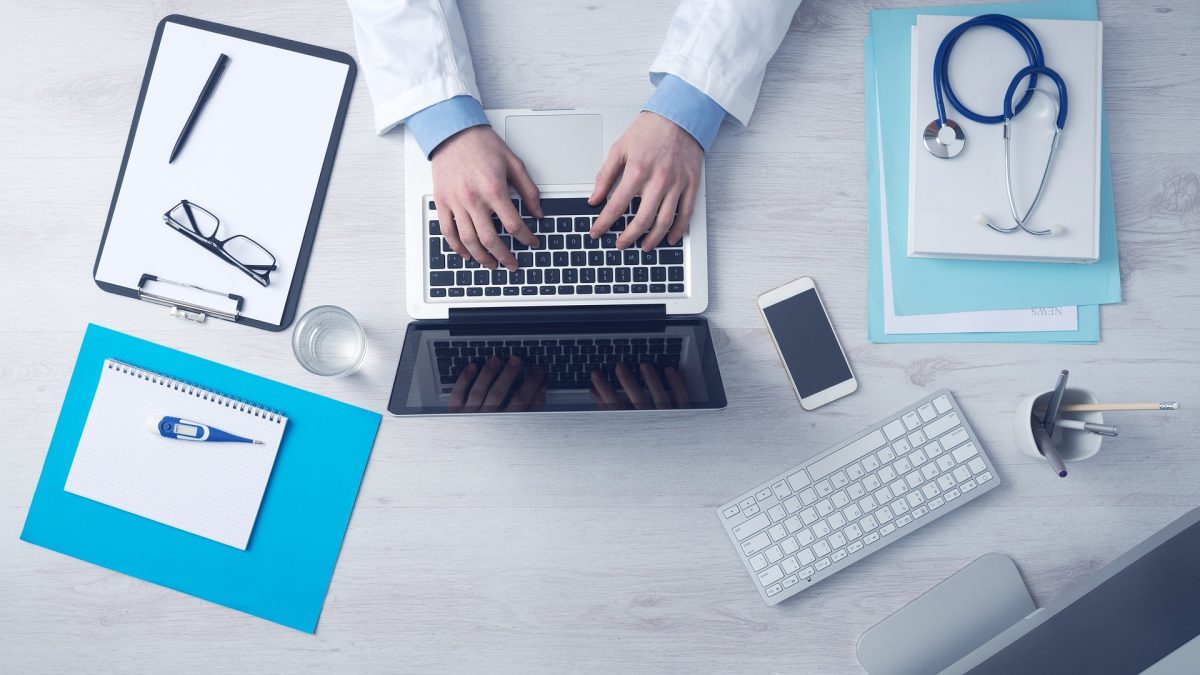
Most people do not expect that a medical emergency would happen when a normal workday is underway. Workplaces, community centers, fitness facilities as well as public venues can all experience unexpected health emergencies at just about any time.
When these situations happen, actions that are taken during those very first few minutes can have a big impact on outcomes. While no organization will be able to predict exactly when an emergency is going to happen, every organization can take the steps they need to improve their level of preparedness.
Being ready involves more than simply just hoping for the best. It requires training and planning.
Emergencies can happen anywhere
Medical emergencies are not just limited to hospitals or even healthcare facilities. Breathing problems, falls and even cardiac events can often happen in a variety of environments. Employees, students, community members as well as customers may all be affected by this.
Since emergencies are often unexpected, organizations need to be prepared well in advance so that they are better positioned to respond in an effective manner. Preparation will help to reduce confusion and will also support faster action when every second is important.
Equipment is only part of the solution
Having access to emergency equipment is extremely critical, however equipment alone is not going to be enough. Devices must be properly maintained, readily available as well as regularly inspected.
Organizations will also need to ensure that their staff understands exactly how emergency resources are going to fit into their broader response plan. Without proper oversight, even the most valuable equipment may not be able to provide the intended benefits when there is a crisis.
Preparedness involves training, the right equipment and planning so that the approach is coordinated.
Ongoing readiness
One challenge many organizations tend to face is maintaining readiness as time goes on. Equipment inspections, compliance requirements, and maintenance schedules all require the ongoing attention of an organization. For this reason, many organizations have chosen a full-service rental program.
This helps to simplify their equipment management while still supporting your long-term preparedness. Programs that include maintenance as well as support will help to ensure important resources are available and ready to use at any time.
Consistent attention to readiness will often improve preparedness.
Creating a safer environment
Preparedness is not just about responding to emergencies. It’s also about ensuring you’re creating an environment where employees, visitors and customers all feel safe and supported. Organizations that are able to prioritize safety will usually demonstrate a commitment to the well-being of everyone that enters through the doors of their facilities.
This kind of focus can strengthen trust while still contributing to a very positive workplace culture.
Many organizations tend to invest considerable efforts in their daily operations, business growth as well as customer service. However, it is also important to consider just how prepared the organization would be if there is a serious medical emergency. The question is not whether emergencies are going to be convenient because they rarely are. The real question is whether people, and resources that are needed to respond effectively are going to be in place.