Key Factors That Influence Soil Health Over Time
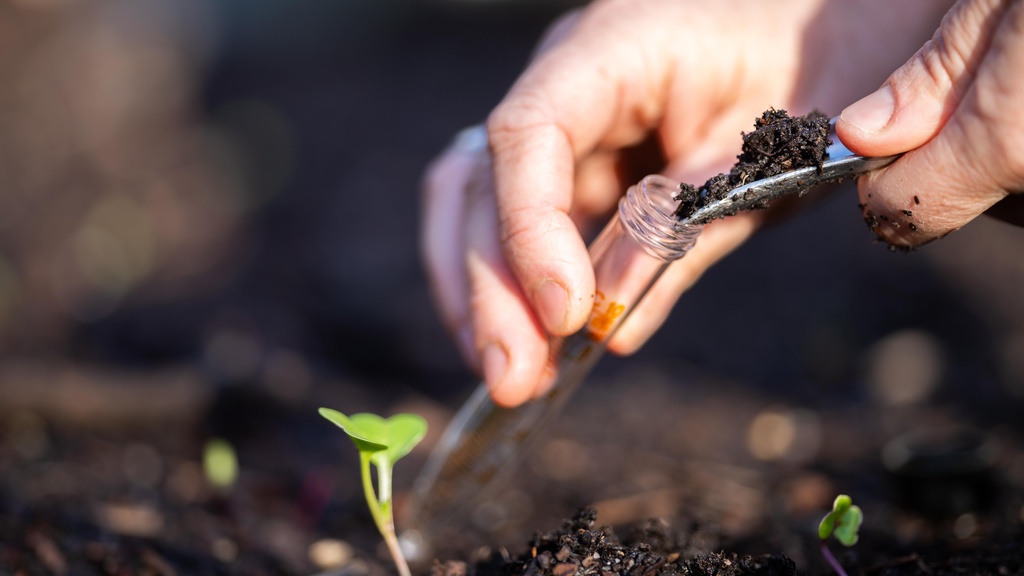
Healthy soil is one of the most valuable natural resources on the planet. It supports agriculture, helps regulate water cycles, stores carbon, and provides a habitat for countless organisms. Yet soil health is not something that remains constant. It evolves over time based on how the land is managed and how environmental factors interact with the soil ecosystem. Whether the goal is growing crops, maintaining landscapes, or preserving natural habitats, understanding key factors that influence soil health over time is essential for long-term success.
While some changes occur naturally, human decisions often play a major role in determining whether soil becomes more productive or gradually degrades. By focusing on practices that support soil structure, fertility, and biological activity, land managers can create healthier and more resilient soils.
Organic Matter and Soil Structure
Organic matter is often considered the foundation of healthy soil. It consists of decomposed plant material, animal residues, microorganisms, and other natural substances that contribute to soil fertility and stability. As organic matter accumulates, it improves the soil’s physical, chemical, and biological properties.
One of the greatest benefits of organic matter is its ability to improve soil structure. Well-structured soil contains a balance of large and small pores that allow water and air to move efficiently. This creates an ideal environment for root growth and microbial activity.
Organic matter also acts like a sponge, helping soil retain moisture during dry periods while improving drainage during wet conditions. This balance is particularly important in regions that experience fluctuating weather patterns. Soils with higher organic matter levels are generally better equipped to withstand droughts and heavy rainfall events.
Adding compost, planting cover crops, leaving crop residues in place, and reducing excessive tillage are all effective ways to build organic matter over time. Although these improvements may occur gradually, they often lead to significant long-term benefits for soil health and productivity.
Nutrient Balance and Fertility
Plants depend on a wide range of nutrients to complete their life cycles. Nitrogen, phosphorus, and potassium receive the most attention because they are required in relatively large quantities, but calcium, magnesium, sulfur, and various micronutrients are equally important for supporting healthy growth.
Over time, crops remove nutrients from the soil. Rainfall can also cause nutrients to leach below the root zone, while erosion can carry nutrient-rich topsoil away from productive areas. Without proper management, these losses can reduce soil fertility and limit plant performance.
Regular soil testing provides valuable information about nutrient availability and soil chemistry. By identifying deficiencies or imbalances, land managers can apply fertilizers and soil amendments more precisely. Understanding chemicals commonly used in fertilizers can also help guide nutrient management decisions and improve the effectiveness of fertility programs.
Balanced fertility supports healthy plant growth while reducing the risk of nutrient runoff and environmental contamination. Rather than applying nutrients on a fixed schedule, successful soil management often relies on matching nutrient applications to actual soil conditions and crop requirements.
Water Management Practices
Water availability has a direct impact on nearly every aspect of soil health. Soil organisms require moisture to survive, plant roots depend on water to absorb nutrients, and chemical processes within the soil are influenced by moisture levels.
Poor water management can create a variety of challenges. Excessive irrigation may lead to waterlogged conditions that reduce oxygen levels in the soil. When oxygen becomes limited, beneficial organisms can decline, and plant roots may struggle to function properly. On the other hand, prolonged drought can reduce biological activity and slow the breakdown of organic matter.
Erosion is another major concern related to water. Heavy rainfall can wash away topsoil, removing valuable nutrients and organic matter. Once topsoil is lost, rebuilding soil productivity can take many years.
Practices such as mulching, cover cropping, contour farming, and maintaining vegetation buffers can help reduce erosion and improve water infiltration. Efficient irrigation systems that deliver water directly to plant roots can also minimize waste while supporting healthy soil conditions.
Over the long term, effective water management helps maintain soil structure, supports biological activity, and protects valuable soil resources.
Biological Activity Below the Surface
Healthy soil is alive with activity. A single teaspoon of productive soil can contain billions of microorganisms, including bacteria, fungi, protozoa, and other microscopic organisms. Larger organisms such as earthworms, insects, and nematodes also contribute to soil function.
These organisms play a crucial role in nutrient cycling. As they break down organic materials, nutrients become available for plant uptake. Many microorganisms also form beneficial relationships with plant roots, helping crops access nutrients and water more efficiently.
Mycorrhizal fungi are a well-known example of this partnership. These fungi connect to plant roots and extend their reach into the surrounding soil, increasing access to nutrients that might otherwise remain unavailable.
Soil biodiversity contributes to resilience as well. Diverse biological communities are often better able to recover from environmental stresses and support long-term productivity. Practices that reduce unnecessary soil disturbance and encourage organic matter accumulation tend to promote healthier biological communities.
Protecting soil life is an important aspect of maintaining overall soil health and ensuring that natural nutrient cycling processes continue to function effectively.
The Impact of Erosion
Erosion is one of the most significant threats to soil health worldwide. Wind and water can gradually remove the most productive layer of soil, reducing fertility and limiting agricultural potential.
Topsoil contains much of the organic matter, nutrients, and biological activity that support plant growth. When erosion removes this layer, crops often become more dependent on external inputs to maintain productivity.
Preventing erosion requires a combination of strategies. Maintaining vegetation cover helps protect the soil surface from wind and rainfall. Cover crops can reduce soil exposure during periods when primary crops are not actively growing. Conservation tillage practices also help preserve soil structure and reduce erosion risks.
Although erosion can occur slowly, its effects accumulate over time. Protecting topsoil is one of the most effective investments in long-term soil health.
Crop Diversity and Rotation
Growing the same crop repeatedly in the same location can place stress on soil resources. Continuous monocropping often increases pest pressure, reduces biodiversity, and contributes to nutrient imbalances.
Crop rotation helps address these challenges by varying the demands placed on the soil. Different crops use nutrients differently and develop unique root systems that influence soil structure. Some crops, such as legumes, can even contribute nitrogen to the soil through natural biological processes.
Diverse crop rotations often improve soil health by encouraging a wider range of microorganisms and reducing the buildup of pests and diseases. They can also improve nutrient efficiency and reduce the need for certain agricultural inputs.
Over time, crop diversity contributes to a more balanced and resilient soil ecosystem.
Long-Term Management Decisions Matter
Many of the factors affecting soil health operate gradually. The consequences of management decisions may not be immediately visible, but they often become apparent over months, years, or even decades. Practices that preserve organic matter, reduce erosion, support biological activity, and maintain nutrient balance generally produce the strongest long-term results.
Understanding key factors that influence soil health over time allows farmers, landowners, and land managers to make informed decisions that benefit both productivity and environmental sustainability. Healthy soils support stronger plant growth, improved water management, and greater resilience to changing conditions.
By viewing soil as a living resource rather than simply a growing medium, it becomes possible to create management strategies that preserve its value for future generations. The investments made in soil health today can continue to produce benefits long into the future, supporting productive landscapes and sustainable agricultural systems for years to come.