Protecting Your Property From Seasonal Water Damage
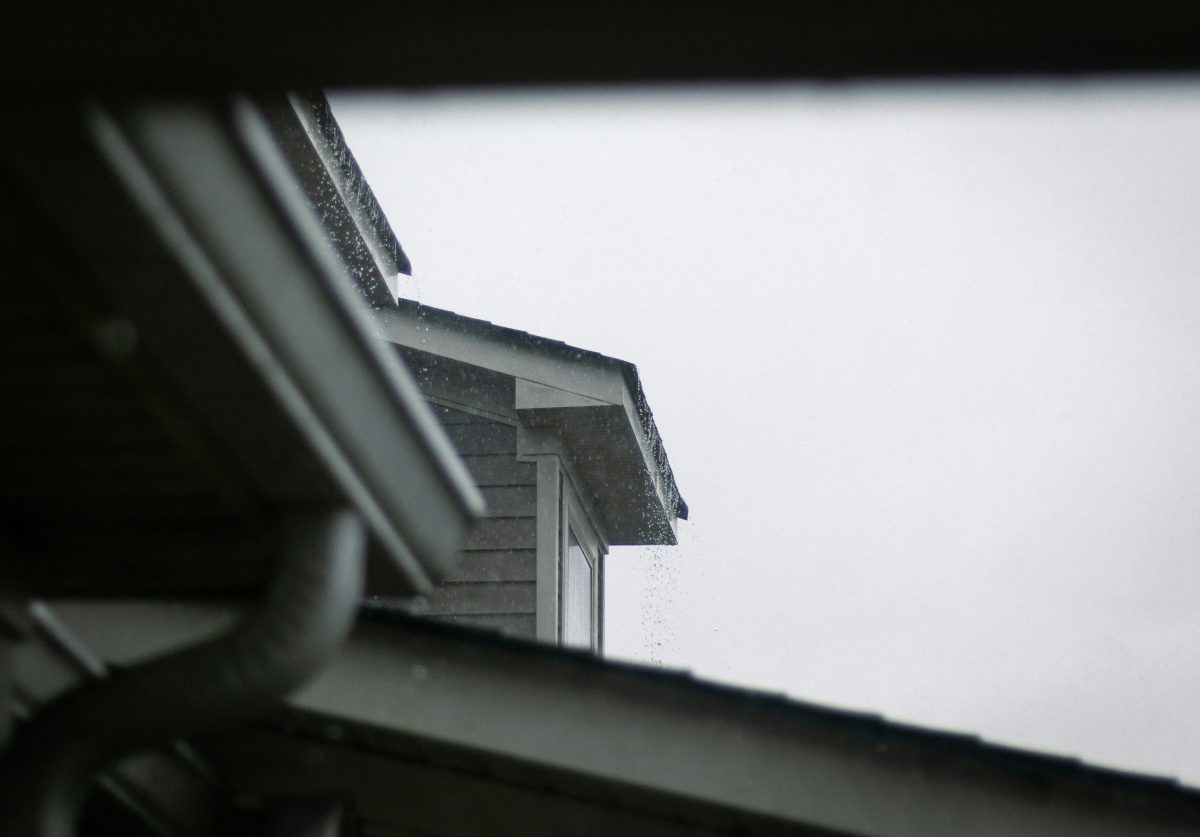
Canada’s changing seasons bring their own kind of beauty, but they also bring a constant threat to your property: water damage. From spring thaws and heavy summer rains to autumn downpours and winter ice dams, water is always looking for a way into your home. Keeping your property safe from this relentless force means staying alert and doing regular upkeep. A little effort all year long can save you thousands in repairs and protect your home’s value and safety.
Understanding Water’s Impact
Water damage isn’t just a damp spot on the ceiling or a puddle in the basement. When moisture gets into your home’s structure, it can cause a whole lot of serious problems. Wood framing can rot, making your house less stable. Drywall can get soft and fall apart, and insulation stops working when it gets wet. One of the biggest dangers is mould and mildew growth, which can start within 24 to 48 hours of getting wet. This doesn’t just damage surfaces; it can also lead to bad indoor air quality and potential health problems for your family. Over time, ongoing water issues can even wear away your home’s foundation, causing cracks and instability.
The Role of Eavestrough Cleaning
Your home’s eavestrough system is the main way it defends against rainwater. It’s built to collect water from the roof and guide it safely away from the foundation. But when gutters get clogged with leaves, twigs, and other debris, they can’t do their job. Water will back up, overflowing the sides and running down your home’s exterior. This overflow can soak the ground next to your foundation, seep into your basement, and damage your siding and landscaping. Regular professional eavestrough cleaning is key to making sure water flows freely and goes where it should, stopping it from pooling where it can do the most harm.
Seasonal Maintenance Checklist
Staying on top of potential water issues is easier if you have a plan. Setting up a schedule for your exterior home maintenance helps make sure you don’t forget important tasks throughout the year. A good seasonal maintenance checklist is super helpful for any homeowner. Here are some key things you should do:
- Spring: Check for any roof damage from the winter. Test your sump pump to make sure it’s ready for spring rains. Clean out eavestroughs and downspouts from winter debris.
- Summer: Look for leaks around windows and air conditioning units. Check your basement or crawl space for any signs of dampness or musty smells.
- Autumn: This is the most important time for cleaning gutters, as trees drop their leaves. Make sure downspouts are clear and extend at least two metres from your foundation.
- Winter: Watch out for ice dams forming on the edge of your roof, which can push water back under your shingles.
Inspecting Your Home’s Exterior
Just walking around your property can tell you a lot about how vulnerable it is to water. Start by looking at the ground right around your foundation. The soil should slope away from the house, not towards it. If you see water pooling or low spots near the walls, you might need to add soil to improve the grading. Next, check the foundation itself for any visible cracks. Small hairline cracks can be normal, but larger or horizontal cracks should be looked at by a professional. Also, inspect your window wells to make sure they’re clear of debris and drain properly. Damaged or poorly sealed windows and doors are another common way water gets in.
Long-Term Prevention Strategies
While seasonal upkeep is crucial, some long-term strategies can offer a stronger defence against water getting in. If you constantly have issues with a wet basement, think about professional basement waterproofing, which involves putting a sealant on the inside or outside of your foundation walls. Installing a French drain around your property’s edge can also be an effective way to direct groundwater away from your home. A thorough spring maintenance checklist is a great time to figure out if these bigger projects are needed. Upgrading older windows and making sure your roof is in good shape are other long-term investments that really pay off in keeping your home dry and secure.
Ultimately, being proactive is the best approach. Regularly checking your property and doing routine maintenance will help you catch small problems before they become expensive disasters, keeping your home safe and dry for years to come.