How Better Prints Save Time on Job Sites Today
Every construction project depends on clear communication, yet many delays begin with something as simple as a printed drawing that doesn’t hold up in the field. Smudged lines or difficult-to-read details force crews to stop and ask questions. Those interruptions add up faster than many people realize. When you focus on better prints from the start, you give everyone on the job site the confidence to keep work moving.
Clear Plans Keep Work Moving
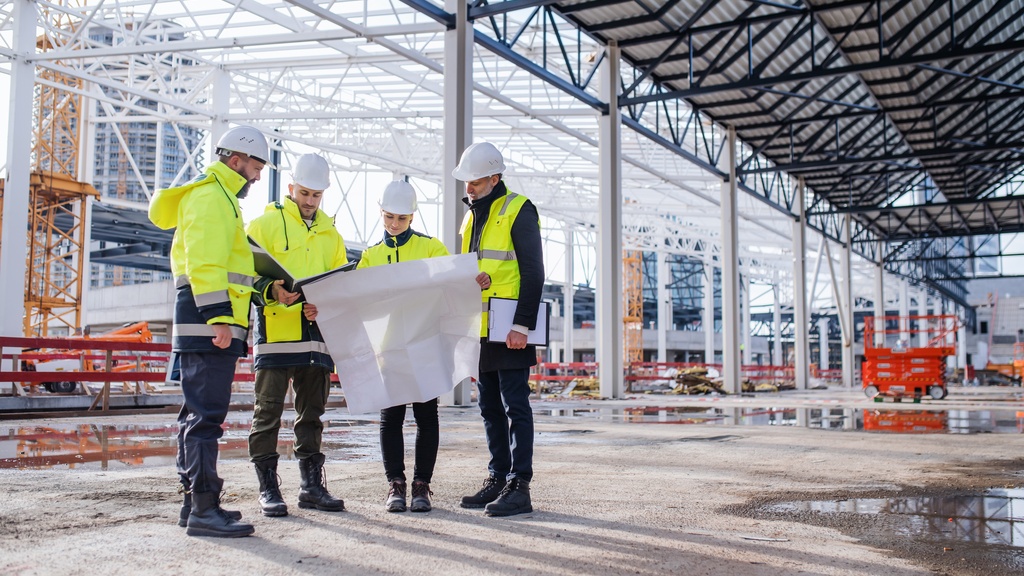
Construction crews make decisions throughout the day based on printed plans. They reference measurements, verify layouts, and confirm installation details before moving forward. When every page remains easy to read, workers spend less time second-guessing what they see and can complete the task in front of them.
Saving time at job sites with better prints becomes more than a helpful idea once deadlines tighten. Reliable documents reduce unnecessary conversations because everyone works from the same information. That consistency helps projects stay organized from the first morning meeting until the final walkthrough.
Every Detail Matters
A single blurred note can create confusion that spreads through the entire schedule. One crew might interpret a drawing differently than another, which creates extra work that nobody planned for. Clear prints eliminate many of those misunderstandings before they affect productivity.
Small Printing Problems Become Delays
Minor print issues can become a point of concern on an active job site. A faint dimension or bleeding line might seem insignificant in the office, but those flaws become much harder to interpret outdoors under changing lighting conditions. Workers often pause to verify information rather than risk making an expensive mistake.
Those interruptions affect more than one person. Supervisors answer additional questions, subcontractors wait for confirmation, and schedules begin to shift. Better print quality keeps information accessible throughout the day, allowing each team to continue working without unnecessary interruptions.
Paper Quality Supports Accuracy
People adjust printer settings when they notice poor print quality, yet the paper itself influences the result just as much. Different materials absorb ink differently, which affects line sharpness and readability. When technical drawings require precise dimensions, choosing the right media has a noticeable impact.
Understanding those differences helps explain why certain drawings remain crisp while others show feathering around important details. A closer comparison between drafting paper and bond paper highlights why line quality changes from one material to another, especially when technical accuracy matters on construction documents.
Consistency Builds Confidence
Workers trust documents that are clear from corner to corner. Strong print consistency allows measurements, annotations, and symbols to stay readable throughout repeated handling. That confidence reduces hesitation because crews know they can rely on what appears on the page.
Weather Creates Extra Challenges
Job sites don’t provide controlled office conditions. Sunlight, humidity, dust, and frequent handling all place extra demands on printed documents throughout the day. Prints that look acceptable indoors may become much harder to read after several hours outside.
Construction professionals throughout the Mississippi Gulf Coast understand these conditions especially well. Coastal humidity and changing weather create additional challenges that reward careful preparation. Durable, legible prints continue supporting productivity despite those environmental factors.
Field Conditions Change Quickly
Crews rarely have the luxury of returning to the office whenever questions arise. They need plans that remain dependable from the moment work begins. Better print quality supports faster decisions because information is available when people need it most.
Digital Files Can’t Replace Every Print
Many construction teams rely on digital plans throughout the workday, yet printed drawings continue to solve problems that screens can’t always address. Workers often compare multiple sheets at once or reference plans where glare and battery life become obstacles. A well-printed document keeps critical information accessible without depending on technology.
Printed plans also encourage faster collaboration during site discussions. Several people can review the same drawing at once without passing around a tablet or waiting for someone to zoom into a specific detail. That shared view helps conversations reach decisions more efficiently while keeping everyone focused on the work ahead.
Better Communication
Every successful project relies on communication between contractors and engineers. Printed plans often serve as the common reference that keeps everyone aligned despite different responsibilities. When those documents provide clear communication, conversations become shorter and far more productive.
Misunderstandings frequently begin when people interpret the same drawing differently. Sharp lines and readable notes remove much of that uncertainty before it grows into a scheduling issue. Better documents strengthen communication without adding extra meetings or lengthy explanations.
Time Saved Protects Budgets
Construction schedules rarely include room for unnecessary delays. Every additional hour spent resolving preventable questions increases labor costs while pushing other work further behind schedule. High-quality prints help teams spend their time building instead of troubleshooting documentation.
Those improvements create financial value beyond the printing process itself. Fewer interruptions allow everyone to remain productive throughout the day. Project managers appreciate that consistency because reliable schedules make planning future work much easier.
The greatest time-saving benefits often come from simple habits that improve print quality before crews arrive on site:
- Printing documents at their intended scale before distribution
- Checking line clarity before leaving the office
- Replacing pages that show faded or inconsistent ink
- Protecting drawings during transportation and storage
- Using paper that maintains sharp technical details
It Pays Off To Plan Ahead
Preparation solves problems long before equipment reaches the job site. Reviewing printed plans before distribution allows project leaders to catch readability issues while solutions remain simple. That extra attention prevents avoidable delays after construction begins.
Planning also creates confidence throughout the entire team. Workers worry less about verifying information because they trust the documents they receive. That trust encourages steady progress without sacrificing accuracy.
Closing Thoughts
Construction efforts succeed when information remains clear throughout the duration of the project. Strategic printing practices create reliable documents that guide every phase of the work, reducing confusion while supporting faster decisions across the entire team. Small improvements at the printer often create meaningful gains once crews begin to build.
Using better prints to save time on job sites reflects a practical approach rather than a complicated strategy. Clear drawings help contractors, architects, and homeowners communicate with greater confidence while reducing unnecessary delays. Paying closer attention to print quality give every job site a stronger foundation for success.