The Latest Innovations in the Construction Industry
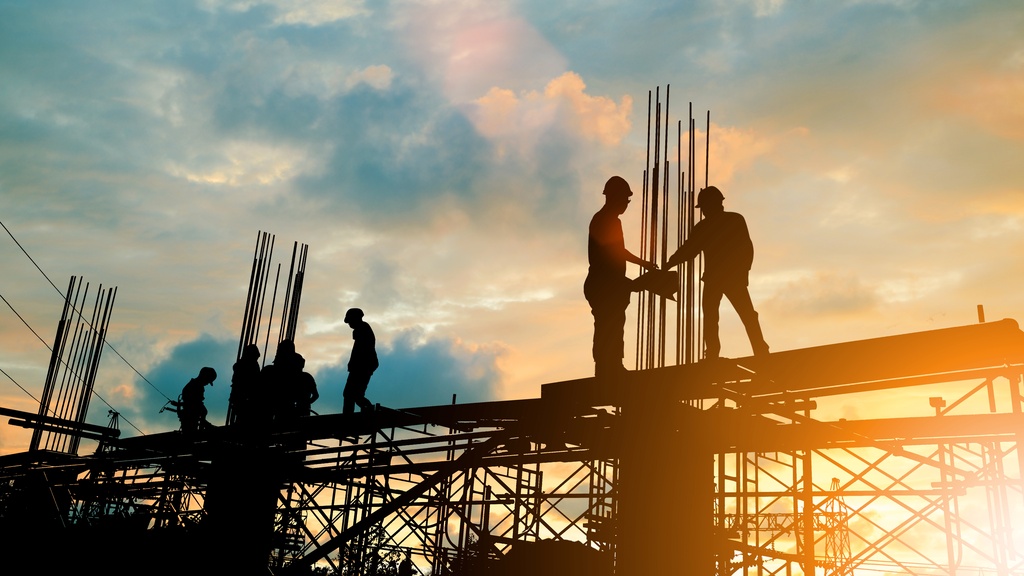
Construction continues to evolve as new technology, smarter materials, and better planning methods reshape how projects move from concept to completion. Contractors, developers, architects, and property owners all benefit from solutions that improve efficiency, reduce waste, and strengthen safety. While skilled labor and quality craftsmanship remain essential, modern tools now support workers in ways that seemed impossible just a few years ago. Understanding today’s innovations helps businesses stay competitive, complete projects faster, and deliver better results without sacrificing quality.
Digital Planning Makes Projects More Efficient
Digital design tools have transformed the planning stage of construction. Building Information Modeling (BIM) allows architects, engineers, and contractors to collaborate using detailed three-dimensional models before work begins.
Instead of relying on separate drawings that create confusion, teams can review a shared model that highlights potential conflicts early. That process helps reduce costly mistakes during construction and improves communication between everyone involved.
Cloud-based project management software also keeps schedules, budgets, and documentation organized in one location. Team members can access updated information from the office or the jobsite, making decisions faster and minimizing delays.
Drones Improve Jobsite Visibility
Drones have become valuable tools for projects of every size. Contractors use them to capture aerial images, monitor progress, inspect difficult-to-reach areas, and survey land more efficiently than traditional methods.
Regular drone flights provide accurate progress reports that help project managers compare completed work with project timelines. These images also support communication with clients by providing visual updates throughout construction.
Additional drone benefits include:
- Faster site surveys
- Improved safety during inspections
- More accurate topographical data
- Better documentation for project records
- Easier tracking of construction milestones
As drone technology continues to improve, companies gain even more detailed data while reducing labor requirements for inspections.
Smart Equipment Increases Productivity
Construction equipment has become much more intelligent over the past decade. Modern excavators, bulldozers, and graders often include GPS guidance systems that help operators maintain accurate grades with fewer adjustments.
Machine control technology improves precision while reducing material waste. Operators can complete excavation and grading work more efficiently because onboard systems provide real-time positioning data.
Some equipment manufacturers also include remote monitoring systems that track fuel consumption, maintenance schedules, engine performance, and operating hours. Fleet managers can identify problems early, schedule maintenance before breakdowns occur, and maximize equipment uptime.
Robotics Continue Expanding Across Construction
Automation now supports several repetitive construction tasks. Bricklaying robots, robotic demolition equipment, and automated material handling systems help crews complete physically demanding work more efficiently.
Rather than replacing skilled workers, these technologies allow experienced professionals to focus on more specialized responsibilities that require judgment and technical expertise.
Robotic systems also reduce worker fatigue during repetitive activities, improve consistency, and help companies address ongoing labor shortages across the industry.
As technology advances, contractors will likely find additional opportunities to integrate robotics into everyday operations.
Sustainable Building Materials Gain Momentum
Environmental concerns continue driving innovation throughout construction. Manufacturers now produce building materials that reduce environmental impact without compromising durability or performance.
Recycled steel, reclaimed wood, low-carbon concrete, and engineered lumber all provide practical alternatives for many projects. These materials help reduce waste while supporting sustainability goals.
Many companies also choose insulation products that improve energy efficiency, allowing buildings to consume less energy throughout their lifespan.
Sustainable construction no longer represents a niche market. Many commercial and residential clients actively seek environmentally responsible building practices when selecting contractors.
Modular Construction Saves Time
Modular construction has gained significant popularity because it shortens project timelines while maintaining consistent quality.
Instead of completing every phase on-site, manufacturers construct building sections inside controlled facilities. Crews then transport completed modules to the project location for assembly.
This approach offers several advantages:
- Less weather-related downtime
- Better quality control
- Reduced material waste
- Faster project completion
- Improved worker safety
Manufacturing building components indoors also creates more predictable production schedules compared with traditional construction methods.
Better Building Systems Simplify Expansion
Businesses and property owners increasingly look for flexible building solutions that support future growth. Manufacturers now design structures with expansion and customization in mind, allowing owners to adapt buildings as their needs change.
Many organizations choose pre-engineered building kits because they provide efficient construction options for warehouses, manufacturing facilities, agricultural buildings, workshops, and commercial properties. These systems simplify planning while reducing construction time through precisely manufactured components.
Flexible structural designs also allow companies to expand facilities without starting entirely new construction projects, creating long-term value for growing businesses.
Artificial Intelligence Supports Better Decisions
Artificial intelligence has entered construction in practical ways that improve project management rather than replacing human expertise.
AI-powered software analyzes historical project data to estimate timelines, identify scheduling conflicts, forecast material needs, and predict potential risks before they become major problems.
Project managers use these insights to make informed decisions throughout every phase of construction.
Artificial intelligence also assists with document management by organizing contracts, change orders, inspection reports, and project records more efficiently than traditional filing systems.
As more construction companies collect digital project data, AI tools will continue delivering increasingly valuable recommendations.
Wearable Technology Improves Jobsite Safety
Safety remains one of the industry’s highest priorities, and wearable technology continues supporting safer jobsites.
Smart helmets, connected safety vests, and wearable sensors monitor worker movement, environmental conditions, and physical strain throughout the workday.
Some devices alert supervisors when workers enter hazardous areas or when equipment operates nearby. Others monitor heat exposure and fatigue levels to reduce the risk of injuries during demanding conditions.
Construction companies also use mobile safety applications that simplify inspections, hazard reporting, and compliance documentation, allowing supervisors to respond quickly when issues arise.
These innovations strengthen safety programs while encouraging greater accountability across every project.
Advanced Materials Deliver Better Performance
Material science continues producing products that perform better under demanding conditions.
High-performance concrete offers greater strength while reducing maintenance requirements over time. Self-healing concrete incorporates specialized materials that seal small cracks before they expand into larger structural problems.
Manufacturers also continue developing stronger composite materials, corrosion-resistant coatings, and advanced waterproofing systems that extend the lifespan of buildings and infrastructure.
Improved roofing systems, high-performance glass, and energy-efficient exterior materials further enhance building performance while lowering long-term operating costs.
As these products become more widely available, contractors gain additional options for delivering durable, efficient structures.
What Construction Companies Should Watch Next
Innovation shows no signs of slowing. Companies that remain open to new technology often position themselves for stronger growth, greater efficiency, and improved customer satisfaction.
Several trends will likely shape construction over the coming years, including expanded automation, wider adoption of digital twins, more connected equipment, improved energy-efficient materials, and smarter project analytics. Continued investment in workforce training will remain equally important because technology delivers the greatest value when skilled professionals know how to use it effectively.
The construction industry has always adapted to changing demands, and today’s innovations continue that tradition. Businesses that embrace practical technology, modern materials, and smarter planning methods can improve productivity, strengthen safety, reduce costs, and deliver higher-quality projects for clients. By combining proven craftsmanship with forward-thinking solutions, construction professionals can build stronger, more efficient structures while preparing for the industry’s next generation of innovation.