Essential Gear Every Professional Arborist Should Have
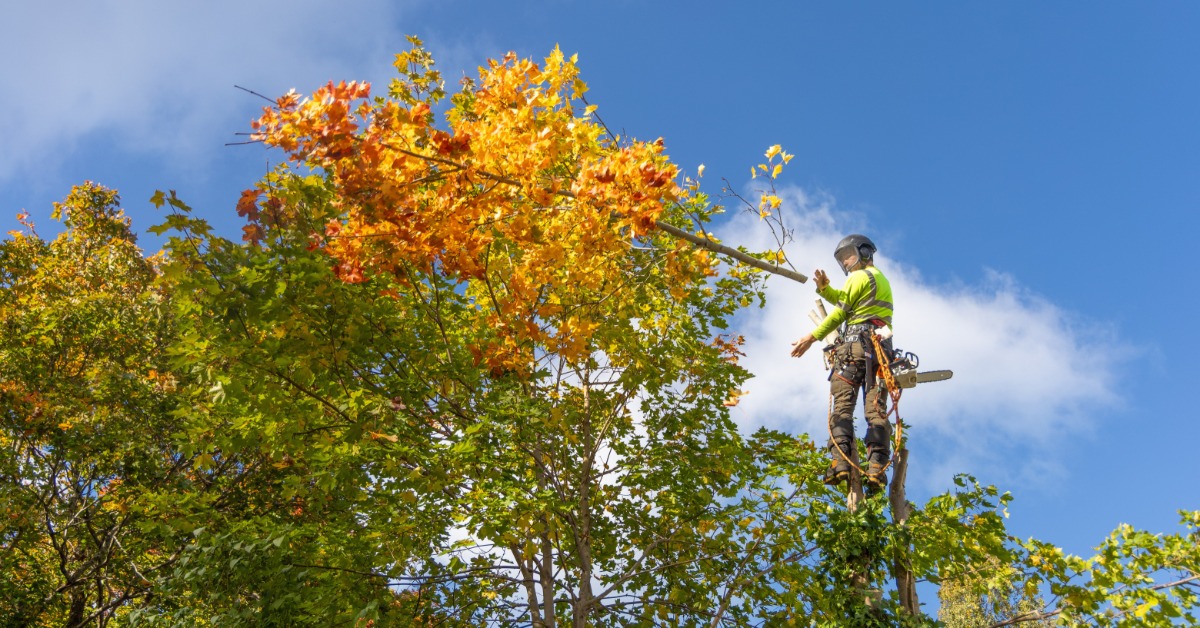
Tree care combines technical expertise, physical endurance, and careful planning. Whether maintaining mature trees, removing hazardous limbs, or responding to storm damage, arborists work in environments where the right equipment can make a significant difference in both safety and efficiency.
Professional arborists continually evaluate their equipment to ensure it meets current safety standards and performs reliably under demanding conditions. Investing in essential gear every professional arborist should have is about more than assembling a collection of tools—it is about creating a complete system that allows work to be performed safely and accurately.
Personal Protective Equipment Forms the First Line of Defense
Every task begins with personal protective equipment (PPE). Even routine pruning jobs expose arborists to falling debris, sharp tools, loud machinery, and unpredictable weather conditions. Wearing appropriate protective equipment reduces the likelihood of serious injury.
A properly fitted climbing helmet with a secure chin strap protects against falling branches while remaining stable during movement throughout the canopy. Safety glasses or face shields shield the eyes from sawdust and wood chips, while hearing protection minimizes long-term exposure to chainsaw and chipper noise. Chainsaw-resistant pants or chaps, durable work gloves, and protective boots provide additional safeguards against cuts, abrasions, and slipping hazards.
PPE should be inspected regularly for signs of wear. Damaged helmets, worn gloves, and compromised protective fabrics should be replaced promptly to maintain their effectiveness.
Reliable Climbing Systems
Tree climbing equipment allows arborists to reach work areas that would otherwise be inaccessible. A professional climbing system typically includes a low-stretch climbing rope, climbing saddle, friction-saving devices, mechanical ascenders, and positioning lanyards that work together to create a safe and efficient method of ascending, descending, and working within the tree.
Equally important is understanding how each component functions as part of the overall system. Rope selection depends on factors such as tree size, climbing style, and environmental conditions, while proper rope inspection helps identify abrasion, glazing, or other signs of damage before they become safety concerns.
Success also depends on using reliable knots and rope management techniques that allow equipment to function correctly under changing loads. Professional arborists should know the commonly used knots for climbing and rigging applications, and reinforce these foundational skills through continued practice.
Rigging Equipment for Controlled Tree Removal
Removing large branches requires much more precision than simply cutting and letting them fall. Rigging equipment enables arborists to lower heavy sections in a controlled manner, reducing the risk of damage to nearby homes, vehicles, landscaping, utilities, and surrounding vegetation.
Essential rigging equipment includes lowering ropes, pulleys, rigging blocks, slings, friction devices, rigging rings, and lowering bollards. These tools distribute forces throughout the system while allowing ground crews to manage heavy loads with greater control.
Hand Tools Play an Essential Role
While chainsaws are incredibly important, hand tools remain indispensable throughout the workday. Bypass pruners, loppers, pruning saws, throw lines, throw bags, utility knives, wedges, and measuring tapes all contribute to efficient tree care.
Hand tools provide greater precision for structural pruning, fine canopy work, and situations where powered equipment would be impractical or unnecessary. Maintaining sharp cutting edges also produces cleaner pruning cuts that support healthier tree recovery.
Communication Improves Safety
Tree care crews must coordinate climbing activities, rigging operations, equipment movement, and traffic management while remaining aware of constantly changing conditions. Reliable communication systems reduce misunderstandings.
Two-way radios, helmet-mounted communication systems, and hands-free Bluetooth devices allow arborists and ground crews to remain connected even when visibility is limited by dense foliage or noisy equipment. Establishing standardized verbal commands before work begins also ensures everyone understands when cuts are being made, loads are being lowered, or equipment is being repositioned.
First Aid and Emergency Preparedness
Despite careful planning, emergencies can still occur. Every professional tree care crew should have immediate access to a comprehensive first aid kit containing trauma dressings, tourniquets, antiseptic supplies, emergency blankets, and other essential medical equipment.
Emergency preparedness extends beyond carrying supplies. Crew members should understand emergency response procedures, know the work site’s address or GPS coordinates, and establish a rescue plan before climbing begins. Practicing aerial rescue techniques regularly ensures all crew members can respond effectively if a climber becomes injured or incapacitated.
Equipment Maintenance Protects Long-Term Performance
Professional-grade tree care equipment represents a substantial investment, making routine maintenance an important part of arboriculture. Climbing ropes should be cleaned according to manufacturer recommendations and stored away from direct sunlight or chemical exposure. Harnesses require routine inspection for worn stitching or damaged webbing, while hardware should be cleaned and lubricated to ensure smooth operation.
Chainsaws benefit from regular servicing, including spark plug replacement, bar maintenance, fuel system inspection, and chain sharpening. Keeping maintenance records can help arborists track equipment service intervals and determine when equipment should be retired before safety is compromised.
Continuing Education Complements Quality Equipment
Even the best tree care equipment cannot replace knowledge and experience. Tree care techniques, climbing technology, and safety standards continue to evolve as new products and research become available. Professional arborists often participate in workshops, certification programs, and industry training to stay informed about current arboriculture best practices.
Ongoing education allows crews to understand proper equipment use, recognize developing hazards, and adopt improved techniques that increase both efficiency and safety. Combining high-quality tree care equipment with continuous learning creates a strong foundation for long-term success in the profession.
Final Thoughts
Professional arborists depend on a carefully selected combination of protective equipment, climbing systems, rigging gear, cutting tools, communication devices, and emergency supplies to perform demanding tree work safely. Each piece of equipment contributes to a larger system designed to protect workers while allowing complex tree care tasks to be completed efficiently and responsibly.
By investing in dependable equipment, maintaining it consistently, and continuing to build technical skills, arborists place themselves in the best position to handle the challenges of modern tree care. The essential gear every professional arborist should have is not defined by a single tool, but by a complete, well-maintained system that supports safe tree care practices and professional results every day.