Why Logistics Matter More Than Packing During a Move
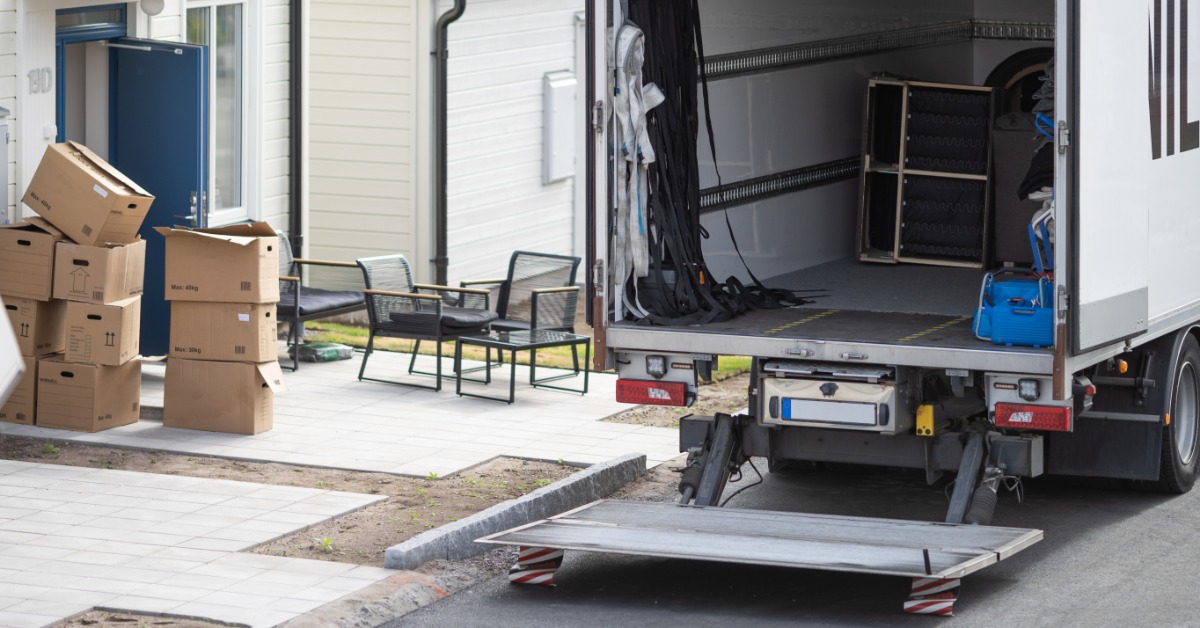
When people prepare for a move, packing usually gets all the attention. It’s the part everyone can see; boxes stacked in the garage, bubble wrap covering fragile dishes, and permanent markers labeling every container. Packing feels productive because there’s a clear sense of progress. But once moving day arrives, most of the challenges have very little to do with what’s inside the boxes.
That’s why logistics matter more than packing during a move is a conversation worth having. Packing protects your belongings, but logistics determine whether the entire relocation stays on schedule. The best-organized boxes in the world can’t solve poor timing, communication breakdowns, or unexpected scheduling conflicts.
A Move Is Really a Series of Coordinated Events
It’s easy to think of moving as a single day on the calendar, but in reality, it’s a project with dozens of moving pieces.
Long before the first box is loaded, decisions have to be made about utility transfers, vehicle access, moving permits, travel routes, storage options, and arrival times. If children are changing schools, there may be registration deadlines to meet. If you’re relocating for work, your start date could leave little room for delays.
Selling one home while purchasing another introduces another layer of coordination, especially if closing dates don’t line up perfectly. Each of those details depends on another one happening at exactly the right time. That’s what logistics really are: organizing many small decisions so they work together instead of competing with one another.
Good Timing Prevents Small Problems From Becoming Big Ones
Imagine your moving crew arrives at 8:00 a.m., but the seller doesn’t release the keys until noon. Four hours suddenly disappear while everyone waits. If the truck is scheduled for another move later that afternoon, that delay creates pressure on everyone involved.
Or consider a family that disconnects internet service before the move, only to find the new provider can’t complete installation for several days. Working remotely, helping children with online assignments, or even accessing important documents becomes far more difficult than expected.
None of these situations happen because someone packed poorly. They happen because the timeline wasn’t fully coordinated. Building flexibility into a moving schedule gives you room to handle unexpected changes without throwing the entire relocation off course.
Transportation Involves More Than Driving a Truck
Choosing the right truck size sounds simple until you realize that underestimating your belongings can mean making multiple trips or renting additional equipment. Oversized vehicles may not fit comfortably into certain neighborhoods or apartment complexes. Some buildings require loading docks to be reserved days in advance, while others limit the hours when moving trucks are allowed on the property.
Long-distance moves introduce even more variables. Weather conditions, road construction, overnight stops, fuel planning, and delivery windows all become part of the equation. The actual drive may only take a day or two, but planning it properly often starts weeks beforehand.
Communication Keeps Everyone Working Toward the Same Goal
Someone assumes the movers know where to park. A family member assumes another person has scheduled utility activation. A landlord expects the apartment to be vacant by a certain hour, while the moving truck arrives later than anticipated. These aren’t major disasters individually, but together they create unnecessary stress.
A detailed moving checklist helps, but consistent communication is just as valuable. Sharing schedules with everyone involved helps ensure everyone is working from the same timeline. When expectations are clear, surprises become much less common.
Access Can Be One of the Biggest Challenges
People often focus on getting belongings out of one home without thinking about how they’ll get everything into the next one.
A sectional sofa that fit comfortably through the front door years ago may no longer fit after a hallway renovation. Apartment buildings frequently require elevator reservations, while gated communities sometimes require advance authorization for commercial vehicles. In busy urban neighborhoods, simply finding legal parking for a moving truck can become its own logistical challenge.
These details rarely receive much attention during packing, yet they often determine whether moving day runs smoothly or turns into hours of unnecessary problem-solving.
Taking measurements, confirming access requirements, and identifying potential obstacles well in advance gives everyone a clearer picture of what to expect.
Flexibility Is Part of Every Good Moving Plan
Successful moves aren’t successful because nothing goes wrong—they’re successful because the plan leaves room to adapt.
That might mean scheduling your move a day earlier than absolutely necessary, keeping important documents with you instead of packing them away, or arranging temporary storage if your move-out and move-in dates don’t perfectly align.
Thinking through backup plans before you need them can dramatically reduce stress when circumstances change.
Professional Planning Often Makes the Difference
People often think hiring movers is mainly about saving themselves from carrying heavy furniture.
In reality, experienced moving companies spend much of their time solving logistical problems that customers may never even notice. Coordinating loading schedules, estimating transportation times, organizing efficient truck layouts, and adjusting plans when unexpected delays occur all require experience.
Understanding why hiring professional companies simplifies complex moves offers a better picture of the planning that happens behind the scenes. Professional movers aren’t simply transporting belongings from one address to another; they’re coordinating dozens of details that help keep an entire relocation on track.
That kind of planning becomes especially valuable during long-distance moves, large household relocations, or situations involving multiple properties and overlapping schedules.
The Work Doesn’t End When the Truck Is Empty
Unloading the final box may feel like the finish line, but there are still important logistical tasks waiting afterward.
Changing your address with financial institutions, updating insurance information, transferring medical records, registering children for school, and confirming utility services are all part of settling into a new home. Completing these tasks methodically helps prevent frustrating surprises weeks after the move is over.
Many experienced movers recommend keeping a post-move checklist so these responsibilities don’t get overlooked while unpacking. Like every other stage of the relocation process, organization matters just as much after moving day as it does before it.
Looking Beyond the Boxes
Packing will always be an essential part of moving. It protects your belongings and helps make unpacking more manageable. But packing is only one piece of a much larger process.
The relocations people remember most fondly aren’t necessarily the ones with perfectly labeled boxes—they’re the ones where everything came together as planned. The truck arrived on time, the utilities were ready, everyone knew their responsibilities, and unexpected challenges were handled without panic.
That’s why logistics matter more than packing during a move deserves more attention. Strong logistics create the structure that allows every other part of the move to succeed. When planning, communication, transportation, and timing all work together, the move feels less like a stressful event and more like a well-managed transition into the next chapter of life.