Tips for Protecting Solar Panels From Salt Water Exposure
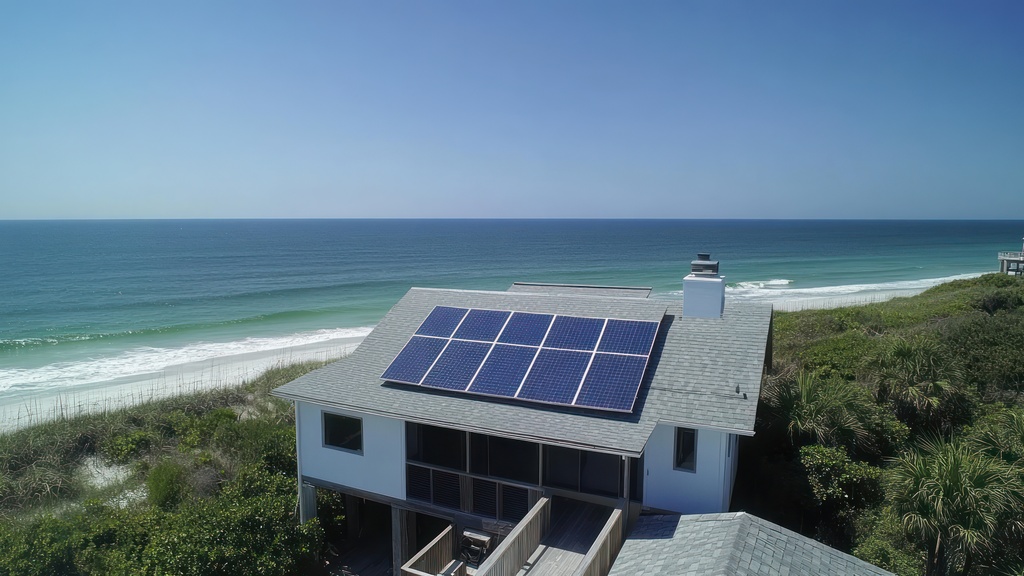
Protecting solar panels from salt water exposure requires careful planning, consistent care, and a clear understanding of environmental stress factors. Coastal environments present unique conditions that affect materials and electrical systems in ways that inland systems rarely experience. Salt particles carried through the air settle on surfaces and create corrosion risks that can shorten system life and reduce energy output.
A well-maintained system performs reliably across seasons and continues to provide energy savings without unexpected drops in efficiency or output levels. Preventative care combined with smart installation choices ensures that solar panels remain resilient against salt exposure and continue to operate effectively. With the right approach, solar investments near coastal regions can maintain efficiency and consistent performance across years of use.
Understanding Salt Exposure Risks
Salt exposure begins with airborne particles that settle on panel surfaces and slowly create a thin residue that interferes with sunlight absorption. This residue may appear minor at first yet builds over time and leads to measurable reductions in system efficiency. Owners who understand this process can take early action and prevent gradual damage that affects long-term performance and reliability.
Moisture in coastal air combines with salt and creates a corrosive layer that affects glass surfaces and metal components over time. This interaction weakens protective coatings and exposes sensitive areas to wear that reduces the lifespan of the entire system. Regular awareness of environmental conditions helps owners respond quickly and maintain optimal system performance through consistent upkeep practices.
Choosing Corrosion Resistant Materials
Selecting corrosion-resistant materials during installation protects solar panels from early wear and ensures durability in environments with frequent salt exposure. Frames made from treated aluminum or stainless-steel resist corrosion better than standard materials used in less demanding climates. These material choices provide a strong foundation that supports system longevity and reduces the need for frequent part replacement.
Protective coatings applied to panels and hardware create a barrier that limits direct contact between salt residue and sensitive surfaces. These coatings help maintain structural integrity and reduce the likelihood of damage caused by repeated exposure to harsh environmental conditions. Investing in durable materials at the start prevents costly repairs and supports reliable system performance across coastal installations.
Regular Cleaning Practices
Regular cleaning keeps solar panels free from salt residue and helps maintain steady energy output in coastal environments with frequent exposure. A simple routine can prevent buildup and support consistent system performance across seasons.
- Rinse panel surfaces with fresh water to remove salt deposits and restore clear exposure to sunlight without causing surface damage.
- Use soft cloths or non-abrasive tools to clean panels and protect coatings from scratches that reduce efficiency over time.
- Set a cleaning schedule based on distance from saltwater and local weather patterns that influence how often residue forms on panels.
- Inspect panels during each cleaning session to identify early signs of wear and address minor issues before they affect performance.
- Adjust cleaning frequency during periods of strong coastal winds that carry more salt particles and increase buildup on panel surfaces.
Strategic Panel Placement
Careful placement of solar panels reduces direct exposure to salt spray and limits the amount of residue that settles on surfaces each day. Installing panels at angles that minimize accumulation helps reduce buildup and supports easier cleaning when maintenance becomes necessary. Proper positioning also enhances energy capture and improves overall system performance across varying environmental conditions.
Structures such as barriers or natural landscape features can shield panels from direct salt exposure and reduce the intensity of environmental impact. These elements create a buffer that limits how much salt reaches the system and supports long-term durability. Strategic placement works alongside maintenance practices to protect panels and preserve consistent energy production.
Monitoring System Performance
Regular performance monitoring allows owners to detect changes in energy output that may indicate salt buildup or early signs of wear. Tracking system data helps identify trends that signal when maintenance or cleaning may be necessary to restore efficiency. This proactive approach clears issues before they lead to significant performance loss.
Advanced monitoring systems provide detailed insights into panel performance and highlight areas that require attention or adjustment. These tools support informed decision-making and help maintain consistent energy production across the entire system. Ongoing observation strengthens system management and ensures that panels operate at peak efficiency despite environmental challenges.
Using Ground-Mounted Systems
Ground-mounted systems offer flexibility in placement and make maintenance tasks easier to complete compared to roof-mounted installations in coastal areas. These systems allow owners to adjust positioning and improve access for cleaning or inspection without the limitations of roof structures. This accessibility supports regular care and helps maintain consistent performance across all panels.
With this look at ground-mounted residential solar power systems, you can improve maintenance access, reduce exposure risks and create a setup that supports long-term durability and performance. Ground placement also allows strategic positioning away from direct salt spray and enables better control over environmental factors. This configuration supports efficient operation and simplifies routine maintenance tasks for property owners.
Routine Inspection Schedules
Routine inspections identify early signs of corrosion or wear and allow owners to address minor issues before they develop into costly repairs. Checking frame connections and surfaces ensures that all components remain in good condition despite exposure to salt-laden air. Consistent inspection practices help maintain system reliability and support long-term performance.
Inspection schedules should align with environmental conditions and consider factors such as proximity to water and frequency of salt exposure. Systems in high exposure areas may require more frequent checks to ensure continued protection against environmental stress. A structured inspection plan supports proactive care and helps preserve the integrity of the solar installation.
Electrical Component Protection
Electrical components require special attention in coastal environments due to the risk of corrosion caused by salt and moisture exposure. Protective enclosures and proper sealing prevent contaminants from reaching sensitive parts that control system operation. These measures ensure that electrical systems remain functional and reliable over extended periods.
Using weather-resistant materials and secure housing protects wiring and connectors from environmental damage that could disrupt energy production. Proper protection of electrical elements reduces the likelihood of system failures and supports consistent output levels. Attention to these components ensures that the entire system operates efficiently despite challenging coastal conditions.
Maintenance Planning
Developing a long-term maintenance plan is one of the best ways to protect solar panels from saltwater exposure so they continue to perform effectively. This plan should include regular cleaning inspections and material checks that align with environmental demands. A structured approach supports consistent care and reduces unexpected issues that may affect system performance.
Maintenance planning also allows owners to budget for upkeep and prepare for future adjustments that support system longevity and efficiency. Anticipating potential challenges helps maintain performance and protects the initial investment made in solar technology. A well-designed plan ensures that panels remain reliable and continue to deliver energy benefits over time.
Protecting solar panels from saltwater exposure requires a thoughtful approach that combines smart installation choices with consistent maintenance and monitoring. Coastal environments present unique challenges that demand attention to detail and a commitment to proactive care across every part of the system. When property owners adopt these practices, solar panels can maintain strong performance and durability despite exposure to harsh environmental conditions.