How Weather Can Magnify Job Site Safety Risks
Construction sites are constantly exposed to changing environmental conditions, making weather one of the most unpredictable factors affecting workplace safety. Rain, snow, heat, wind, and even sudden temperature swings can transform an otherwise routine workday into a dangerous one. Understanding how these conditions affect workers, equipment, and site organization helps contractors reduce accidents while maintaining productivity.
Rather than reacting after bad weather arrives, successful project managers build weather preparedness into every phase of a project. How weather can magnify job site safety risks becomes much easier to manage when crews anticipate changing conditions and adjust their work accordingly.
Rain Creates More Than Wet Surfaces
Rain may seem like a minor inconvenience, but it creates multiple hazards simultaneously. Wet surfaces become slippery, increasing the chances of falls from scaffolding, ladders, walkways, and equipment. Mud also reduces traction for both workers and heavy machinery, making it more difficult to maintain stability while transporting materials.
Water accumulation introduces another concern. Standing water can hide holes, uneven ground, sharp debris, or electrical hazards that are impossible to identify until someone steps into them. Even shallow puddles can become dangerous if power tools or temporary electrical systems are nearby.
Rain also affects visibility. Safety markings, painted lines, and caution signs become harder to see, while fogged eyewear and reduced lighting make navigation more challenging throughout the worksite.
High Winds Increase Job Site Dangers
Wind presents unique challenges because it affects both workers and equipment simultaneously. Strong gusts can move unsecured materials, sending plywood, insulation, sheet metal, or tools airborne. These objects quickly become dangerous projectiles capable of causing serious injuries.
Lifting operations become especially hazardous during windy conditions. Cranes carrying suspended loads are far more difficult to control, increasing the likelihood of swinging materials striking nearby workers or structures.
Scaffolding, temporary fencing, portable buildings, and tarps also require additional inspection before and after high-wind events. A seemingly secure installation may become unstable after prolonged exposure to strong gusts.
Heat Stress Can Be Just as Dangerous
Extreme heat often develops gradually, making it one of the most overlooked workplace hazards. Workers performing physically demanding tasks may not immediately recognize symptoms of dehydration or heat exhaustion until their condition becomes severe.
High temperatures reduce concentration, slow reaction times, and increase fatigue. These factors contribute to mistakes when operating machinery, climbing ladders, or handling power tools.
Employers can reduce heat-related incidents by scheduling physically demanding work during cooler morning hours, encouraging frequent hydration, providing shaded rest areas, and monitoring workers for signs of heat illness throughout the day.
Cold Weather Brings Its Own Challenges
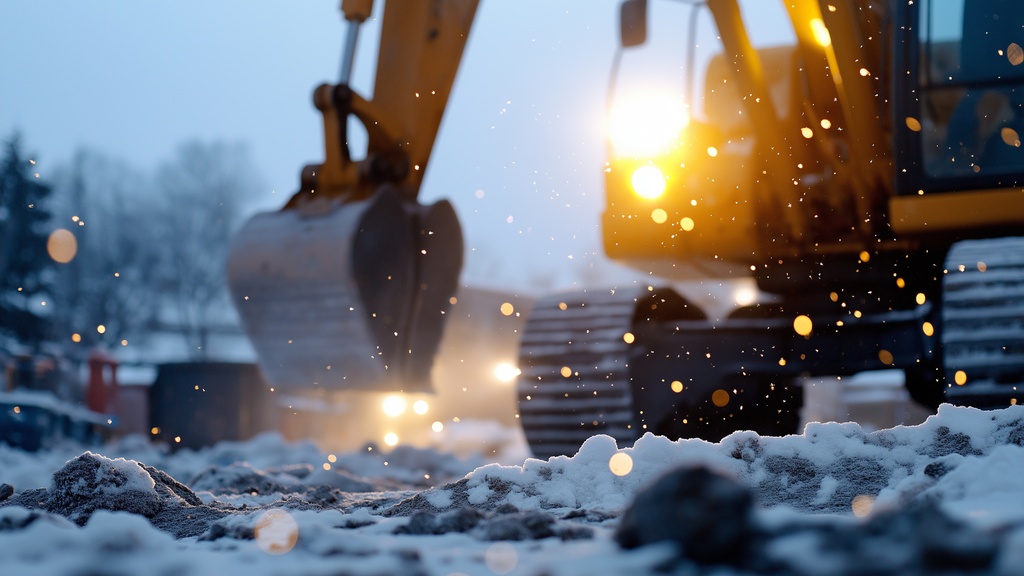
Winter conditions introduce an entirely different set of safety concerns. Ice-covered surfaces create slip hazards, while frozen materials become more difficult to handle safely. Workers wearing bulky clothing may experience reduced mobility, limiting their ability to react quickly around heavy equipment.
Cold temperatures also affect machinery. Hydraulic systems, batteries, tires, and fuel systems often perform differently during freezing weather, requiring additional inspections before work begins.
Even workers accustomed to cold climates remain vulnerable to frostbite and hypothermia during prolonged outdoor exposure, especially when wind accompanies low temperatures.
Poor Visibility Affects Every Task
Weather doesn’t need to be severe to reduce visibility. Fog, heavy rain, snow, dust stirred by wind, and early winter sunsets all limit a worker’s ability to identify hazards before encountering them.
Reduced visibility increases the likelihood of vehicle collisions, equipment strikes, and communication failures between machine operators and ground crews. Spotters become even more valuable under these conditions, helping maintain safe distances between moving equipment and nearby personnel.
Additional lighting, reflective clothing, and clearly marked pedestrian routes improve safety whenever visibility begins to decline.
Site Organization Becomes Even More Important
Weather magnifies the consequences of poor housekeeping. Materials left scattered across a dry worksite may simply be inconvenient, but those same materials become serious trip hazards after rainfall or snowfall.
Loose debris can clog drainage systems, creating standing water that persists long after storms have passed. Muddy conditions make cleanup more difficult, while accumulated waste often shifts location during high winds.
Maintaining organized storage areas and removing waste regularly helps prevent weather from turning manageable conditions into dangerous ones. Following efficient debris removal on construction sites can significantly reduce many of these weather-related hazards before they create larger safety issues.
Equipment Requires Additional Inspections
Changing weather affects nearly every piece of equipment on a construction site. Moisture accelerates corrosion, while temperature changes influence tire pressure, hydraulic performance, and battery life.
Operators should perform inspections before each shift, paying particular attention after storms or extreme temperature changes. Brakes, lights, tires, fluid levels, electrical systems, and safety devices all deserve careful evaluation before equipment returns to service.
Preventive maintenance becomes even more valuable when equipment operates under challenging weather conditions throughout the year.
Communication Becomes More Critical
Weather often forces crews to change schedules, relocate work areas, or suspend specific operations altogether. Without effective communication, workers may unknowingly enter hazardous areas or continue tasks that should have been postponed.
Daily safety meetings should include weather forecasts, expected hazards, emergency procedures, and contingency plans for rapidly changing conditions. Supervisors should also encourage workers to report developing hazards immediately rather than assuming someone else has already noticed them.
Modern weather monitoring applications and alert systems allow project managers to respond quickly when severe weather approaches.
Emergency Planning Should Include Weather Scenarios
Every construction project benefits from emergency preparedness, but weather-related planning deserves special attention. Crews should understand evacuation procedures for lightning, tornado warnings, flash flooding, or high-wind events.
Emergency supplies should remain accessible regardless of weather conditions, and designated shelters should be clearly identified before severe weather develops. Waiting until dangerous conditions arrive often limits available options and increases confusion.
Training exercises help ensure everyone understands their responsibilities when weather-related emergencies interrupt normal operations.
Building a Weather-Ready Safety Culture
Weather cannot be controlled, but preparation can dramatically reduce its impact on worker safety. Organizations that treat weather planning as a routine part of daily operations consistently experience fewer accidents and less downtime than those that respond only after hazards appear.
Safety culture begins with leadership but succeeds through consistent participation from every worker. Encouraging hazard reporting, maintaining clean job sites, inspecting equipment regularly, and adapting work schedules when necessary all contribute to safer operations regardless of the forecast.
Recognizing how weather can magnify job site safety risks extends beyond rain or snow helps companies prepare for the full range of environmental challenges they may encounter. By combining proactive planning, effective communication, organized housekeeping, and regular maintenance, construction teams can protect workers while keeping projects moving safely through every season.