Modern Neighborhood Living: Essential Tech Strategies for Home Peace of Mind
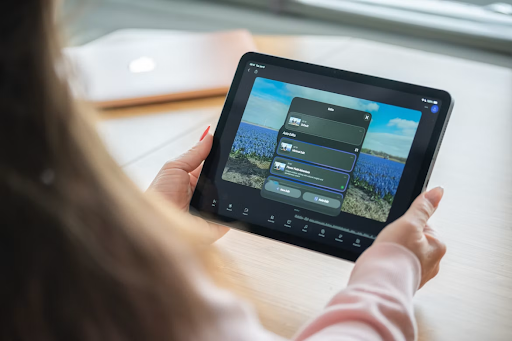
Living in a connected neighborhood means our homes are more than just a place to rest; they’re the center of our daily lives. As technology becomes more integrated into our world, we have new opportunities to make our homes safer, more efficient, and more responsive to our needs. Creating a truly modern and secure living space is easier and more accessible than you might think. It’s about strategically using smart devices to build layers of convenience and protection that work together.
Start with the Foundation: Smart Security
To secure any modern home, you first need to see what’s happening around your property. Knowing what’s going on outside your front door, in the backyard, or along the side of your house is fundamental. This is where modern wireless security camera systems really shine.
Unlike older, complicated setups, today’s systems are simple to install and connect directly to your home’s WiFi. You can watch live feeds from your smartphone, get alerts when motion is detected, and even store footage in the cloud. This digital perimeter not only deters potential intruders but also gives you a clear record of any activity, whether it’s a package delivery or an unexpected visitor.
Beyond the Front Door: Environmental Sensors
Real home safety goes beyond just watching for intruders. It also means protecting your home from internal threats like fire, water damage, or carbon monoxide. Smart environmental sensors are small, often inexpensive devices that can prevent major disasters. A smart smoke and carbon monoxide detector can alert your phone if it senses danger, even when you’re not home.
Similarly, water leak sensors placed under sinks, near a water heater, or in the basement can notify you at the first sign of moisture. This early warning can be the difference between a small cleanup and a catastrophic flood that requires expensive repairs.
Automating Daily Routines for Convenience
Once you’ve enhanced your home’s safety, you can focus on making daily life more convenient. Smart plugs and switches can turn any ordinary lamp or small appliance into a smart device. You can schedule your coffee maker to start brewing before you wake up or set lights to turn on and off while you’re on vacation to make it look like someone’s home.
Smart thermostats learn your schedule and preferences, automatically adjusting the temperature to save energy and keep you comfortable. These small automations reduce mental clutter and free up your time. Experts say this is a key way smart home technology helps create a more relaxing environment.
Managing Access with Smart Locks and Doorbells
Controlling who comes and goes is another key part of modern home management. Smart locks mean you don’t need physical keys, letting you lock and unlock your door from anywhere using your phone. You can grant temporary access to a dog walker, a contractor, or a visiting family member without handing out a spare key. When paired with a video doorbell, you can see and speak to anyone at your door, whether you’re upstairs or across town. These innovative smart home technologies aren’t just for convenience; they give you powerful control over your home’s main entry point.
Integrating Your Tech for a Seamless Home
The real power of a smart home comes out when all your devices work together. A central hub or a voice assistant like Amazon Alexa or Google Assistant can act as your home’s brain. With a single command, you can lock the doors, turn off the lights, adjust the thermostat, and arm your security system. You can create “scenes” or routines that trigger multiple actions at once, like a “goodnight” routine that gets the house ready for the evening. This integration turns a collection of individual gadgets into a cohesive, intelligent system that responds to your lifestyle.
Building a smarter, more secure home doesn’t have to happen all at once. By starting with one area, like security or lighting, you can gradually add new devices and create a home that truly works for you.