What’s New in Automotive Technology
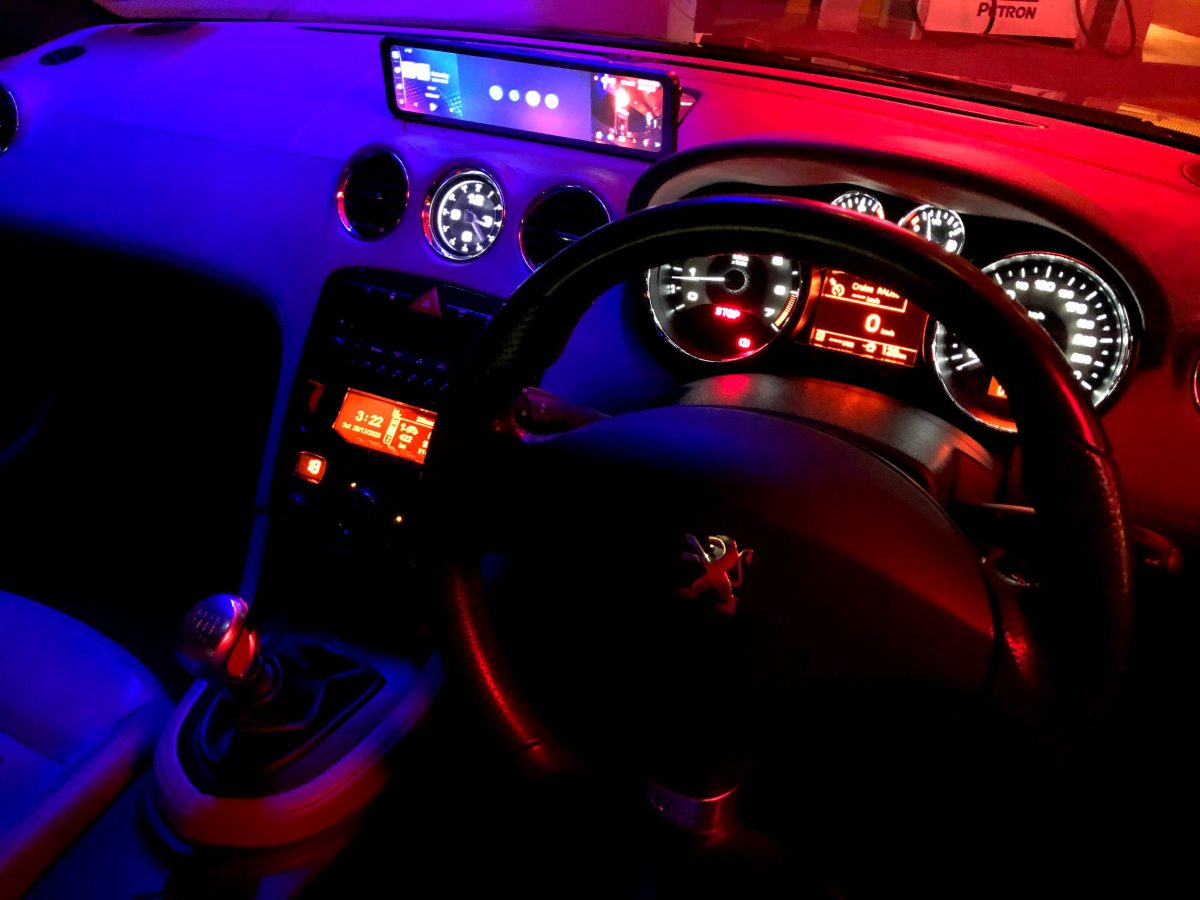
The modern vehicle is quickly changing from just a way to get around into a smart, helpful partner for your daily life. Automotive technology is moving at an incredible pace, with new features and capabilities appearing every year.
These advancements aren’t just about flashy screens or more horsepower; they’re fundamentally reshaping how we drive, making it safer, more efficient, and more connected than ever before.
Safety Innovations on the Road
One of the biggest leaps forward is in active safety and driver-assistance systems. These technologies act like a digital co-pilot, using sensors, cameras, and radar to watch the area around your vehicle. Features once only found in luxury models are now becoming standard. Automatic Emergency Braking (AEB) can spot an upcoming crash and hit the brakes faster than a person can.
Lane-Keeping Assist gently steers you back if you start to drift out of your lane. Blind-Spot Monitoring and Rear Cross-Traffic Alert give crucial warnings about vehicles you might not see. Automakers are adding these advanced safety suites across their entire lineups, and you can find many of these features standard on New 2027 Buick and GMC Cars. Together, these systems reduce the chance of an accident and lessen its impact if one does happen.
Connected Car Ecosystems
Today’s cars aren’t isolated machines anymore. They’re now part of a new connected ecosystem that connects your vehicle to the internet, your smartphone, and even your home. This connectivity powers a whole range of convenient features. Over-the-air (OTA) software updates let manufacturers improve vehicle performance, add new apps, and fix security issues without you needing to visit the dealership.
Advanced infotainment systems seamlessly integrate with Apple CarPlay and Android Auto, putting your favorite navigation, music, and communication apps right on the car’s main display. The advancements in connected car technology also enable remote services, so you can lock or unlock your doors, start the engine, and check the fuel level from an app on your phone.
Efficiency and Performance Gains
The drive for better fuel efficiency and lower emissions has led to amazing innovations under the hood. Traditional gasoline engines are more powerful and economical than ever, thanks to technologies like turbocharging, direct injection, and cylinder deactivation. At the same time, hybrid and all-electric powertrains are becoming more popular and capable. Modern electric vehicles (EVs) offer impressive range, instant acceleration, and the benefit of zero tailpipe emissions.
Beyond the engine, engineers are using advanced lightweight materials like aluminum and carbon fiber composites to reduce vehicle weight, which improves both handling and efficiency. Aerodynamics also plays a key role, with designers shaping vehicle bodies to cut through the air with minimal resistance.
Exploring the Latest Models
When you get into a new vehicle today, you immediately notice how all these technologies come together. Large, high-resolution touchscreens act as the command center for navigation, entertainment, and vehicle settings. Digital instrument clusters can be customized to show you the information you care about most, from turn-by-turn directions to driver-assist system status.
Comfort features like heated and ventilated seats, multi-zone climate control, and premium sound systems create a more relaxing and enjoyable cabin. These features, once considered high-end luxuries, are now increasingly available across a wider range of models, making advanced technology more accessible to everyone.
The Future of Driving
The evolution of automotive technology shows no signs of slowing down. The industry is steadily moving toward higher levels of driving automation. While fully self-driving cars for personal ownership are still some years away, many new vehicles already offer features that can manage steering, acceleration, and braking in specific situations, like highway traffic.
Another emerging field is Vehicle-to-Everything (V2X) communication, which will let cars talk to each other, to traffic lights, and to infrastructure. This could provide warnings about hazards around a blind corner or optimize traffic flow to reduce congestion, creating a safer and more efficient transportation network for everyone.
These ongoing developments aren’t just changing our cars; they’re redefining what it means to get around. Each new model year brings us closer to a future where driving is safer, cleaner, and more integrated with our digital lives, much like efforts to promote community road safety initiatives.