What To Consider When Managing a Construction Equipment Fleet
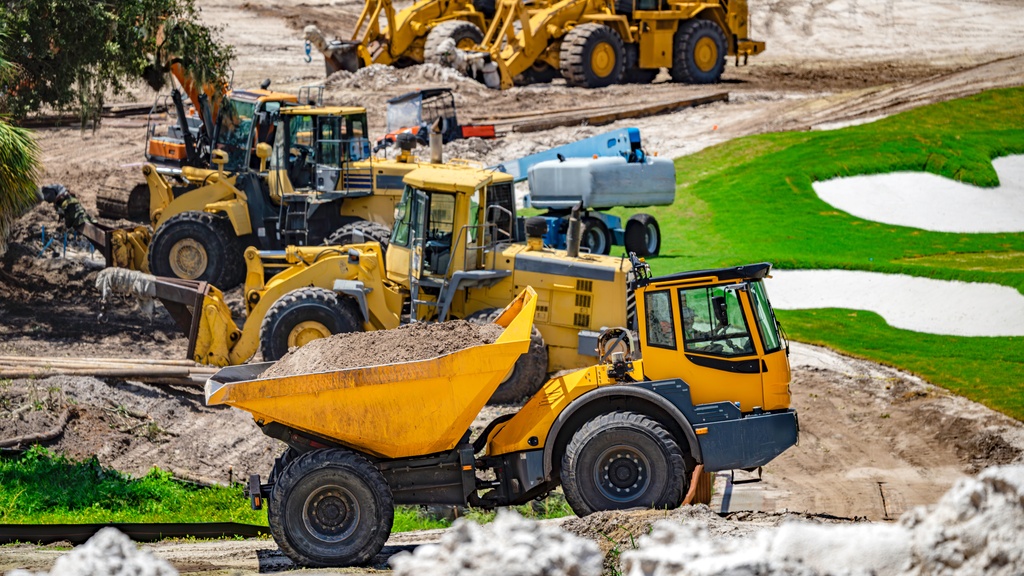
Managing construction equipment involves more than keeping machinery available for upcoming projects. Each machine represents a significant investment, and its performance directly affects project timelines, operating expenses, and workplace safety. From excavators and loaders to skid steers and specialized attachments, construction businesses must consider how their equipment is maintained, operated, and utilized.
Effective construction equipment fleet management requires a balance between operational efficiency, preventive maintenance, financial planning, and long-term equipment reliability. By understanding the factors that influence machinery performance, businesses can reduce expenses, minimize downtime, and ensure their equipment continues supporting daily operations.
Assessing Equipment Needs and Fleet Size
A well-managed construction fleet begins with understanding which machines are necessary for current and upcoming projects. Maintaining too much equipment creates unnecessary storage, insurance, and maintenance expenses, while having too few machines causes scheduling conflicts and project delays.
Fleet managers should regularly evaluate equipment utilization, project requirements, and the frequency with which individual machines are used. Machinery that remains idle for extended periods may represent an opportunity to reduce expenses through equipment sales or alternative rental arrangements.
Versatility is another important consideration, particularly for businesses handling different types of construction work. For example, skid steers perform various tasks using interchangeable attachments, allowing one machine to support material handling, grading, excavation, and site cleanup. Evaluating these capabilities can help businesses determine whether purchasing additional machinery is necessary or whether existing equipment can meet operational demands.
Establishing a Preventive Maintenance Schedule
Routine maintenance is essential for keeping construction machinery reliable, especially when equipment operates in demanding environments involving dust, moisture, heavy loads, and continuous vibration. Without consistent servicing, minor mechanical issues can develop into expensive repairs that interrupt project schedules.
A preventive maintenance program should follow manufacturer recommendations while accounting for operating hours, equipment age, and working conditions. Regular inspections of hydraulic systems, fluid levels, filters, tires, tracks, and moving components can help identify developing problems before they affect performance.
Daily pre-operation inspections are equally valuable because operators may notice unusual noises, visible damage, fluid leaks, or changes in equipment behavior. Documenting these observations and maintaining accurate service records allows fleet managers to recognize recurring problems, schedule necessary repairs, and monitor equipment condition over time.
Monitoring Attachments and Equipment Wear
Although major machinery receives the most maintenance attention, attachments also play an important role in equipment performance and workplace safety. Buckets, grapples, forks, augers, and similar components experience considerable stress during regular operation, making inspections necessary for identifying damage and excessive wear.
Common warning signs include worn cutting edges, damaged mounting points, hydraulic leaks, structural cracks, and declining performance. Recognizing the signs that skid steer attachments need replacement can help operators assess equipment condition and determine when continued use is no longer practical.
Attachment compatibility should also be considered because using components that exceed a machine’s rated operating capacity or hydraulic capabilities creates safety concerns and contributes to mechanical damage. Incorporating attachment inspections into routine maintenance procedures helps ensure that both the primary machinery and its supporting components remain suitable for their intended applications.
Understanding Equipment Ownership Costs
The initial purchase price of construction equipment represents only part of its overall financial impact. Fuel consumption, insurance, maintenance, repairs, transportation, storage, and depreciation all contribute to the total cost of ownership, making it important to evaluate machinery expenses throughout its operating life.
Tracking costs for individual machines allows fleet managers to identify equipment that may be becoming financially inefficient. For instance, an older excavator might no longer require financing payments, but increasingly frequent repairs and higher fuel consumption could make continued operation less economical than replacing it.
Comparing operating expenses with productive equipment hours provides a clearer understanding of machinery value. These calculations can also help businesses determine whether purchasing, leasing, or renting equipment is the most appropriate option for their workload and financial circumstances.
Prioritizing Operator Training and Safety
Equipment reliability depends partly on the knowledge and experience of the people operating it. Even properly maintained machinery can present significant hazards when operators are unfamiliar with machine controls, load limitations, or safe operating procedures.
Training should address equipment-specific requirements, workplace hazards, proper attachment installation, and procedures for identifying mechanical problems. Operators should understand how changing ground conditions, limited visibility, and unstable loads can affect machine performance and safety.
Clear communication between operators, supervisors, and maintenance personnel is equally important because promptly reporting unusual equipment behavior prevents minor problems from escalating. Businesses should also review applicable Occupational Safety and Health Administration (OSHA) requirements and ensure that employees receive appropriate training for the machinery and tasks they perform.
Using Technology To Improve Fleet Efficiency
Digital fleet management systems make equipment oversight more efficient by providing information about machinery utilization, maintenance requirements, and operating conditions. Depending on the technology installed, telematics systems may track engine hours, fuel consumption, idle time, equipment location, and diagnostic alerts.
This information helps managers identify inefficiencies that might otherwise go unnoticed. Excessive idling, for example, increases fuel expenses without contributing to productive work, while underutilized machinery may indicate opportunities to improve equipment scheduling.
Maintenance software can also organize inspection records, track repair histories, and generate service reminders. By making equipment information easier to access, these tools support informed decisions about maintenance priorities, operational planning, and long-term machinery investments.
Planning Equipment Replacement and Future Needs
Construction equipment gradually becomes less economical to maintain as components wear, repair expenses increase, and reliability declines. Establishing clear replacement criteria helps businesses avoid keeping machinery in service beyond the point where continued operation makes financial or operational sense.
Fleet managers should consider equipment age, operating hours, maintenance history, repair frequency, resale value, and anticipated workloads when evaluating replacement decisions. Replacing machinery prematurely may create unnecessary capital expenses, while delaying replacement can increase the risk of breakdowns and project interruptions.
Future business requirements should also influence purchasing decisions. Companies expecting larger projects or more demanding workloads may benefit from equipment with greater capacity, improved efficiency, or additional capabilities. Planning these investments ahead of time helps maintain operational continuity while reducing financial pressure.
Maintaining a Reliable and Productive Fleet
Successful construction equipment fleet management requires ongoing attention to machinery condition, operating expenses, employee safety, and equipment utilization. Businesses that prioritize preventive maintenance, monitor attachment wear, invest in operator training, and plan equipment replacements carefully can reduce disruptions while improving long-term productivity. Ultimately, effective fleet oversight is about ensuring that every machine contributes to safe, efficient, and financially responsible construction operations.