Fun Ways To Make Learning Feel Like Play
Children learn best when curiosity leads the way. A parent does not need a formal lesson plan to turn an ordinary afternoon into something meaningful. A walk, a toy shelf, a kitchen table project, or a rainy-day question can invite real learning when your child feels involved. For Long Beach families, the best learning moments often happen in relaxed spaces where children feel safe to wonder, test ideas, and enjoy discovery at their own pace. Use the tips below to make learning feel like play for children.
Start With a Question Your Child Already Cares About
A strong learning moment usually begins with something a child already wants to understand. When a child wonders why two shells look different or asks how a dinosaur might have moved, the question already holds their attention. You can build from that interest by slowing down and treating the question as worth exploring, rather than rushing toward a quick answer or turning it into a formal lesson.
A question such as “What do you notice first?” gives your child time to observe before the adult explains. That pause matters because it turns curiosity into active thinking, making the experience feel more like play than instruction.
Use Local Places as Everyday Classrooms
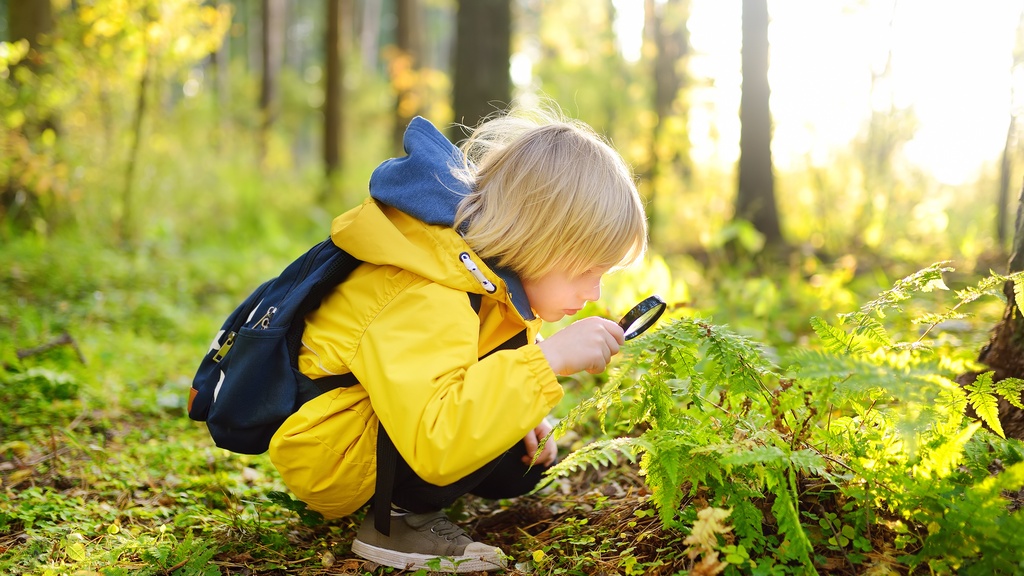
The Mississippi Gulf Coast gives families a natural setting for hands-on learning. For example, a beach walk can introduce patterns in nature. Likewise, a visit to a local park can help a child notice animal behavior. These moments work well because your child can see the subject rather than just hear about it.
You do not need to turn the outing into a lecture. Children often learn more when the adult follows what has already caught their attention and helps them stay with it a little longer. If your child stops to study a crab hole, turn the moment into a small investigation by asking what clues show something might live there. Your child begins to connect what they see with what they think, which builds confidence without making the outing feel like school.
Turn Collecting Into a Discovery Habit
Many children love collecting objects because it gives them a sense of ownership over what they learn. A child who gathers shells, rocks, trading cards, or toy animals often begins sorting them by shape or meaning. That process builds early reasoning without making the experience feel formal.
The same idea explains why prehistoric creatures fascinate so many children. Dinosaurs invite mystery because children can imagine a real world that no longer exists. There’s an interesting psychology behind collecting prehistoric creatures; not only does this show educational curiosity, but also a sense of discovery. You can also learn about different dinosaurs together, and then search for figures of those species.
Make Stories Do Some of the Teaching
Stories help children hold onto information because they give facts a place to live. A child may forget a plain explanation about migration, but a story about one bird trying to find its way home gives the idea shape. Try to use stories to explain a concept without making it feel like a lesson.
You can also invite your child to help shape the story as it unfolds. When your child chooses the issue the character needs to solve, the lesson feels less like instruction and more like shared imagination. You can gently guide the story toward the learning goal while still leaving room for your child’s ideas. The story holds your child’s attention because they helped create it, and they want to see how the character solves the problem.
Add Movement When Attention Starts To Fade
Children often think better when their bodies are involved. Sitting still can make learning feel heavier than it needs to feel. Movement gives the brain another way to process information, especially for younger children who need action to stay connected.
You can turn a simple idea into a movement game:
- Ask your child to step forward when an answer feels true
- Have your child crouch low to show something small
- Let your child stretch tall to show something that grows
Each movement should match one idea. That connection helps your child remember the lesson because the body reinforces the thought.
Let Your Child Teach It Back
You can also make learning feel like play by encouraging your child to explain something in their own words. A relaxed teaching-back moment gives your child a chance to organize their understanding without feeling tested. Consider inviting your child to explain to a younger sibling how a puzzle works, or ask what makes a favorite animal behave the way it does. The goal is not a perfect answer. The goal is to hear how your child connects ideas.
A teaching-back moment can give a child real pride because it shows that their thinking matters. Children often respond well when an adult treats their knowledge as something worth sharing. You can listen closely, ask one thoughtful follow-up question, and offer a gentle correction only when your child needs help. Respect keeps the mood positive while still guiding your child toward a clearer understanding.
Keep Materials Simple and Flexible
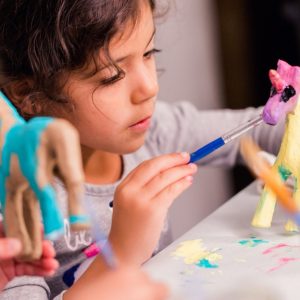
Parents sometimes feel pressure to buy special learning tools, but simple materials often work better. A notebook can become a place where your child records what they notice during a walk. A cardboard box can become a purposeful setting for pretend play. A familiar toy can help your child act out an idea they are trying to understand.
Simple materials work well because they leave room for imagination. Instead of telling your child exactly what to do, you invite your child to make decisions. That decision-making helps your child practice planning while staying engaged in the activity. When you let your child shape the project, they often care more about finishing it and explaining what they made.
Praise the Process More Than the Answer
Children need to know that effort matters. When adults praise only correct answers, a child may start to avoid harder questions because being right feels more important than thinking deeply. Process-focused praise gives your child a safer way to keep trying, especially when an activity takes patience.
You might say, “You noticed something important there,” or “You tried a new way to solve it.” Comments like these help learning feel like play by taking pressure off the final answer. Your child can enjoy the attempt without worrying as much about being wrong. Over time, that kind of encouragement helps your child build confidence in their own thinking.
Listen to Your Child
Playful learning works best when you stay attentive to your child’s mood. A tired child may not benefit from another question, even when the activity seems useful. An excited child may want to stay with the same topic longer because the idea still feels alive to them. Careful listening helps you know when to guide the moment and when to step back.
The goal does not require a perfect activity. A strong learning moment only needs enough curiosity for your child to keep exploring. When you treat questions with patience, learning becomes part of everyday family life instead of something separate from it. Steady encouragement can turn ordinary moments into lasting confidence.