Simple Car Maintenance Habits for a Safer, Smoother Drive
For many of us, our vehicle is more than just a way to get from point A to point B. It’s how we get to work, school, run errands, and connect with family. Keeping it running reliably isn’t just convenient; it’s about making sure our daily lives go smoothly. You don’t need to be a mechanic to play an active role in your car’s health. A few simple habits can help you avoid unexpected breakdowns and costly repairs later on.
Why Regular Vehicle Checks Matter
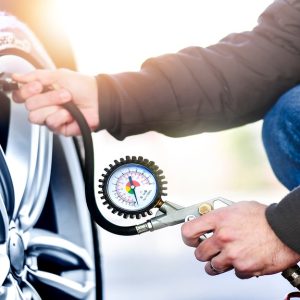
Taking a few minutes each month to do a quick walk-around check of your vehicle can make a huge difference. These checks are your first line of defense, helping you spot small issues before they turn into major problems. For example, noticing a tire that looks a little low could prevent a flat, while catching a fluid leak early might save your engine. These simple habits help keep your car running smoothly and give you confidence every time you get behind the wheel. It’s about taking care of things proactively, not just reacting when something breaks.
The Benefits of Routine Auto Maintenance
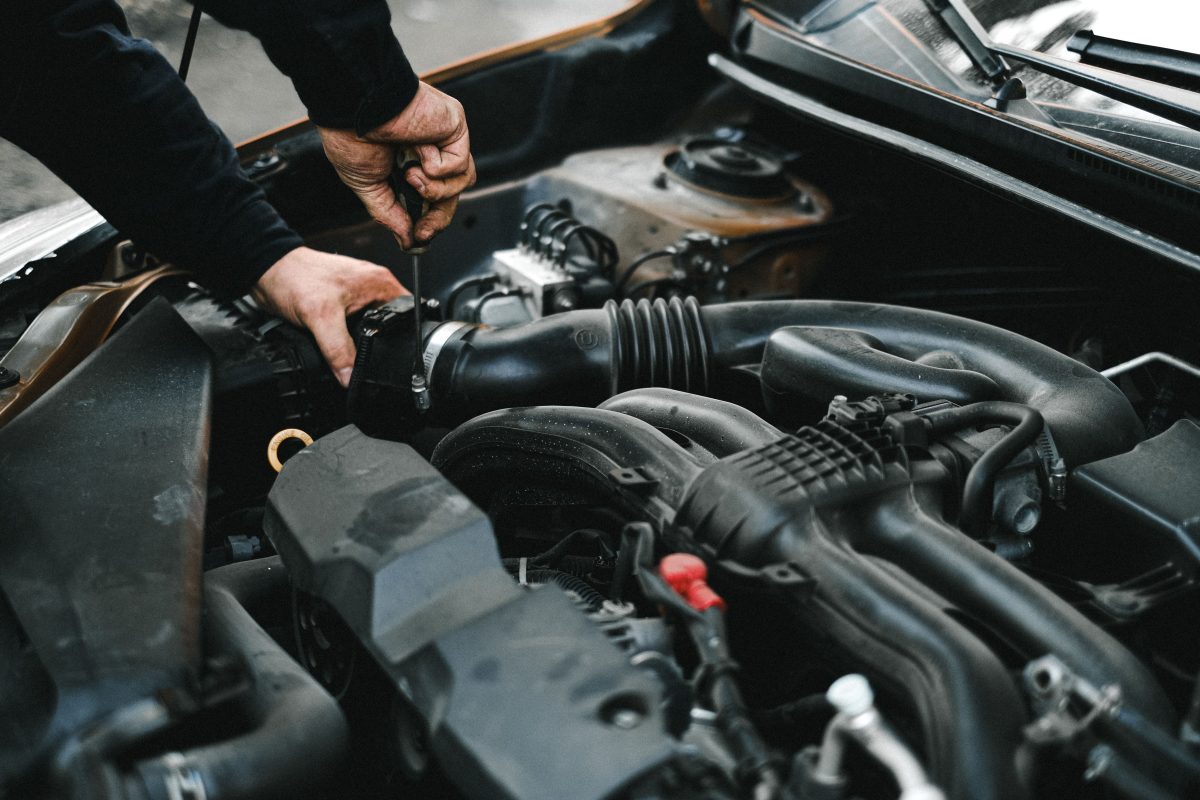
While your personal checks are valuable, they work best when you also get scheduled professional service. Think of it as a team effort. You handle the day-to-day observations, and a trusted technician takes care of the more complex tasks. Following a consistent schedule for routine auto maintenance ensures that critical parts like brakes, filters, and belts are inspected and serviced by an expert. This not only makes your car safer and perform better, but it can also improve your fuel efficiency and significantly extend your vehicle’s life, protecting your investment for years to come.
Essential Fluids and Their Importance
Your vehicle needs several key fluids to run correctly. Knowing what they are and how to check them is a basic part of car care. Checking these fluids is a key part of maintaining your vehicle for longevity. Here are the most important ones:
- Engine Oil: Often called the engine’s lifeblood, oil lubricates moving parts to reduce friction and heat. Check the dipstick monthly when the engine is cool and add more if it’s below the “full” mark.
- Coolant (Antifreeze): This fluid stops your engine from getting too hot in the summer and freezing in the winter. You can check the level in the clear reservoir tank and add more if needed, but only when the engine is completely cool.
- Brake Fluid: This hydraulic fluid is essential for your braking system. It’s a closed system, so it shouldn’t need frequent topping off. However, a low level could mean there’s a leak that a professional needs to look at right away.
- Windshield Washer Fluid: This one is all about seeing clearly and staying safe. Keeping the reservoir full means you can always clear away dirt, bugs, and grime from your windshield.
Understanding Your Vehicle’s Warning Lights
The symbols on your dashboard are your car’s way of talking to you. While a new light can be alarming, understanding what they mean can help you respond correctly. Generally, yellow or orange lights are warnings, suggesting you should get something checked soon. A red light, however, means a more urgent problem that might require you to pull over safely and turn off the engine. Common lights include the “Check Engine” light, which could mean anything from a loose gas cap to a more serious engine issue, and the oil pressure light, which needs immediate attention.
Preparing for Longer Drives
Before heading out on a road trip or a long drive, a little extra preparation is always a good idea. Go beyond your monthly check and do a more thorough inspection. Check the pressure in all four tires (and the spare, if you have one) and look at the tread for wear. Test all your exterior lights, including headlights, brake lights, and turn signals. It’s also smart to top off all your essential fluids, especially windshield washer fluid. Packing a basic emergency kit with things like jumper cables, a flashlight, and a first-aid kit can also be a big help if you run into trouble.
Taking an active role in caring for your vehicle doesn’t have to be complicated. Doing these simple checks and keeping up with scheduled service helps you drive with more confidence, knowing your car is ready to get you where you need to go safely and reliably.