What It Takes to Be an Aviation Professional
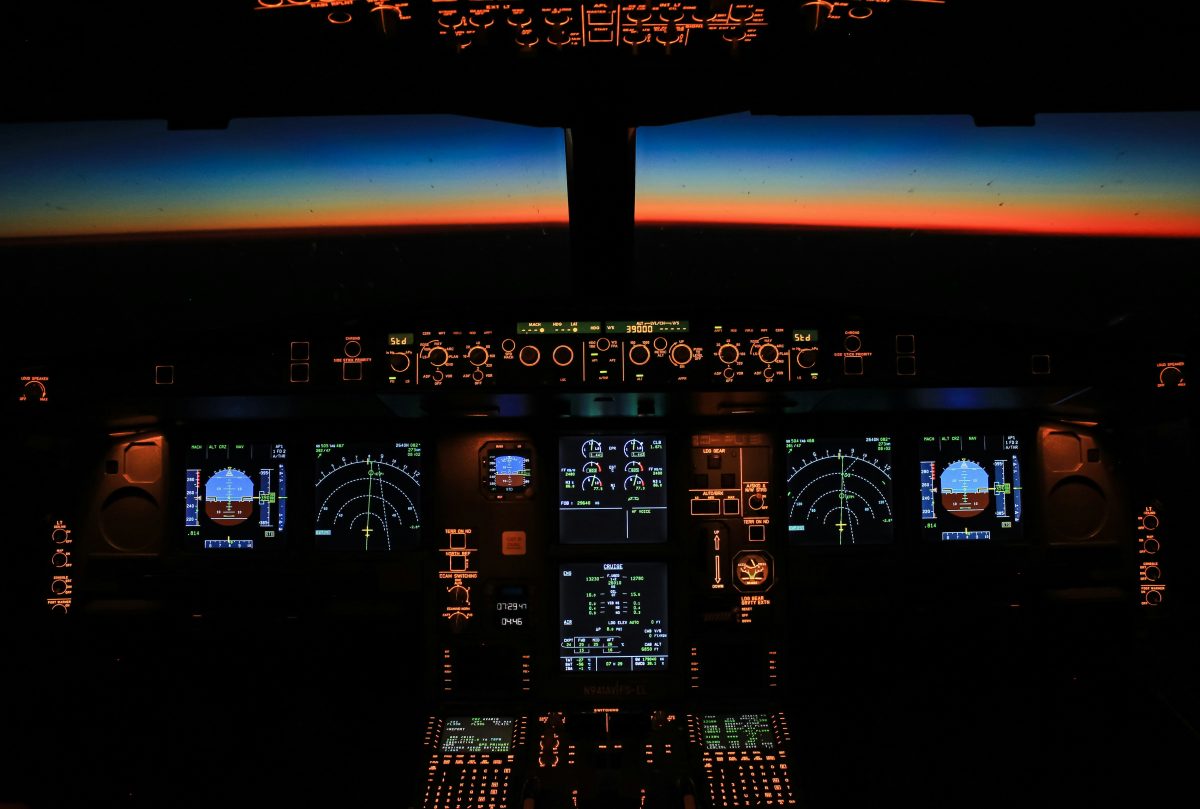
A career in aviation is a dream for many, offering a unique mix of technical skill, precision, and a real love for the skies. Getting into aviation, whether you want to be a pilot, flight attendant, or maintenance technician, is tough. It asks for a deep commitment to safety and doing things right. In this field, your initial training is really just the start of a lifelong journey of learning and adapting.
Aspiring to Aviation Careers
When folks picture aviation jobs, they often think of the pilot up front. And while pilots are definitely key to flying, a huge team of dedicated pros supports the whole industry. These roles include air traffic controllers, who manage the skies, aircraft mechanics, who make sure every part is working perfectly, and cabin crew, who look after passenger safety and comfort. Each of these jobs needs a specific set of skills and a shared dedication to strict standards. If you’re thinking about a flying career, your journey begins with understanding the different paths available and the personal drive it takes to succeed in this highly regulated world.
Rigorous Training Pathways
Becoming an aviation professional means going through a structured and intense journey. For aspiring pilots, this involves ground school, flight training, and then passing a bunch of written, oral, and practical exams. The FAA sets strict minimums for flight hours and experience before a pilot can get different certifications, from a private pilot license all the way to an Airline Transport Pilot (ATP) certificate. The specific airline pilot requirements often include thousands of flight hours. Likewise, aircraft mechanics have to finish certified programs and pass exams to earn their Airframe and Powerplant (A&P) ratings. This tough training makes sure everyone has the knowledge and hands-on skills to do their jobs safely.
Simulators Build Core Skills
Modern aviation training leans heavily on advanced simulators. They help build and test crucial skills in a safe, controlled setting. For pilots, flight simulators perfectly recreate an aircraft cockpit, letting them practice everything from routine takeoffs to tricky emergency procedures without ever leaving the ground. This tech is just as vital for other crew members.
Being prepared for a medical emergency depends on more than having the right equipment; regular training and clear response procedures are just as important when every second counts. High-fidelity cabin crew training equipment lets flight attendants practice emergency evacuations, putting out in-flight fires, and handling medical situations in a super realistic environment. These devices can even simulate turbulence, cabin decompression, and difficult passenger scenarios, making sure the crew is ready for anything. This hands-on practice builds the muscle memory and decision-making skills that are absolutely essential for keeping passengers safe.
Lifelong Learning in the Skies
Finishing a training program isn’t the end of an aviation professional’s education; it’s just the starting point. The industry is always changing with new aircraft technology, updated safety rules, and shifting international regulations. Pilots have to go through recurrent training and check-rides, often once or twice a year, to stay sharp. Flight attendants and maintenance technicians also do regular training to keep up with procedures and equipment. This commitment to lifelong learning ensures the whole aviation team operates at the highest level of safety and competence, adapting to new challenges and keeping the flying public’s trust.
The dedication needed to work in aviation is huge, but it comes with the reward of being part of a dynamic and super important industry. Always chasing new knowledge and skills is truly what makes an aviation professional stand out.