Tips for Choosing the Right DTF Printer for Your Shop
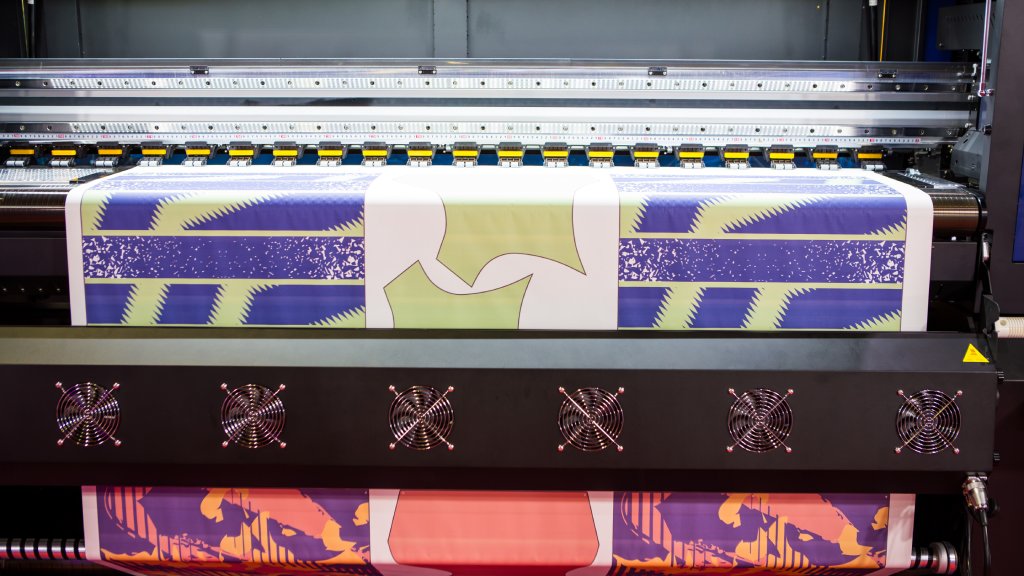
Starting a DTF printing business opens doors to endless creative possibilities and profitable opportunities. Direct-to-film printing has revolutionized the custom apparel industry, offering superior quality prints with vibrant colors and excellent durability. However, success in this competitive market depends heavily on selecting the right equipment for your specific needs.
This comprehensive guide walks you through everything you need to know about choosing a DTF printer that will drive your business forward. We’ll explore the technology behind DTF printing, examine key factors that influence your decision, and offer practical insights to help you make an informed investment.
Understanding DTF Printer Technology and Benefits
DTF printing works by printing designs onto a special film, then transferring those designs to fabric using heat and pressure. This process creates vibrant, long-lasting prints that work on various fabric types, including cotton, polyester, blends, and even challenging materials like leather and denim.
Benefits
The technology offers several advantages over traditional printing methods. DTF prints maintain their quality through multiple wash cycles, resist cracking and fading, and provide excellent color reproduction. The process also eliminates the need for pre-treatment, making it more efficient than direct-to-garment printing.
Modern DTF printers use specialized water-based inks that bond with adhesive powder to create transfers. The entire process involves printing, powder application, curing, and heat transfer application. Understanding these steps helps you appreciate why printer quality matters so much for your final products.
Key Factors That Determine DTF Printer Performance
Several critical factors separate excellent DTF printers from mediocre ones. Print resolution stands as perhaps the most important consideration. Higher resolution printers produce sharper details and smoother gradients, which directly impact the professional appearance of your finished products.
Ink system reliability plays another crucial role in printer performance. Quality DTF printers feature advanced ink delivery systems that prevent clogging and maintain consistent color output. The number of ink channels also affects your color gamut and printing capabilities.
Speed and efficiency matter significantly for commercial operations. While slower printing might work for small custom orders, higher volume shops need printers that can handle multiple jobs without sacrificing quality. Consider both print speed and overall workflow efficiency when evaluating options.
Matching Printer Size to Your Production Volume
DTF printers are available in various sizes, ranging from desktop units suitable for small shops to large-format machines designed for high-volume production. Your choice should align with your current needs and future growth plans.
Small
Small desktop DTF printers typically handle print widths of up to 13 inches, making them ideal for individual garments and small batch production. These compact units work well for startups and businesses focusing on custom one-off orders.
Medium
Mid-size printers accommodate widths between 24 and 36 inches, offering greater flexibility for larger designs and allowing for gang printing of multiple items simultaneously. These machines strike a balance between production capacity and space requirements.
Large
Large-format DTF printers can handle widths of 60 inches or more, allowing for high-volume production and accommodating oversized designs. The right DTF printer is one of the essential supplies for starting a DTF printing shop, and these industrial-grade machines are suitable for established businesses with consistently high-volume orders.
Print Quality and Resolution Considerations
Resolution directly impacts the sharpness and detail of your DTF prints. Most commercial DTF printers offer resolutions ranging from 720 DPI to 1440 DPI or higher. Higher resolutions produce better detail reproduction but may slow down printing speeds.
Color accuracy depends on both the printer’s capabilities and the quality of inks used. Look for printers that support a wide color gamut and offer precise color management tools. Some advanced models include white ink circulation systems that prevent settling and maintain consistent opacity.
Drop size variability allows printers to produce ink droplets of varying sizes, creating smoother gradients and more natural-looking images. This feature is particularly beneficial for shops that print photographic or highly detailed designs.
Ink Systems and Operating Cost Analysis
DTF printing requires specific ink formulations designed to work with adhesive powders and transfer films. Evaluate both ink compatibility and long-term costs when choosing your printer.
Some manufacturers offer bulk ink systems that significantly reduce per-print costs. These continuous ink supply systems hold larger quantities of ink and often cost less per milliliter than individual cartridges.
Consider the availability and pricing of replacement inks. Proprietary ink systems may offer better quality control, but they can also create ongoing expense concerns. Third-party ink compatibility may reduce costs, but it could also affect print quality or void warranties.
White ink management requires special attention, as DTF printing relies heavily on white ink for opacity and vibrancy. Look for printers with automatic white ink circulation, purge cycles, and easy maintenance procedures.
Software Compatibility and Workflow Integration
Modern DTF printers require specialized RIP (Raster Image Processor) software to manage color, print order, and film handling. Some printers include proprietary software, while others work with third-party RIP solutions.
Evaluate how well the printer integrates with your existing design software. Seamless workflow from design creation to final print saves time and reduces errors. Consider whether the RIP software offers advanced features like color matching, print queue management, and production tracking.
User-friendly interfaces speed up training and daily operations. Look for printers with intuitive control panels and clear status displays. Remote monitoring capabilities can help you track jobs and identify issues before they become problems.
Maintenance Requirements and Technical Support
DTF printers require regular maintenance to maintain print quality and prevent costly downtime. Research the maintenance requirements for any printer you consider, including cleaning procedures, replacement part availability, and service intervals.
Daily maintenance typically involves print head cleaning and ink system checks. Weekly tasks might include more thorough cleaning and calibration procedures. Understanding these requirements helps you plan labor costs and operational schedules.
The quality of technical support varies significantly between manufacturers. Look for companies that offer comprehensive training, readily available technical support, and local service representation. Quick response times for technical issues can prevent extended downtime that costs money and damages customer relationships.
Budget Planning and Return on Investment
DTF printer prices range from a few thousand dollars for entry-level units to tens of thousands for industrial-grade machines. However, the initial purchase price represents only part of your total investment.
Factor in ongoing costs, including inks, films, adhesive powder, maintenance supplies, and potential service calls. Calculate your cost per print based on realistic production volumes and local market pricing.
Consider the financing options that many manufacturers offer. Leasing arrangements can preserve working capital while providing access to newer technology. Some suppliers offer trade-in programs that help you upgrade as your business grows.
Making the Right Investment for Your Business
Choosing the right DTF printer requires careful consideration of your specific business needs, budget constraints, and growth plans. Start by honestly assessing your current and projected production volumes, then match those needs with appropriate printer capabilities.
Success in DTF printing comes from combining quality equipment with skilled operation and smart business practices. Take time to learn your chosen printer thoroughly, and don’t hesitate to invest in training that maximizes your equipment’s potential.