Cheesy Facts About the Dairy Industry for Consumers
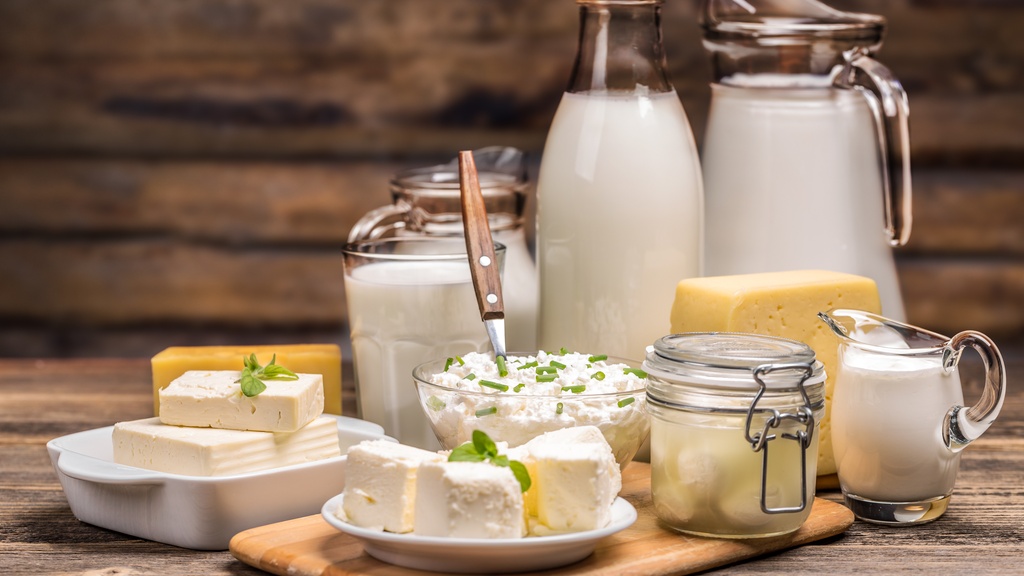
From the splash of milk in your morning coffee to the gooey cheese on your Friday night pizza, dairy is a big part of our lives. We love our ice cream on a hot Long Beach afternoon and a good slice of cheddar with some crackers. But how much do you really know about where your favorite dairy products come from?
Get ready to impress your friends at your next trivia night. We’re sharing some of the most cheesy and fun facts about the dairy industry for consumers to know. You’ll learn about everything from high-tech farms to the secrets behind your favorite cheeses. Let’s dive into the fascinating world of dairy.
How Your Milk Gets to the Table
Ever wonder what happens to milk between the farm and your fridge? It goes through a couple of important processes to make it safe and consistent.
First, there’s pasteurization. Named after French scientist Louis Pasteur, pasteurization heats milk to a temperature ranging from 145 to 275 degrees Fahrenheit for a set period to kill harmful bacteria. This step is crucial for ensuring milk is safe to drink without changing its nutritional value. It’s the reason we can confidently pour a glass of milk for our kids.
Next comes homogenization. If you’ve ever seen fresh, unhomogenized milk, you might notice the cream rises to the top. Homogenization prevents this by breaking down the fat globules in the milk into smaller, uniform sizes. This creates the smooth, consistent texture we’re all used to. No more shaking the jug before you pour!
Many modern dairy farms also use incredible technology. Forget the classic image of a farmer on a stool. Today, many farms use robotic milking systems. These high-tech machines allow cows to decide when they’re ready for milking. The cow walks into a stall, and a robotic arm cleans the udder, attaches the milking cups, and starts the process, all automatically. This gives the cows more freedom and comfort, and farmers get detailed data on each cow’s health and milk production.
Say Cheese! A World of Variety
Cheese is one of the most beloved dairy products, with thousands of varieties worldwide. Let’s look at a couple of the most iconic ones.
The Story of Cheddar
Cheddar cheese is one of the most popular cheeses in the world, and for good reason. Originally from the English village of Cheddar in Somerset, its production process is unique. During a process called cheddaring, cheesemakers cut the curd into large slabs, stack them, and flip them repeatedly. This expels more whey and creates the dense, firm texture we associate with a good block of cheddar. The longer it ages, the sharper and more complex its flavor becomes.
The Holes in Swiss Cheese
And those famous holes in Swiss cheese? Turns out, they’re not made by mice! Those holes, or eyes, form from bubbles of carbon dioxide gas. During the cheesemaking process, specific bacteria are added to the milk. As the cheese ripens in a warm room, the bacteria consumes lactic acid and releases carbon dioxide gas. Since the cheese has a solid rind, the gas gets trapped, forming the iconic holes. The size and distribution of these eyes tell a cheesemaker a lot about the cheese’s flavor and quality.
Dairy on the Mississippi Gulf Coast
Here in Mississippi, we have a rich agricultural heritage, and dairy is a part of that story. While we might not be the biggest dairy-producing state, we have a deep appreciation for local products. Many of us prefer the fresh taste of milk from regional farms, like Brown’s Dairy, a name many of us grew up with.
From enjoying a scoop of ice cream in downtown Long Beach to picking up a gallon of local milk at the grocery store, our community has a strong connection to dairy. Supporting local and regional dairy farms keeps our agricultural traditions alive and ensures we get the freshest products possible.
Good for Your Health
Dairy products provide essential nutrients that support our health. They are an excellent source of:
- Calcium: Crucial for building and maintaining strong bones and teeth.
- Protein: Essential for muscle repair and growth.
- Vitamin D: Helps the body absorb calcium.
- Potassium: Important for maintaining healthy blood pressure.
Of course, not everyone can enjoy dairy. Lactose intolerance, which is the inability to digest the sugar in milk, is quite common. For those who are lactose intolerant or prefer a plant-based diet, there’s a growing variety of dairy alternatives. You can now find milk, yogurt, and cheese made from soy, almonds, oats, and coconuts. These options make it possible for everyone to enjoy creamy textures and flavors in their meals.
As the demand for traditional dairy and its alternatives grows, the industry continually innovates. Technology, like secondary packaging machines and the dairy industry’s adoption of automation, plays a considerable role. These machines package everything from yogurt cups to cheese blocks efficiently and safely. This automation reduces manual labor, minimizes waste, and ensures the products arrive at your local grocery store fresh and perfectly sealed, ready for you to enjoy.
Fun Dairy Trivia
Ready for some quick, cheesy facts?
- It takes about 10 pounds of milk to make just one pound of cheese.
- The average cow produces about 6 to 7 gallons of milk per day.
- Cows are social animals and naturally form friendships within their herd. They can even get stressed when separated from their best friends.
- The black and white pattern on a Holstein cow is unique, much like a human fingerprint.
- One of the world’s most popular cheeses is mozzarella, thanks in large part to our global love for pizza.
The Wonderful World of Dairy
The dairy industry is a blend of tradition and cutting-edge technology. It’s a world of fascinating processes, diverse flavors, and incredible nutritional benefits that grace our tables every day. From the robotic farms that care for the cows to the science behind our favorite cheeses, there’s so much to appreciate in every glass of milk, cup of yogurt, or slice of cheese.
Next time you’re enjoying an ice cream cone on the beach or adding a splash of cream to your soup, you’ll have a few fun facts to share. What’s your favorite cheesy fact about the dairy industry?